
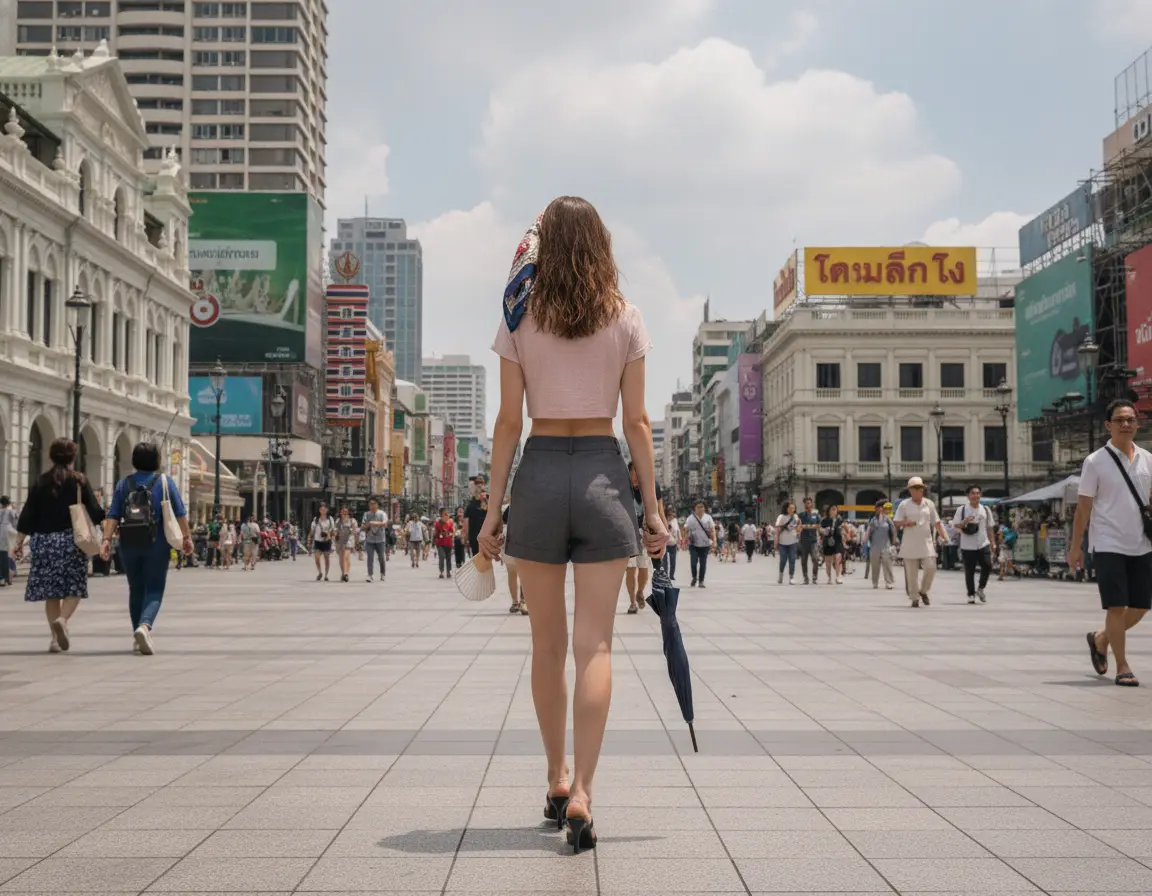
Nobody told me this before I went: Bangkok is the kind of city where one bad hotel location can eat half your trip. I learned that fast after a hot, sweaty first afternoon in 30°C weather, dragging my bag past a road that looked short on the map and felt endless in real life.
My answer is simple: I’d plan for 3 to 4 days in Bangkok for a first trip. That’s enough time to see the big-ticket stuff, eat well, recover from the heat, and still have one day that isn’t just transit and temple hopping. If you’re only connecting flights or passing through on the way to the islands, 2 days works. If you love food, malls, rooftop bars, and slow wandering, 5 days won’t feel too long.
Quick Answer: For most first trips, 4 days is the sweet spot in Bangkok. If you’re just stopping over, 2 days works. If you want to slow down and wander, 5 days is fine.
My take: 3 days is the minimum that feels fair.
Best fit: first-time visitors, solo travelers, and anyone who wants a real city break without rushing every meal.
Skip the longer stay if: you hate heat, taxis, and big-city chaos more than you enjoy good food and easy logistics.
What matters most: Bangkok rewards smart pacing. The city is huge, traffic is annoying, and the days go better when you stop trying to cram everything into one loop.
3 Days, 4 Days, or 5? Here’s the version I’d actually book

If I had to choose one number for most travelers, I’d pick 4 days. I stayed in Bangkok long enough to make one stupid location mistake, fix it, and then realize the city got much easier once I stopped treating it like a checklist. That extra day matters because Bangkok is not a place where every attraction takes 30 minutes and a cute walk between them. Distances are real. Heat is real. Traffic is even more real.
3 days: worth it if this is your first stop in Thailand and you want the main sights without burnout. I’d do one temple-heavy day, one food-and-neighborhood day, and one flexible day for shopping, a boat ride, or a rooftop sunset.
4 days: my pick for most people. It gives you space to slow down after the first day, which I needed more than I expected. I thought I’d be fine on caffeine and momentum. I wasn’t, and I ended up sitting in a 7-Eleven with an iced coffee for 40 minutes because I’d overplanned the morning.
5 days: only if you like cities enough to let them breathe. Bangkok starts to make more sense after you’ve figured out transit, neighborhood rhythms, and where to eat without overpaying. If you’re the kind of traveler who likes to wander, sit, and repeat a few good places, 5 days is fine. If you need constant novelty, I’d cut it to 3 or 4 and use the extra time somewhere else in Thailand.
Worth it: 4 days if this is your first Bangkok trip.
Skip the 5-day version if: you’re already itching to leave once the temples and markets are done.
My pick: 4 days, because it gives you one buffer day for weather, transit mess, or just being tired.
What I’d do with 3 days in Bangkok
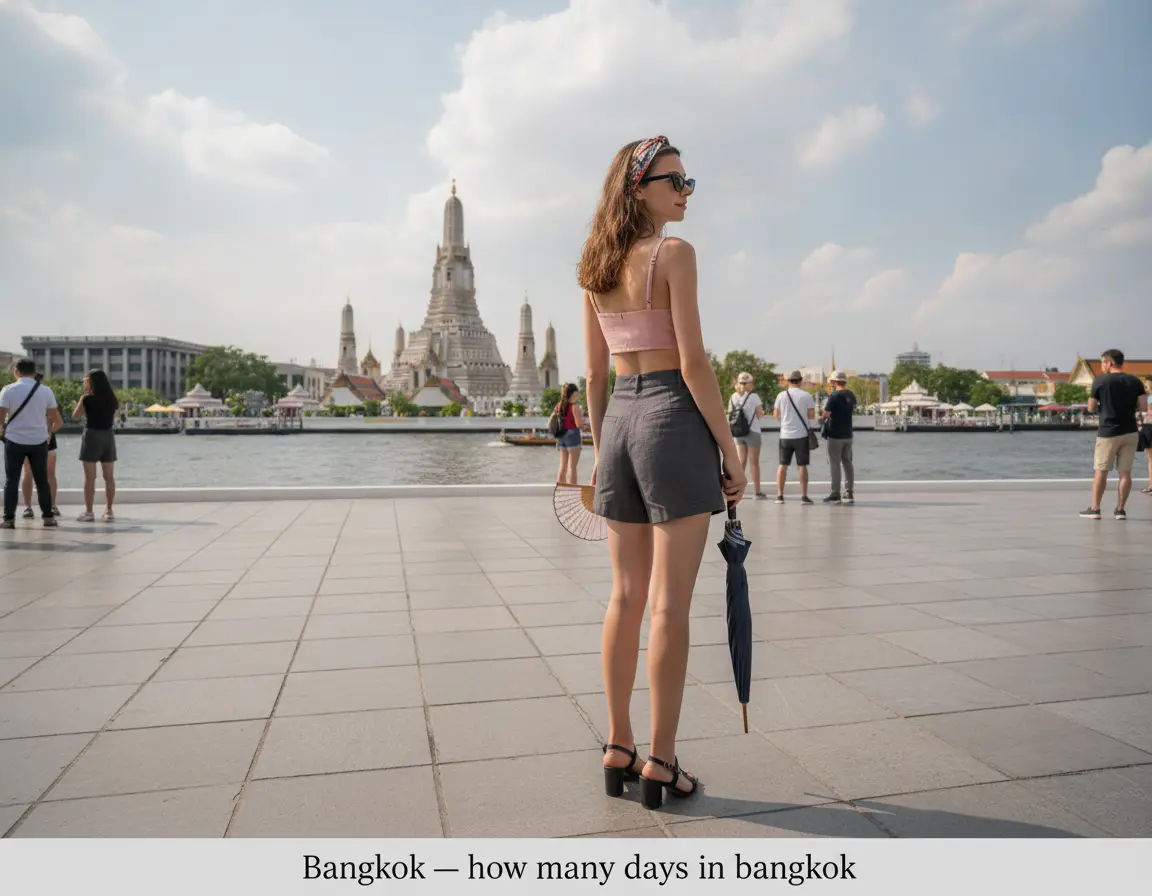
Three days is the lean version, and it works better than people think. I’d use it if Bangkok is a stopover city, not the main event. The trick is to stay near the transit you’ll actually use, not near the cheapest bed you can find. I made that mistake once and paid for it in taxis.
Here’s the short version I’d follow: one day for the Grand Palace area and Wat Pho, one day for Chinatown and river-adjacent wandering, one day for shopping or a food crawl around Sukhumvit or Ari. I’d skip trying to “do” all of Bangkok’s famous temples in one go. That just turns into hot pavement, temple fatigue, and a lot of photos that all blur together.
I paid 45 baht for the MRT and 17-54 baht for a few short boat or rail hops, and those small fares made more sense than sitting in traffic for 25 minutes in a Grab. That’s the part people underestimate. Bangkok is cheap in the wrong places if you keep choosing convenience badly.
Best for: travelers with limited time who still want the city to feel real.
Skip if: you’re hoping for a relaxed, no-rush trip with long café mornings every day.
My pick: 3 days only if your Thailand trip is tight or Bangkok is just a layover with benefits.
Why 4 days is the sweet spot for most people
Four days gave me enough slack to stop treating Bangkok like a museum crawl. I could do the big sights without feeling like I had to sprint from one place to the next. I also had room for one bad-weather hour, one bad food choice, and one lazy afternoon, which is honestly how real trips work.
The city gets easier once you stop trying to cross it too much. I stayed in a mid-range hotel near the BTS once and another time I was farther out, and the difference was ridiculous. The cheaper room saved me about $12 a night, but I lost that back in extra rides and wasted time. That math never works out for me anymore.
If I were booking again, I’d prioritize a place near the BTS or MRT over a slightly nicer room farther away. I’d rather pay $55-$85 a night for a practical base than $40 for a place that turns every dinner into a transport decision. The room itself matters less than the route home at 10:30 p.m. after a long day in the heat.
Worth it: paying a little more for a walkable transit base.
Skip if: you plan to spend all day on organized tours and only sleep in the hotel.
My pick: 4 days plus a central location. That combo gives Bangkok room to be useful instead of exhausting.
What I’d cut if you only have 2 days
Two days is tight, and I wouldn’t pretend otherwise. It’s enough for Bangkok if you’re in transit or you mainly want a taste before heading somewhere quieter. I’d cut shopping malls first unless you’re genuinely into them. I know that sounds rude, but the city has enough malls to eat a whole afternoon, and I never once felt like that was the best use of limited time.
If I only had 2 days, I’d do the Grand Palace and Wat Pho on one day, then Chinatown plus a river dinner or a simple evening market on the second. I would not spend one of those two days on a far-flung “local experience” that requires an hour in traffic and a guide holding a sign. I’ve done enough of those to know when I’m being sold atmosphere I can get on my own for less.
I expected the Grand Palace to be the one thing I’d rave about. It was fine, and yes, the detail is impressive, but the crowds and dress-code friction made it more effort than joy. I left after about 90 minutes. For a short trip, that’s probably enough. For a longer one, I’d still go once, but I wouldn’t build the whole trip around it.
Best for: short stopovers and first-timers who want the obvious highlights.
Skip if: you only have 2 days and hate moving around in heat.
My pick: temples plus food, not temples plus shopping plus a tuk-tuk “tour.”
Where to stay so Bangkok doesn’t waste your time
I’d stay near the BTS or MRT, full stop. That’s the decision that changes the trip the most. I learned it the hard way when I booked a place that looked cheap on the map and then realized I was too far from the train to make spontaneous plans easy. I saved about $9 a night and spent more than that on transport and annoyance.
See current Bangkok hotel prices on Agoda →
My best value zones are Sukhumvit, Siam, and parts of Silom if you want easy transit and lots of food nearby. Ari is calmer and a little more local-feeling, but it’s not as convenient if you want to bounce around the city fast. Khao San Road is only worth it if you want backpacker chaos and cheap drinks. I don’t. I’d rather sleep somewhere quieter and take a 30-minute Grab when I actually want to be there.
If you’re staying less than 5 days, I’d skip any hotel that looks cute but requires two transfers to reach. That kind of setup sounds fine until you’re sweaty, hungry, and trying to get back before rain starts. Bangkok’s afternoon showers don’t care about your mood.
See all Bangkok hotels on Agoda if you want to compare BTS- and MRT-friendly options before prices jump.
Worth it: paying more for train access.
Skip if: you’re chasing the cheapest room and don’t care about daily transit time.
My pick: Sukhumvit or Siam for a first Bangkok trip.
I wrote a more detailed breakdown in How To Get Around Bangkok — worth reading if you’re still deciding.
For a deeper look at how much does bangkok cost per day, I covered this in my How Much Does Bangkok Cost Per Day.
What I actually packed and what I’d change
Bangkok taught me to pack for heat, not fantasy weather. I wore linen shorts, a loose cotton shirt, sunglasses, and a wide-brimmed hat almost every day. I also carried a small umbrella because the rain showed up just enough to be annoying. One afternoon, it started pouring near a BTS station and I ducked into a coffee shop for 95 baht instead of trying to “push through” like an idiot. The umbrella was worth the tiny space it took.
I did not need anything fancy. I did need breathable clothes, a way to keep my phone charged, and a bottle of water most of the time. I bought a cold drink or coconut water whenever I felt myself getting cranky, which was more often than I’d like to admit. Bangkok in the heat can make a normal person weird fast.
Best for: light packing and quick-dry clothes.
Skip if: you think one nice outfit will carry you through the whole trip. It won’t.
My pick: pack one extra shirt and one small umbrella. The umbrella sounds boring until it saves your afternoon.
Things I’d skip because they’re not worth the money
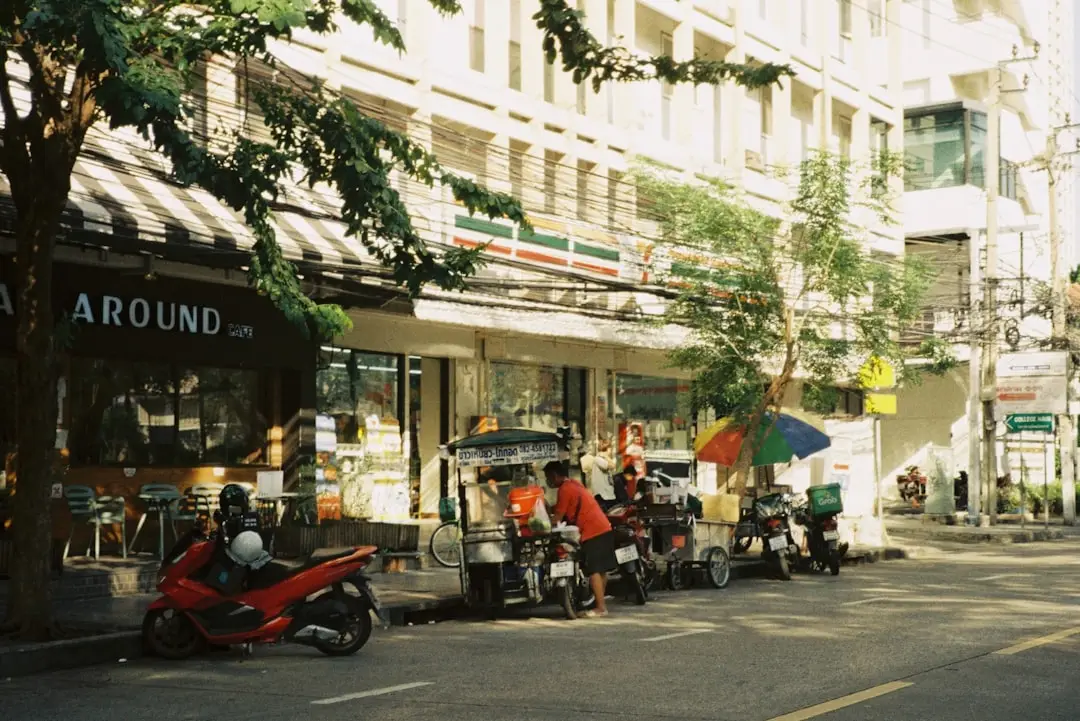
I’d skip hotel breakfasts almost every time in Bangkok. I’ve paid for a few out of laziness, and they were usually fine but forgettable. A good local breakfast or even a fruit stall plus coffee costs less and tastes better. I spent 120 baht on a simple breakfast of rice, egg, and coffee near my hotel once, and that was more satisfying than the buffet I ignored the next morning.
I’d also skip overpriced tuk-tuk “sightseeing” unless you specifically want the ride itself. The quote I got once was 400 baht for a short loop that would have been cheaper and less annoying by Grab or BTS. Fun for a photo? Maybe. Good value? Not really.
And I’d skip any “authentic local market tour” that starts with a van pickup and a fixed schedule. I’ve done those before. They usually cost more, move slower, and somehow leave less room for actually eating. Bangkok is easy enough to explore on your own that I don’t see the point unless there’s a very specific place you can’t reach independently.
Skip it: hotel breakfasts, unless your room rate includes it for free.
Skip it: tuk-tuks as transportation unless you’re paying for novelty, not efficiency.
My pick: street food, transit, and self-directed wandering over packaged “local” experiences.
What I’d book ahead, and what I’d leave for arrival
I’d book my first 1-2 nights in advance, especially if I was arriving late or after a long flight. Bangkok is not the city where I want to land tired and start comparing hotel reviews on my phone in the airport queue. I’ve done that, and it’s a bad use of brainpower.
For the rest, I’d book on the fly if my dates were flexible. Food, transit, and even a lot of activities can wait until you’re there. The one thing I’d lock in ahead is the room location, not a long list of plans. That’s the part that saves time and money. I’d rather arrive with a decent base than a packed schedule.
If you want a nicer hotel in a central area during peak season, check rates early. I watched one Sukhumvit property jump from about $62 to $84 a night over a few days when I was comparing options. That kind of rise is annoying, but common enough that I don’t trust last-minute confidence.
Worth it: booking the first nights and any well-rated central hotel early.
Skip if: you’re traveling in shoulder season and don’t care exactly where you sleep.
My pick: book the base, leave the rest loose.
Rough daily estimates from my own trip. Prices shift by season.
What I’d do differently next time
I’d stay one extra night in a better transit area instead of saving a few dollars on a worse location. I’d also leave one full afternoon empty on purpose. Bangkok punished my urge to overpack the schedule, and the best parts of the trip happened when I slowed down enough to eat, sit, and stop checking the clock.
I’d probably skip one big temple if I was already temple-fatigued. Not because they’re bad. Because one or two is enough before the heat and crowds start blending together.
Next time: I’d book 4 nights, not 3, and stay near the BTS from the start.
I usually book Bangkok tours on Klook — the best time slots go fast, especially in peak season.
FAQ
Is 2 days in Bangkok enough for a first visit?
Yes, 2 days is enough for a quick first look, but that’s all it is. I’d use it for the Grand Palace, Wat Pho, Chinatown, and one evening meal that doesn’t involve a hotel buffet. If your trip is longer than that, I’d add at least one more night.
Should I stay longer in Bangkok or use it as a stopover?
I’d stay longer if you enjoy food, shopping, and easy city wandering. If you mainly want beaches, islands, or quieter towns, Bangkok works better as a 1- to 2-night stop. I’ve done both, and the city feels much better when I’m not rushing straight back to the airport.
Is Bangkok worth 5 days, or does it get too much?
Yes, 5 days is worth it if you like big cities and want to move slowly. The extra time lets you split the day around heat, rain, and traffic instead of forcing everything into one long loop. I’d only cut it shorter if you already know Bangkok isn’t your style.
How far in advance should I book a hotel there?
I’d book at least the first 1-2 nights before I arrive, especially if I’m landing late. Central places near the BTS or MRT can get pricier fast, and I’ve seen rates jump by $20 or more in a short window. After that, I’m happy to stay flexible if my schedule is open.
What’s the one thing I shouldn’t skip in Bangkok?
I wouldn’t skip staying near transit. That decision saves more time and energy than picking a slightly nicer room with a worse location. I learned that after paying for extra rides and wasting too much of a hot afternoon on transport.
 Emma Hayes