

I almost got my first Bangkok day wrong before I even left the airport. I landed in hot, sticky weather, made the mistake of wearing jeans, and spent the first hour paying too much for a ride because I was too tired to think clearly. After that, I stopped trying to “see everything” and built a trip around transit, food, and not wasting time in lines.
My answer is simple: three days in Bangkok is enough for a real first look, but only if I keep it tight. I’d use this bangkok itinerary 3 days plan for a first-time visitor who wants temples, street food, a river evening, and one neighborhood that actually feels lived in. I would not use three days on long guided tours or shopping-mall wandering. The real decision is how much time I want to burn in traffic versus how much of the city I actually want to enjoy.
Quick Answer: Day 1 for the Grand Palace, Wat Pho, and Wat Arun; Day 2 for Wat Saket, Chinatown, and Jodd Fairs; Day 3 for Ari or Bang Rak, Jim Thompson House, and one last river or rooftop stop. My rough total for three days: about $180-$320 before shopping.
Day by Day
- Day 1 is for riverside Bangkok, temples, and getting my bearings.
- Day 2 is for old-city temples, lunch near Chinatown, and a proper night market.
- Day 3 is for a neighborhood day in Ari or Bang Rak, plus one last night out by the river or on a rooftop.
- My rough total for three days: about $180-$320 before shopping, depending on where I sleep and how many taxis I take.
Day 1: Riverside Bangkok and the first temple cluster

I’d start slow on purpose. Bangkok punishes overplanning in the heat, and by late morning the sidewalks start feeling like a bad idea. My first day here is about getting oriented without turning it into a marathon.
8:30 a.m. — Breakfast near your hotel, not a hotel breakfast
I skip hotel breakfasts in Bangkok because they’re usually overpriced and weirdly average. I’d grab something local instead: a pork rice bowl, a Thai iced coffee, or congee from a nearby shop. I paid about 60-90 baht for breakfast in Silom and that was enough to keep me going for hours.
9:30 a.m. — Taxi or Grab to the Grand Palace area
From Sukhumvit or Silom, a Grab to the Grand Palace usually takes 20-35 minutes depending on traffic and costs roughly 120-220 baht. I’d take a car here instead of trying to be clever with the train, because the transfer stress isn’t worth it on day one. The temptation is to “save” 60 baht and lose an hour. That math never works out.
10:00 a.m. to 12:00 p.m. — Grand Palace and Wat Phra Kaew
I’m not going to pretend this is a quiet, meditative stop. It’s busy, formal, and packed with people who all had the same idea. Still, it’s worth it once. I paid 500 baht for entry, spent about 90 minutes inside, and the best part was honestly the scale of it all rather than any single room. Skip if you hate crowds or you’ve already seen a lot of royal temple architecture in Asia. Worth it if this is your first Bangkok trip and you want the big-ticket version of the city.
12:15 p.m. — Walk or short ferry to Wat Pho
Wat Pho is close enough that I’d walk if I’m not melting. In the heat, I’d rather take a short taxi or a ferry hop if I’m already near the river. From the Grand Palace area, it’s about 10-15 minutes on foot, or a very short ride if I’m being lazy. Entry was 300 baht when I went, and I spent around an hour there. The Reclining Buddha is famous, yes, but I actually liked the quieter corners more than I expected. I thought this stop would feel like a photo checklist. It didn’t. It felt calmer than the Grand Palace, and that’s the point.
1:30 p.m. — Lunch in Tha Tien or across the river
I’d eat near the temple area instead of dragging myself across town for a “best noodles in Bangkok” claim from the internet. I had a simple pad kra pao and iced tea near Tha Tien for under 100 baht, and that was the right call. It was fast, cheap, and I didn’t waste energy hunting for a scenic lunch that would have tasted the same anywhere else.
3:00 p.m. — Ferry to Wat Arun
The cross-river ferry from Tha Tien to Wat Arun costs around 5 baht and takes maybe 2 minutes. That’s one of the cheapest, least annoying rides in the city. Wat Arun entry is usually around 200 baht. I’d go in the late afternoon if the sun isn’t brutal, because the white stone gets hard to enjoy when you’re already sweaty. Best for: a first day that feels iconic without being exhausting. Skip if you’re already temple-ed out or short on energy after the flight.
5:00 p.m. — Sunset drinks or river dinner
I’d head back toward the river for dinner rather than forcing another neighborhood into the day. A simple boat or Grab back to the hotel area takes 20-40 minutes and costs roughly 100-250 baht depending on traffic. I ate grilled chicken and rice near River City one night and paid about 120 baht; nothing fancy, but it solved the exact problem I had, which was being too tired to make a complicated choice. If I wanted one nicer meal, this is where I’d spend it. If I didn’t, I’d keep it cheap and call it a win.
Day 1 running total: about $20-$45 depending on transport and whether I climb into the pricier temple and dinner range.
Skip if short on time: Wat Arun is the easiest cut. I’d keep Grand Palace and Wat Pho first, then save the river crossing for another day.
Day 2: Old Bangkok, Chinatown, and a night market that’s actually worth the taxi
I’d use day two to lean into the parts of Bangkok that feel a little messier and more alive. This is where the city stops being a checklist and starts being useful. Also, this is the day I’d plan around food instead of pretending I’m above it.
8:30 a.m. — MRT or taxi to Pak Khlong Talat and nearby temples
If I’m staying near a train line, I’d use the MRT or a quick taxi to get near the flower market area. The ride from Silom to the old city is usually 15-25 minutes by car and around 35-45 baht on the MRT depending on the route. I wouldn’t come here for the flower market alone. The real reason is that it puts me close to several good stops without a long dead zone between them.
9:00 a.m. — Pak Khlong Talat, then a short walk to Wat Saket
The flower market is fine, not life-changing. I spent about 20 minutes there and bought a small bottle of water because the heat was already climbing. Skip it if you only care about the big sights. Worth it if you like seeing a city move before the tourists fully wake up. Then I’d take a Grab or tuk-tuk for about 10-15 minutes to Wat Saket, also called the Golden Mount. Entry is usually around 100 baht, and the climb is easy enough if I’m wearing sandals and not carrying half my life.
11:00 a.m. — Wat Saket and a coffee break
I expected Wat Saket to be a quick stop. I was wrong. I ended up staying longer than planned because the view over old Bangkok was better than I thought, and I needed the break before lunch. I bought an iced coffee nearby for around 60 baht and sat for 15 minutes just to cool off. That pause mattered more than the temple itself, honestly.
12:30 p.m. — Lunch in Chinatown
I’d go to Yaowarat for lunch, but not for the neon-night version people post online. Daytime Chinatown is easier, less chaotic, and more useful if I want actual food instead of a photo. I had crispy pork over rice for about 90 baht and a cold drink for 30 baht. From Wat Saket, it’s about a 10-15 minute Grab or tuk-tuk ride. I don’t bother trying to walk that in the heat unless I’m feeling unusually stubborn.
2:00 p.m. — Skip if short on time: Museum of Siam or a café break
If I still have energy, I’d add the Museum of Siam. If I’m honest, I’d only do it if I want an air-conditioned hour and a better understanding of the city’s history. Otherwise I’d find a café, sit down, and stop pretending my feet are fine. I paid 120 baht for a coffee and a cold seat in a café near Chinatown once, and it was one of the better purchases of the trip.
4:30 p.m. — Train or Grab to Jodd Fairs or another night market
I’d choose Jodd Fairs if I want a cleaner, easier night market setup, even if it’s not the most local-feeling option. From central Bangkok, a Grab usually takes 20-30 minutes and costs about 100-180 baht. I know people love to romanticize “authentic” markets, but some of them are just hot, crowded, and full of the same three snacks at higher prices. Jodd Fairs is still touristy, but it works. I paid about 70 baht for mango sticky rice and another 100 baht for grilled squid and didn’t feel ripped off. That’s rare enough in Bangkok to count.
7:00 p.m. — Dinner at the market, then back to the hotel
I’d keep dinner simple here. Eat, walk once around, then leave before the place turns into a standing-room-only problem. If I’m going to do a market, I want snacks and speed, not a half-hour queue for fried chicken that tastes exactly like fried chicken somewhere else. Worth it if you want one easy, low-effort evening. Skip if you hate crowds or you already did a market-heavy night in another city.
Day 2 running total: about $25-$50, mostly depending on temple entries, taxis, and how many snacks I buy.
Skip if short on time: the Museum of Siam and the flower market are the first things I’d cut. Keep Wat Saket, lunch in Chinatown, and one market at night.
Day 3: A neighborhood day that feels like real Bangkok
This is the day that makes the whole trip feel less tourist-shaped. I’d spend it in a neighborhood where I can walk, eat, and not feel like I’m racing a map. My pick is Ari if I want cafés and a quieter pace, or Bang Rak if I want better food and an easy river finish. I’d probably choose Bang Rak again because it links better with the rest of the trip.
9:00 a.m. — Slow breakfast in Ari or Bang Rak
I’d start with something simple: eggs, toast, Thai coffee, or rice soup. In Ari, I paid about 95 baht for breakfast at a tiny café and sat for almost an hour because I was trying to cool down after walking there in 32°C heat. That kind of unhurried start matters on day three. It gives the city a chance to feel local instead of just efficient.
10:30 a.m. — Walk, shop a little, then pick one temple or one museum
I would not try to cram four “cute” stops into this morning. Pick one. If I’m in Bang Rak, I’d do the Bangkokian Museum only if I’m already nearby and want a quiet hour. If I’m in Ari, I’d mostly wander between side streets, a bookstore, and a café or two. Best for: travelers who want to see Bangkok beyond the palace-and-temple loop. Skip if you only care about headline sights and don’t like slower days.
12:30 p.m. — Lunch that’s actually worth the stop
For lunch, I’d go where the neighborhood is strongest. In Bang Rak, that means a noodle shop or a grilled fish place near the BTS. In Ari, I’d do a Thai lunch set or a simple curry cafe. I’m not precious about this part. I paid 110 baht for a plate of pad see ew in Bang Rak and it was better than a lot of more expensive meals I’ve had in fancier-looking places. That’s the kind of value I’m looking for.
2:00 p.m. — BTS or Grab to Jim Thompson House, only if you want one last cultural stop
From Ari or Bang Rak, the BTS plus a short walk or Grab gets me there in about 20-30 minutes. Jim Thompson House usually costs around 200 baht, and I’d keep it to about an hour. I thought this would be one of those overhyped city stops people recommend because they feel they should. It wasn’t. It’s tidy, focused, and a good break from the street-level chaos. Still, I wouldn’t make it the centerpiece of the day. It’s worth it if you like design and a quieter indoor stop. Skip if you’re tired of paying for museums after two temple days.
4:30 p.m. — Last river loop or rooftop drink
For the final afternoon, I’d choose one last viewpoint, not three. A Grab to a riverfront bar or a quick BTS ride to a rooftop near Silom is enough. I once paid 280 baht for a drink with a view and stayed for 90 minutes because I needed to sit down more than I needed the cocktail. That was worth it once. I wouldn’t do it every night. If I had to choose between a rooftop and a riverside dinner, I’d pick the river dinner because it feels less staged and costs less.
6:30 p.m. — Final dinner and a short night walk
I’d end with something easy near my hotel or near the river. This is not the night to book a big tasting menu unless that’s already the trip’s main event. Bangkok rewards a simple finish: one good meal, a short walk, and a taxi back before I’m too tired to function. My last dinner was a plate of crab fried rice for about 180 baht, and it hit the exact right level of satisfying without trying too hard.
Day 3 running total: about $30-$60, depending on whether I add Jim Thompson House and a drink with a view.
Skip if short on time: the rooftop drink. I’d cut that before I cut the neighborhood lunch or the one cultural stop.
Cost Breakdown
Rough daily estimates from my own trip. Prices shift by season.
If bangkok worth visiting matters to your trip, my Is Bangkok Worth Visiting has the specifics.
If how many days matters to your trip, my How Many Days In Bangkok has the specifics.
I wrote a more detailed breakdown in Bangkok Mistakes First Time Visitors — worth reading if you’re still deciding.
I compared the options in Best Time To Visit Bangkok — useful if you haven’t booked yet.
For a deeper look at neighborhoods, I covered this in my Best Neighborhoods In Bangkok.
If bangkok or chiang mai for first timers matters to your trip, my Bangkok Or Chiang Mai For First Timers has the specifics.
Transport Tips
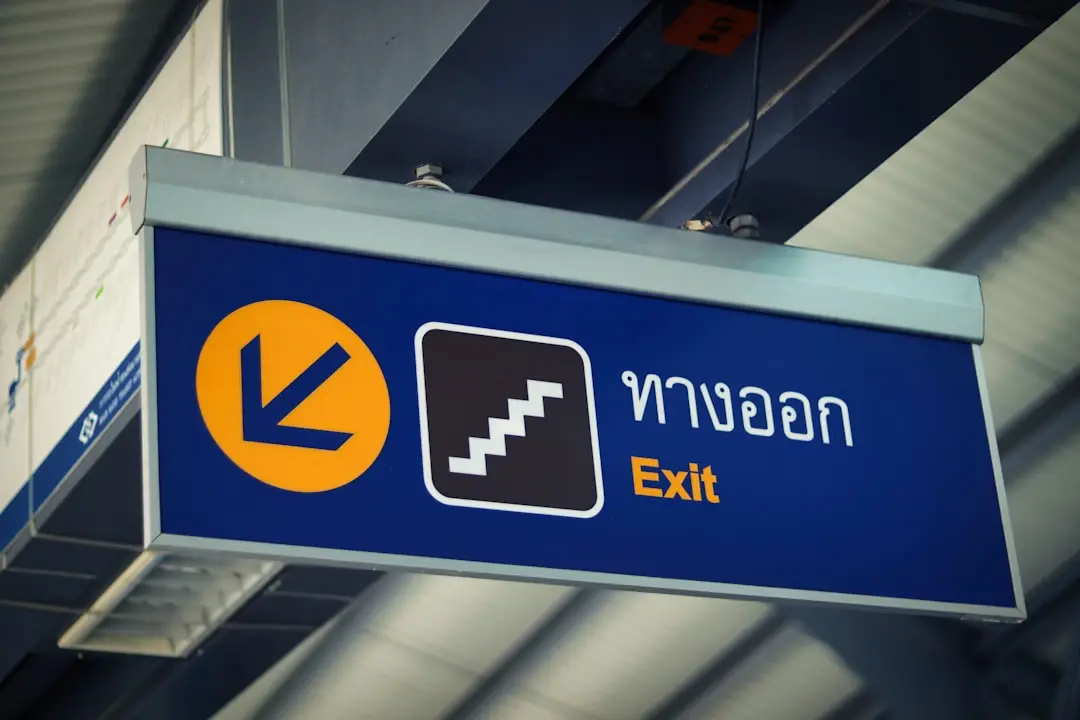
I’d build Bangkok around BTS, MRT, short Grab rides, and the river ferry. Anything else can get annoying fast. The city is not hard to navigate, but it does punish vague planning. I learned that the expensive way when I tried to combine a temple, lunch, and a café across three different districts and ended up spending almost 90 minutes in traffic for what should have been a 20-minute gap.
Best transport choices:
- BTS Skytrain: best for Sukhumvit, Silom, Ari, and anything near a station. Fares are usually around 16-59 baht.
- MRT: useful for Chinatown-adjacent stops, old-city connections, and avoiding road traffic. Fares are similar, and it’s often faster than a taxi at rush hour.
- Grab: worth it for temple hopping or when the heat starts winning. A lot of my short city rides landed between 70 and 180 baht.
- River ferry: cheap, fast, and better than sitting in traffic when you’re near the river. I’d use it more than tuk-tuks, frankly.
My pick: BTS or MRT for anything planned, Grab for awkward connections, ferry for the riverside cluster.
Skip if: you’re trying to optimize for absolute cheapest possible trip and don’t mind extra walking in heat.
I’d avoid tuk-tuks unless I’m doing it once for the experience. They’re fun for about five minutes and then the price starts feeling silly. If a driver quotes me 300 baht for a short hop that should cost 100-150 in a Grab, I’m out.
See all Bangkok hotels on Agoda if you want to compare station access before prices creep up.
Where I’d stay for a 3-day Bangkok itinerary
I’d stay near the BTS or MRT, not in some random “cheap” area that adds 30 minutes to every day. Bangkok is one of those cities where a slightly better location saves more than it costs. I’d rather pay $10 more per night and stop thinking about transport every hour.
For Bangkok I used Agoda — they had the best rate for my dates.
Where I’d Actually Stay in Bangkok
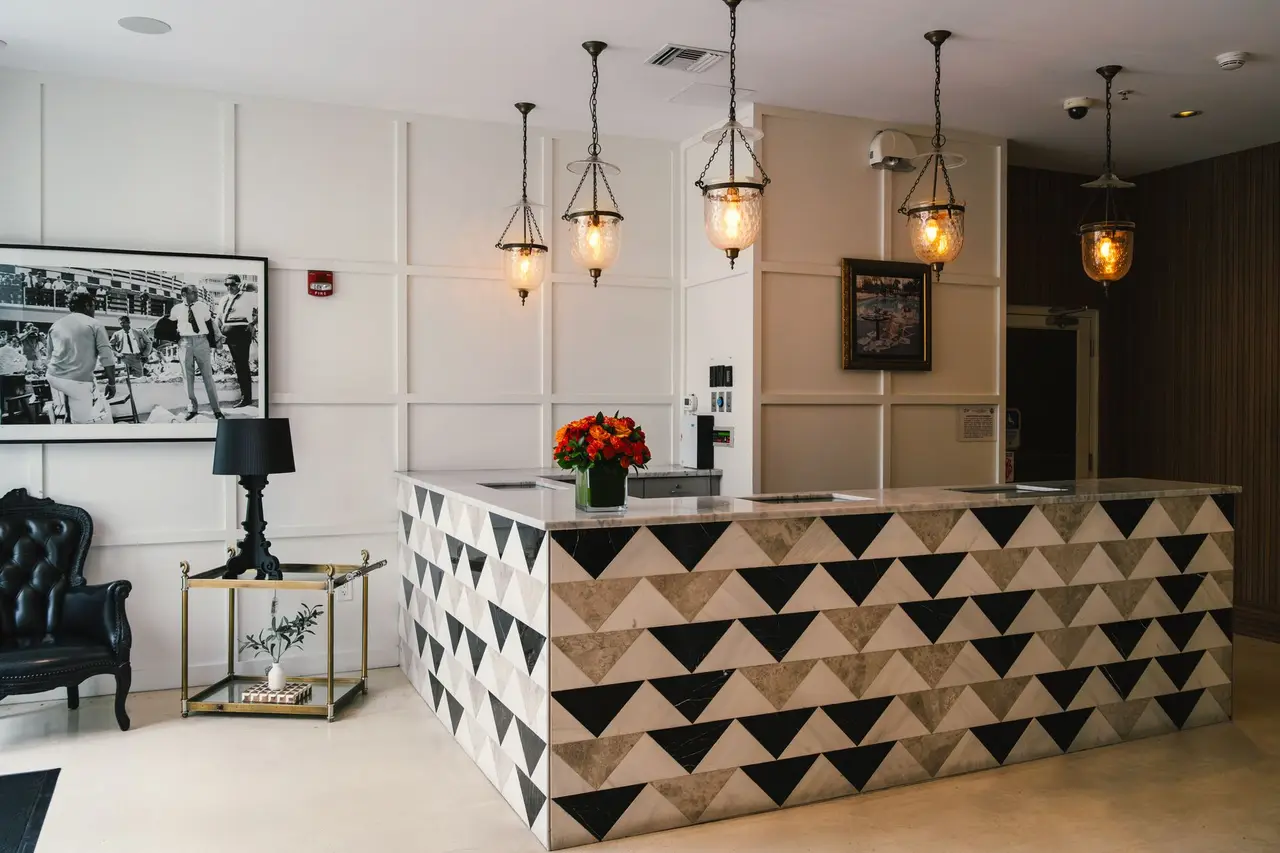
Manhattan Hotel
Bangkok
★★★★☆
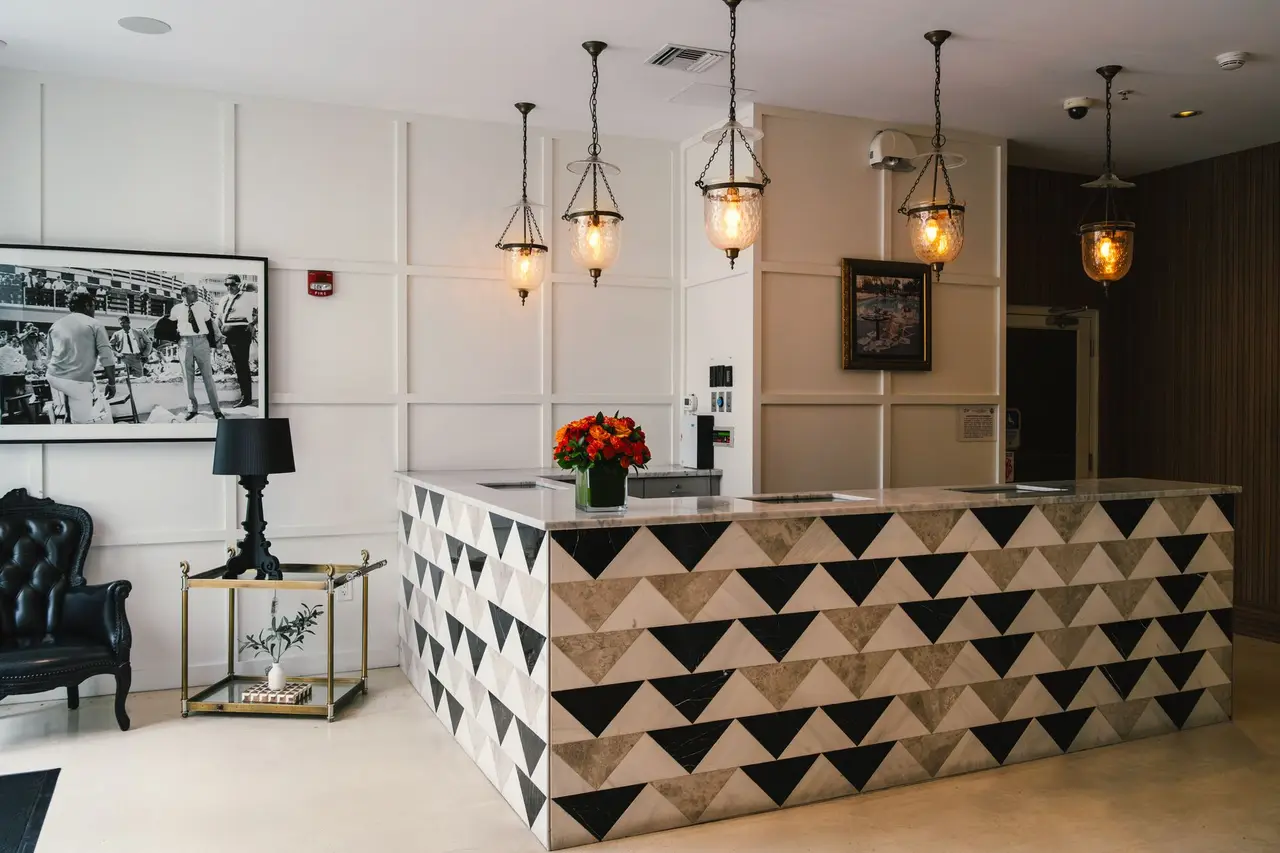
Elizabeth Hotel
Bangkok
★★★★☆
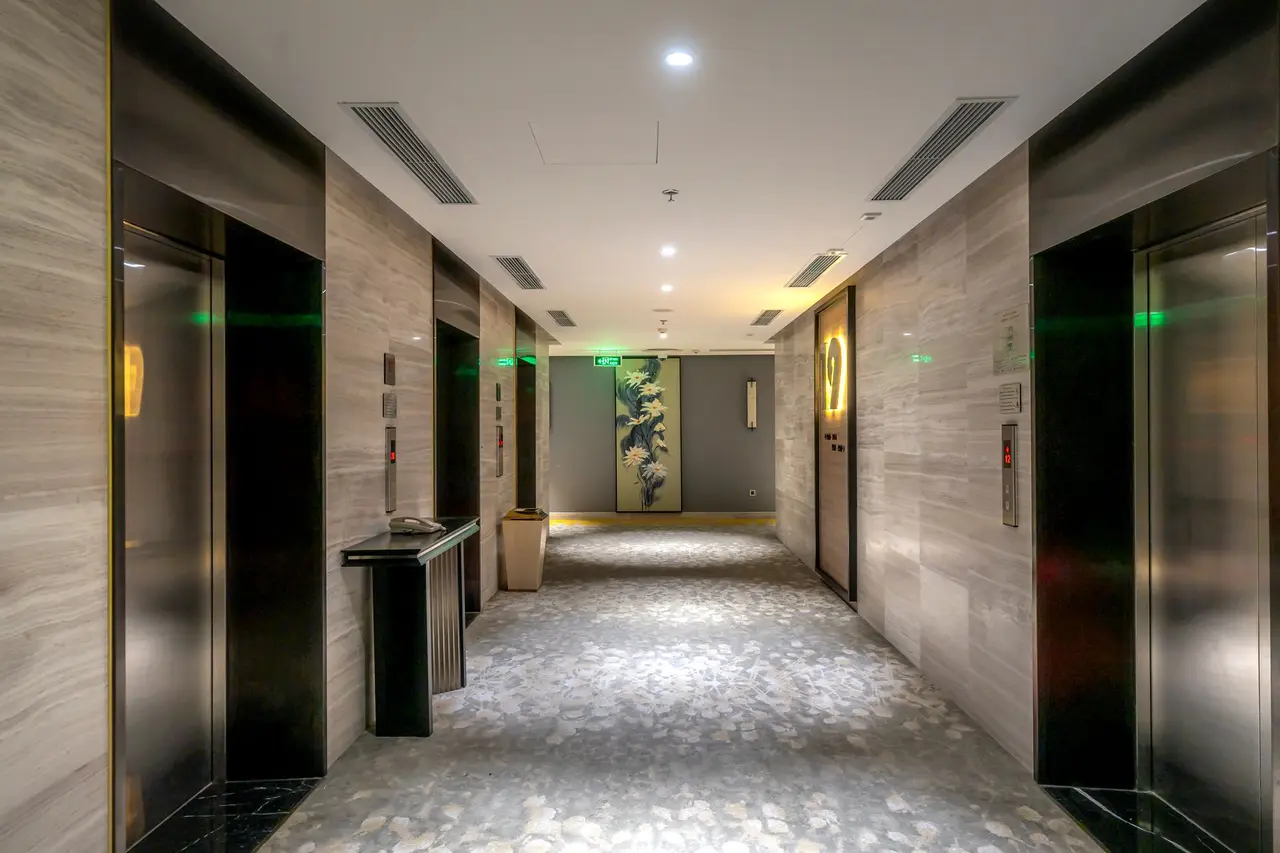
Buddy Lodge Hotel
Bangkok
★★★★☆
Best base areas:
- Silom: best all-around for transit, food, and getting to the river. It’s not pretty in a romantic sense, but it works.
- Sukhumvit: best if I want easy BTS access and lots of food options. It can feel busy and a bit stretched out.
- Bang Rak: my pick for a shorter trip because it’s close to the river, food, and central transit without feeling too hectic.
- Ari: better if I want a slower neighborhood feel and don’t mind being a bit less central.
I once booked a cheaper hotel deeper in Sukhumvit because the reviews looked fine and the price was about $18 less per night. Then I realized I was adding 25-35 minutes to every temple day and paying more in taxis anyway. I wouldn’t do that again. Location beat savings, and it wasn’t close.
Worth it if: you’re only in Bangkok for 3 days and don’t want to waste time commuting.
Skip if: you’re planning to stay out late every night and don’t care how long it takes to get home.
Prices near the BTS and river can jump quickly in high season, so I’d compare rates before I commit. I book through Agoda when I want to compare the station-to-price tradeoff without guessing.
What I’d do differently next time
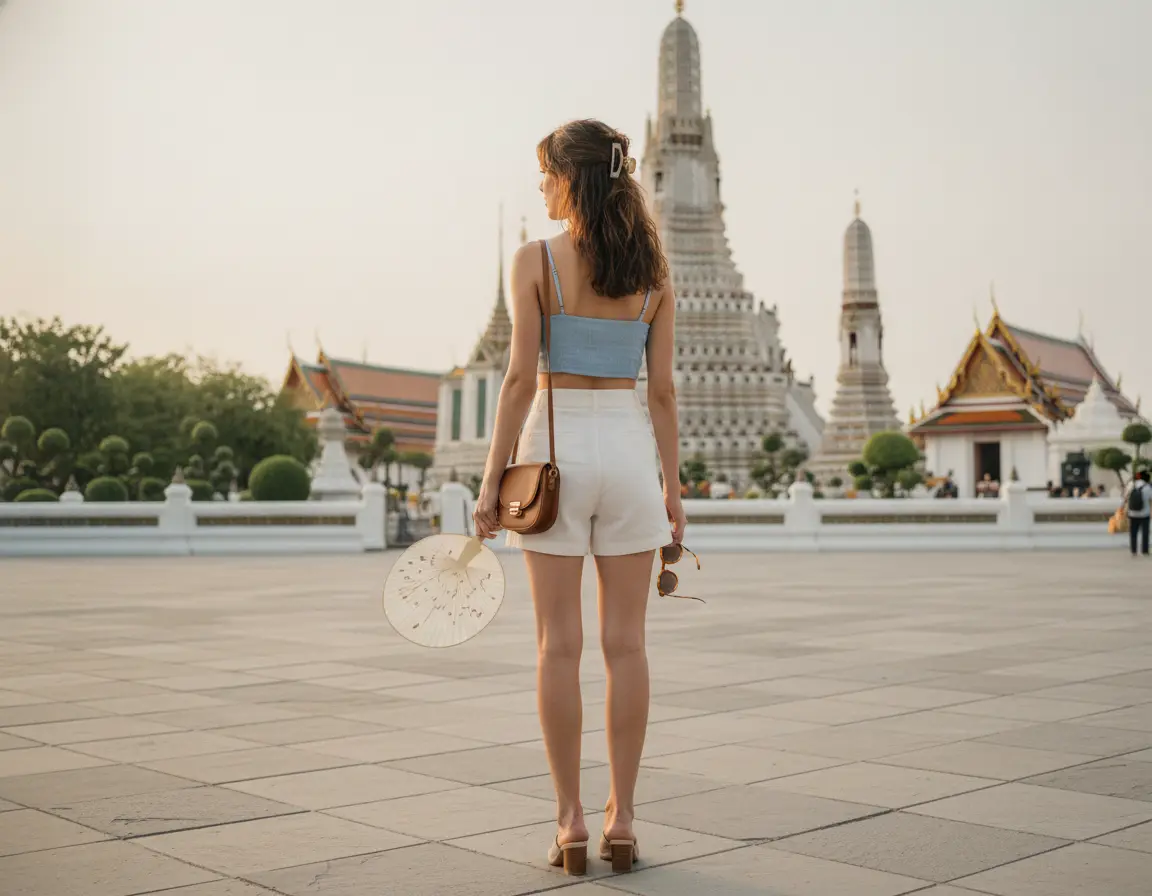
I’d wear lighter clothes from the start. I knew Bangkok would be hot, but I still underestimated how quickly jeans and heavy shoes turn into a problem. Linen shorts and sandals would have saved me a lot of irritation.
I’d also skip one rooftop stop and use that hour for a better meal. I like a view fine, but Bangkok has enough places where the food is better than the atmosphere. I’d rather spend 180 baht on a meal I remember than 280 baht on a drink I finished because I was thirsty.
And I’d plan one fewer “maybe” stop. The city rewards a looser pace, but not an aimless one. Three days goes fast here. If I add too much, I lose the whole shape of the trip.
I pre-booked on Klook the night before — skipped the entire ticket line.
FAQ
Is three days enough for Bangkok?
Yes, three days is enough for a solid first trip if I keep the plan focused. I’d use that time for the Grand Palace area, Chinatown, and one neighborhood day instead of trying to cover every famous corner. If someone wants deeper museum time or more nightlife, I’d add a fourth day.
Should I stay near the river or near the BTS?
I’d stay near the BTS for a first Bangkok trip because it makes the whole city easier. The river is nicer for atmosphere, but the train wins on day-to-day convenience, especially if I’m hopping between temples and neighborhoods. If I only had 3 days, I’d choose access over scenery.
Which day would you cut if I only had two days?
I’d cut Day 3 first. The neighborhood day is the most flexible part of the itinerary, and the temple-river day plus Chinatown gives me the strongest Bangkok basics fast. If I had to trim more, I’d skip Wat Arun before I’d skip Wat Pho.
Are tuk-tuks worth using in Bangkok?
No, not as a regular transport choice. I’d use one once if I wanted the experience, but Grab or the BTS is usually cheaper and less annoying. The only time I’d pick a tuk-tuk again is for a very short hop when I already know the price and don’t care about comfort.
What should I eat if I only try a few things?
I’d start with pad kra pao, crispy pork rice, mango sticky rice, and one proper noodle bowl. Those are easy to find, usually cost 60-180 baht, and tell me more about Bangkok than chasing one famous restaurant ever would. I’d skip long food queues unless I already know the place is special.
 Emma Hayes