

I thought Bangkok would be worth it. it wasn’t, at least not in the soft-focus way people sell it online. My first afternoon was 33°C, humid enough to glue my shirt to my back, and I still ended up liking the city more than I expected because it kept being useful in ways beach towns and prettier cities usually aren’t. If you’re asking is Bangkok worth visiting, my answer is yes — but for practical reasons, not postcard ones.
I’d choose Bangkok because the city gives you more for your money when you’re moving fast, eating well, and trying to get somewhere else without wasting a day. Choose Chiang Mai only if you want a slower base with less transit friction and you care more about cafes, temples, and easy mornings than raw city energy.
Best for: travelers who want cheap food, easy transit, late-night options, and a city that works hard.
Skip if: you want a calm first stop, short walks everywhere, or a trip where you never have to think about traffic.
My pick: Bangkok first, then somewhere slower if you have time.
Quick answer: Yes, Bangkok is worth visiting if you want a real city experience, cheap food, and strong transit. I’d pick it over Chiang Mai for a first stop, especially if you only have 2-3 days.
Why Bangkok wins for a first stop
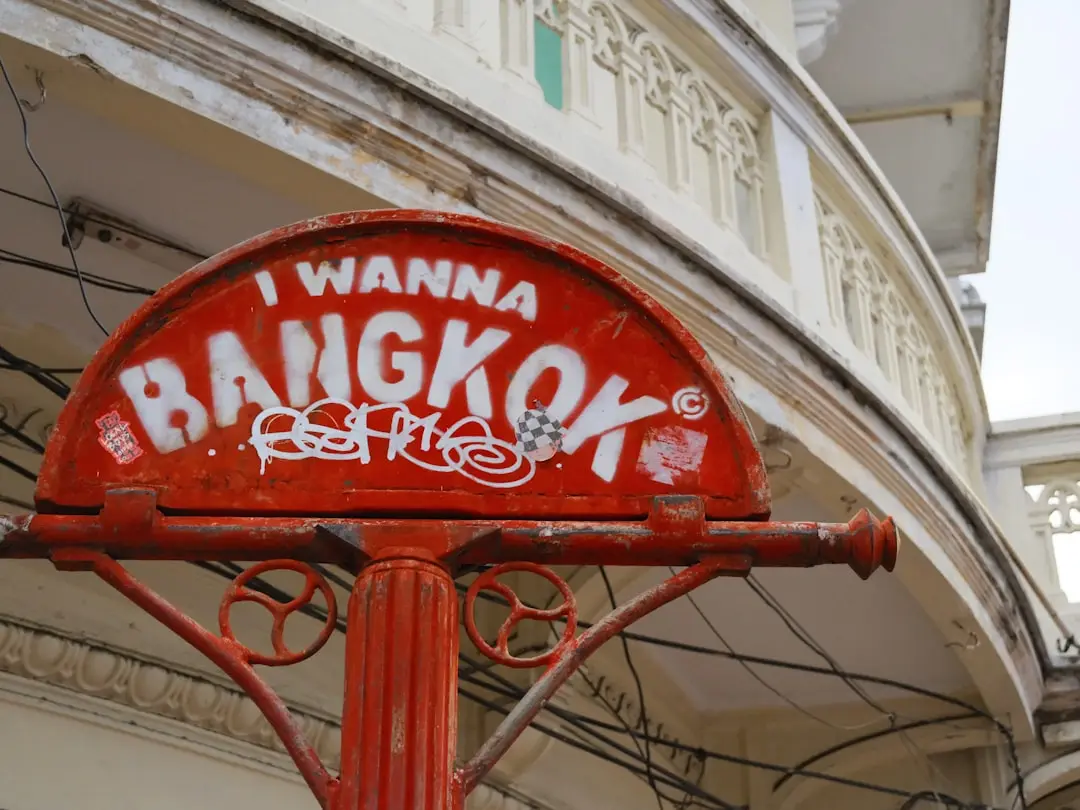
Bangkok is not the city I’d call charming first. It’s hot, busy, and sometimes annoying. But I paid 60 THB for a bowl of boat noodles in Ari, took a 17 THB ride on the MRT, and got from an airport-adjacent hotel to a central neighborhood faster than I expected. That kind of efficiency changes how much city you can actually use in a day.
That’s why Bangkok is worth visiting if you want a real Southeast Asia city experience instead of a polished resort stop. The transit is not perfect, and you will feel the heat. But the tradeoff is strong food, low day-to-day costs, and enough neighborhoods to keep the trip moving. I’d take that over a slower base if this is your first stop and you only have 2 or 3 days.
Chiang Mai works better when you want to slow down. A beach base works better when the point is to do less. Bangkok is the one I’d choose when I want to get around, eat well, and still feel like I saw something with weight. It rewards momentum. It does not reward lingering on the idea of a perfect, easy city that doesn’t really exist here.
The case for Bangkok: it works hard for the traveler who pays attention

I went into Bangkok expecting to treat it like a transit stop. I figured I’d sleep one night, eat pad kra pao, and move on. Instead, I kept finding reasons to stay put because the city keeps offering small wins if you’re not trying to turn it into a postcard.
My favorite version of Bangkok is not the one people spend half a day queueing for. It’s the version where I hop off the BTS at Phrom Phong, eat at a mall food court when the rain starts, and then grab mango sticky rice for 60-80 THB from a stall that doesn’t care if I take a photo. That was the rhythm that made sense to me. Fast, cheap, no drama.
The food is the obvious win, but I don’t think that’s the whole story. Bangkok is also one of the few big cities where I can eat well without accidentally paying tourist pricing every single meal. A good plate of pad kra pao with rice often runs 50-80 THB in local spots. A proper bowl of noodles can be 60-100 THB. I spent about 250-350 THB on food on a normal day without trying to be stingy, and I never felt like I was eating scraps.
Transit matters too. The BTS and MRT are not poetic, but they’re useful. A ride usually lands around 17-47 THB depending on distance, and that beats sitting in a taxi while the meter crawls through traffic. I took a Grab once when I was sweaty and tired and paid around 180 THB for a ride that would have been annoying by rail. Worth it in that moment. The city rewards that kind of judgment.
Best for: travelers who like cities that give back the more practical you are.
Worth it if: you want food, transit, and late-night convenience without luxury prices.
My pick: Bangkok beats a prettier, slower city when your trip has a lot of moving parts.
Chiang Mai is the better alternative if you want a gentler trip
Choose Chiang Mai only if your ideal day starts slowly and ends early. I’m not pretending Bangkok can’t do cafes, temples, or nice hotels. It can. But Chiang Mai does that version with less friction, and that matters if your trip is short or you get tired easily.
I stayed in Chiang Mai after Bangkok on a different trip, and the contrast was immediate. I paid less for a room, walked more, and spent fewer minutes negotiating transport. In Bangkok, even a short hop can turn into a 25-minute wait if you time it badly. In Chiang Mai, I could leave my guesthouse, get coffee, and be at a temple before I’d even opened the Grab app in Bangkok.
That’s the real tradeoff. Bangkok gives you more range, but Chiang Mai gives you more breathing room. If you’re a first-time solo traveler, or you hate arriving sweaty and already behind schedule, Chiang Mai is easier on your brain. Bangkok can be a lot on day one. I say that as someone who likes being busy.
I also think people overstate how “local” a lot of Bangkok can feel if you stay in the wrong area. Some neighborhoods are great, but some are just expensive versions of the same hotel-and-mall loop you could get anywhere. Chiang Mai is less polished, sometimes less exciting, but it’s easier to understand without trying so hard. That’s not a small thing.
Best for: slower travelers, cafe people, and anyone who wants a softer landing in Thailand.
Skip if: you want the biggest food range, the best transit, or a city that stays useful late at night.
My pick: Chiang Mai is the better second stop, not the better first stop for most people.
Cost breakdown

I spent about $35-$55 a day on a comfortable budget trip there, not counting a nicer hotel splurge. That covered food, transit, coffee, and the occasional Grab ride when I was done pretending the heat wasn’t winning.
Rough daily estimates from my own trip. Prices shift by season.
My hotel math was straightforward. A basic but decent room near a BTS station usually sat around $35-$55 when I looked, while a nicer midrange place could jump to $70-$90 fast. I checked rates in Sukhumvit and Silom more than once, and the difference between “close to transit” and “cheap but annoying” was often only $10-$15 a night. That’s not a huge gap when you’re saving 40 minutes a day.
Chiang Mai can be cheaper on lodging, sometimes by $10-$20 a night for a similar room, but Bangkok often wins back that difference with transit and food value. The time cost is where Bangkok gets tricky. A cross-city ride can take 35-60 minutes once traffic gets involved. I learned that the hard way when I left late for a dinner reservation and watched a 20-minute ride stretch into almost an hour. Annoying, but not shocking.
Money-wise, Bangkok is still the better deal if you’re comparing total trip value. Time-wise, Chiang Mai is easier. Energy-wise, Bangkok asks more of you. That’s the line that matters. If your trip budget is tight and you still want to eat well, Bangkok gives you more room. If you’re already tired from a long-haul flight, Chiang Mai is kinder.
Best for: budget travelers who still want comfort and variety.
Worth it if: you care more about value per day than about a quiet schedule.
My pick: Bangkok is the better spend when you’ll actually use the city.
See all Bangkok hotels on Agoda if you want to compare rooms near the BTS before weekend dates.
I wrote a more detailed breakdown in Suvarnabhumi Airport To Bangkok — worth reading if you’re still deciding.
The part nobody sells well: Bangkok’s rhythm is useful, but not relaxing
I expected Bangkok to feel chaotic in a fun way. Sometimes it did. More often, it felt efficient in a slightly exhausting way. That’s not a complaint, exactly. It’s just the truth. The city works best when you accept that you will sweat, wait, and reroute at least once a day.
The weather shaped everything for me. One morning I left my hotel in a cotton shirt and still felt overdressed by 9 a.m. The sidewalks were damp from recent rain, the air sat heavy, and my umbrella spent more time in my hand than inside my bag. Bangkok in heat like that is not a “wander all day” city unless you enjoy changing shirts. I don’t.
What I liked, weirdly, was how much the city lets you build your own day. I could start in a temple area, break for a cheap lunch, hide in a mall during the worst heat, then head to a rooftop bar or night market later. That flexibility is the point. Bangkok isn’t trying to give you one tidy experience. It gives you options and expects you to sort them out.
I also need to say this plainly: some of the famous tourist spots are not worth the queue. I went to one popular market section and spent 25 minutes just trying to move 50 meters. Fine once, maybe. Not a good use of a short trip. Bangkok is much better when you skip the lines and move one neighborhood over. That’s where the real city is hiding, if I can say that without sounding annoying. I mean it literally.
Best for: travelers who like building a day on the fly.
Skip if: you want a trip where the pace never changes and the weather never matters.
My pick: Bangkok is useful, but it’s not restful.
The mistake I made in Bangkok, and why it changed my opinion fast

I thought I could stay farther from the center and save money. That was the obvious move on paper. I booked a cheaper hotel near the airport rail line because the room was $18 less per night and the photos looked fine enough.
The problem showed up the first evening when I tried to get back after dinner. The train connection was fine, but the last stretch from the station to the hotel was a sweaty 15-minute walk past a road with almost no sidewalk. I arrived tired, dirty, and weirdly annoyed at myself for saving less than the cost of two good lunches. Over three nights, that decision cost me about an hour and a half of extra transit time and two Grab rides I hadn’t planned on.
What I know now is simple: in Bangkok, location beats a small nightly discount unless you’re barely leaving your room. I’d rather pay $10-$15 more and stay near a BTS or MRT stop than pretend a cheap room is a smart deal. It usually isn’t. Not here.
Best for: anyone who values convenience enough to pay a little extra for it.
Skip if: you plan to stay out late and then drag yourself back across town every night.
My pick: I’d stay closer to transit every time now.
What I’d do differently next time
I’d book a hotel within five minutes of a BTS or MRT stop and stop trying to be clever about it. Bangkok punishes bad location choices more than people admit. I’d also keep one full afternoon open instead of packing temple stops, shopping, and dinner into the same stretch. That pace looked efficient and felt dumb.
I’d spend less time on the overhyped spots and more time in neighborhoods where I can actually eat and sit down. And I’d probably skip one of the famous rooftop bars unless I was with someone visiting for the first time. The view is fine. The bill is the part I remember.
I’d also bring one more breathable shirt than I think I need. Bangkok heat doesn’t care about your outfit plans.
See current Bangkok hotel prices on Agoda →
I usually book Bangkok tours on Klook — the best time slots go fast, especially in peak season.
FAQ
How many days do you actually need in Bangkok?
Three full days is the sweet spot for me. One day feels rushed, and two days just gives you enough time to realize the city is bigger than you thought. With three days, I can do food, one temple area, and one night out without sprinting.
Is Bangkok good for solo female travelers?
Yes, I think Bangkok is good for solo female travelers if you keep your common sense on and stay near transit. I used Grab at night, stayed in well-reviewed areas, and never felt stuck, though I did avoid wandering around exhausted after midnight. The city is busy enough that you’re rarely isolated, which helps.
Is it better to stay near Sukhumvit or the old town?
I’d pick Sukhumvit near a BTS stop for a first stay. It’s easier for transit, food, and moving around without burning time in traffic, while the old town can feel a bit disconnected if you’re trying to cross the city often. If your plan is mostly temples, then old town works, but I wouldn’t choose it for a short general trip.
Is Bangkok expensive compared with other Thailand cities?
No, Bangkok is not expensive if you avoid luxury hotels and tourist-only restaurants. I could eat well for under 350 THB a day and move around for just a few dollars more. The only time it got pricey was when I paid for convenience, like a better hotel location or a taxi instead of rail.
What should I skip if I only have one short visit?
Skip the long line spots and any attraction that eats half your day for a mediocre payoff. I’d rather spend that time eating, riding the BTS, and seeing one neighborhood properly than dragging myself through a crowded market just because it’s famous. Bangkok is better when you cut the fluff.
 Emma Hayes