

Nobody told me this before I went. Bangkok can be cheap in the way that makes you relax too early, and then one taxi, one rooftop drink, and one “nice” dinner quietly fix that. I spent enough days there to see both sides. My answer: Bangkok is budget-friendly if you travel like a normal person, not like the city is a content challenge. If you’re wondering how much does bangkok cost per day, my real answer is that it depends mostly on transport and how often you say yes to tourist pricing.
It’s worth it for travelers who want real food, decent transit, and a city where a full day doesn’t need to cost much. It’s not great for people who want every meal in a mall, every ride in a private car, or every evening to end at a rooftop bar. The biggest thing that matters is your transport choice and how often you say yes to tourist pricing.
Quick answer: I’d plan on about $35–$55/day for a comfortable Bangkok trip, with simple private rooms around $25–$45/night, food around $10–$18/day, transport around $4–$10/day, and activities around $0–$15/day.
What Bangkok costs per day
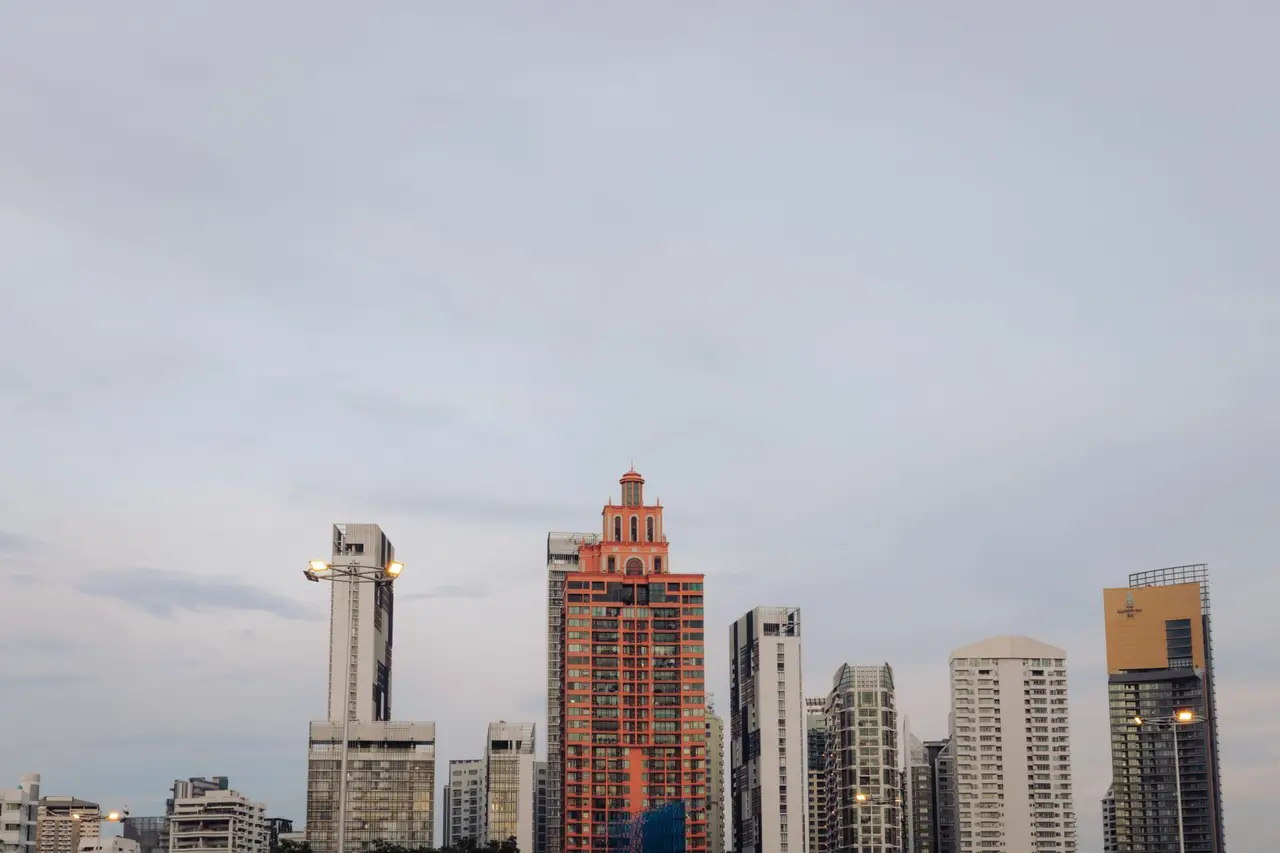
- My real daily range: about $35–$55/day if I’m staying in a simple private room or good hostel, eating local, and using the BTS/MRT plus a few Grab rides.
- Comfortable but not fancy: about $60–$90/day if I want my own room, a couple of sit-down meals, and one paid activity or a nicer night out.
- Cheap but not miserable: I could do $25–$35/day by keeping food local, staying in a dorm, and skipping taxis almost entirely.
- My verdict: Bangkok is cheap for what it gives you, but only if you avoid the obvious traps. The city gets expensive when you start paying for convenience every five minutes.
What I actually spent on accommodation

I usually paid more attention to location than to the prettiest room photo. In Bangkok, that saved me money overall because I wasn’t burning cash on rides just to get back from dinner. My best value stays were around Asok, Phra Khanong, and near the MRT on the Silom side, where I could walk to transit in under 10 minutes.
See current Bangkok hotel prices on Agoda →
For a private room, I saw decent places around $25–$45/night. A clean, basic hotel near Sukhumvit often ran closer to $35–$60/night, and dorm beds in a good hostel were usually around $8–$18/night. I paid $31 one night for a small room near the BTS and thought the tradeoff was fair because I didn’t need a taxi for breakfast, the train, or the evening market run.
Best for: travelers who want to keep transport costs low and don’t mind a room that’s simple, not cute.
Skip if: you’re booking a cheap place far from transit just because the photos look nicer.
My pick: I’d pay a little more for a spot near the BTS or MRT every time. That extra $8 or $10 came back fast.
I almost booked a cheaper hotel farther out because it was $12 less per night. Then I checked the map and realized I’d be adding 25 to 30 minutes each way to everything I wanted to do. That math never works out for me. If you’re staying fewer than 5 days, don’t cheap out on location just to save a few dollars a night.
Food: where Bangkok stays cheap and where it doesn’t
This is where Bangkok stays kind to your wallet. A plate of pad kra pao or fried rice from a street stall often cost me ฿50–฿90, which was roughly $1.50–$2.50 when I was there. At casual local restaurants, I usually paid ฿80–฿150 for a meal, and I rarely needed to spend more than $12–$15 in a full day unless I was actively trying to.
I ate a lot of simple things: rice with chicken, boat noodles, mango sticky rice, and fruit smoothies from little shops. I paid ฿70 for a bowl of noodles near Victory Monument and sat under a fan for 20 minutes while the rain passed. That kind of meal is why Bangkok works on a budget. It’s filling, fast, and not pretending to be more than it is.
Best for: travelers who want cheap, fast, local food and don’t need every meal to come with a view.
Skip if: you keep choosing hotel cafés, brunch spots, or mall restaurants with English menus and AC markup.
My pick: I’d spend on one nice dinner and keep the rest simple. Bangkok food gets expensive when you chase “special” every day.
I expected the food courts to be my cheap fallback, and they were, but not always the cheapest. Some mall food courts were still fine, just not a bargain once you added drinks and dessert. I paid ฿160 at one polished mall lunch and thought, honestly, I could have eaten better for half that at a regular street stall two blocks away. If you want value, go where locals are eating on a weekday lunch break.
Transport: the part that changes your daily budget the most
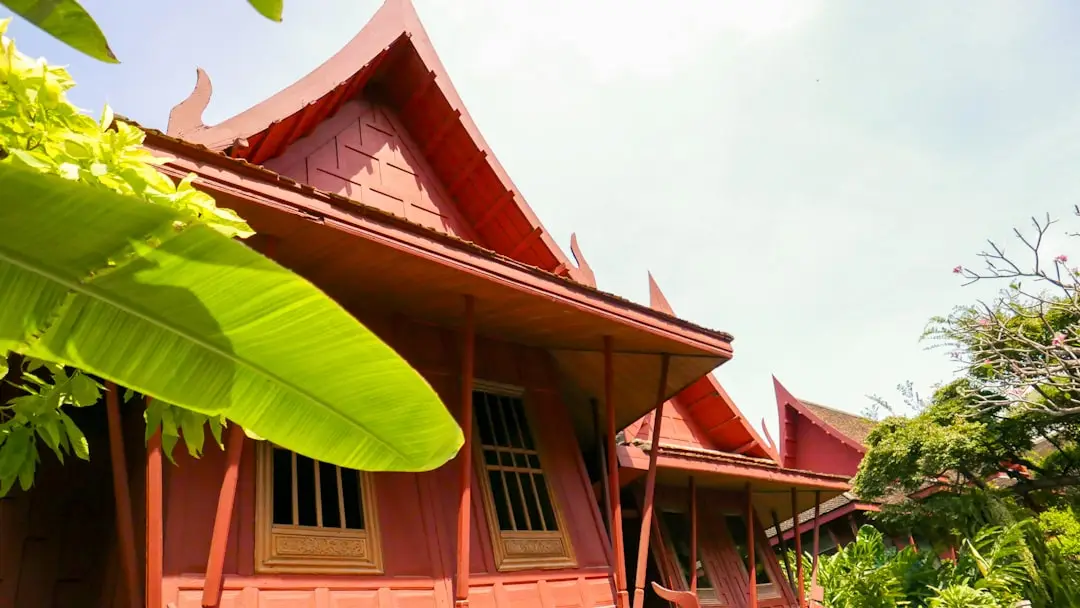
Bangkok is cheap until you start riding around like every trip needs air-conditioning and a driver. The BTS and MRT are the easiest budget tools in the city. A typical ride cost me around ฿17–฿47, depending on distance, and that added up far less than taxis when I was moving across town twice in one day.
I used the BTS when I was staying near Sukhumvit and the MRT when I needed to cross the river or move around the old city edge. A Grab ride for a short hop was often around ฿70–฿140, and traffic could turn that into a longer, more annoying expense than it looked on the app. I paid ฿92 once for a ride that took 14 minutes and saved me from sweating through a 25-minute walk in 33°C heat, so I don’t hate Grab. I just don’t use it as default.
Best for: people staying near BTS or MRT who can plan the day a little.
Skip if: you’re staying somewhere car-dependent and then taking Grab for every move. That’s where Bangkok stops being cheap.
My pick: I’d mix transit and walking, then use Grab only when the weather or distance makes the walk dumb.
One mistake I made early on was thinking a taxi would be the easy answer for everything. I grabbed one from a mall after dinner because I was tired and the rain had just stopped. The fare wasn’t awful, but it was still more than the train would have cost, and I sat in traffic for what felt like forever. Next time, I’d check the BTS or MRT first and only pay for a car when I’m carrying luggage or it’s late.
What I’d budget for activities, and what I’d skip
Bangkok can be nearly free if you’re happy wandering neighborhoods, checking temples from the outside, and eating your way through markets. It can also get weirdly expensive if you keep booking the slicker versions of the same idea. I paid ฿300 for Wat Arun entry, ฿200 for the Grand Palace, and I thought both were fair if you actually want to go inside. The outside views are free, though, and sometimes that’s enough.
I usually book Bangkok tours on Klook — the best time slots go fast, especially in peak season.
I also spent ฿150 on a longtail boat ride around one canal area, and that felt like money well spent because it changed the pace of the day. But I skipped the expensive packaged river cruises with dinner because the reviews made them sound like floating buffets with a view. Not my thing. I’d rather spend that money on a good meal and a ferry ride.
Best for: travelers who want one or two paid sights and are fine filling the rest of the day with neighborhoods, markets, and transit.
Skip if: you’re tempted by every bundled “Bangkok experience” with a transfer, a guide, and a buffet attached.
My pick: I’d keep activities to one paid thing a day, max. Bangkok doesn’t need a full calendar to feel worth it.
I figured the famous floating market day trip would be a big highlight. It wasn’t, at least not for me. Between the early start, the traffic, and the feeling that I was mostly being moved between souvenir stops, I left annoyed and lighter by more than I wanted to be. If your trip is under 5 days, I’d skip the long guided market excursions and stay in the city where the value is better.
The little costs that add up faster than you think
This is the part people ignore when they ask how much Bangkok costs per day. Water, coffee, laundry, SIM cards, and convenience purchases all chip away at the budget. I bought a large water bottle for around ฿15–฿20 almost every day, and an iced coffee from a chain or café could run ฿60–฿120. Not a disaster. Just not nothing.
A local SIM or eSIM was worth it for me because I was bouncing between neighborhoods and didn’t want to rely on café wifi. I’ve paid around $8–$15 for short-trip data in Thailand before, and I’d do it again. Laundry was also easy and inexpensive in many neighborhoods, often around ฿40–฿70/kg or a flat self-service fee, which matters more than people think if you’re packing light.
Best for: travelers on 3–7 day trips who want to avoid random friction.
Skip if: you’re budgeting only for the big categories and forgetting the small ones. That’s how the day total gets weird.
My pick: I’d spend on data and water without overthinking it. Those are boring costs, but they save time.
I expected my daily spend to stay low automatically because the city itself is cheap. That was wrong. The moment I got lazy and started buying coffees, taking short Grab rides, and stopping for drinks in nicer areas, the budget climbed fast. I spent ฿220 on one “quick” café stop that included coffee and a pastry, and that was the day I remembered Bangkok only stays affordable if I keep making small, boring decisions.
What I’d buy ahead of time and what I’d leave for arrival
I wouldn’t pre-book every detail for Bangkok. That usually just locks you into bad timing. What I would book ahead is the first 1–2 nights of accommodation, especially if I’m arriving late, plus any specific room I know I want near transit. If I’m landing after a long flight, I want a bed waiting, not a scavenger hunt in humid air with a backpack digging into my shoulders.
What I’d buy on arrival: local transit cards if needed, SIM or eSIM if I didn’t already have one, and almost all food. Bangkok is not the place to over-plan meals. I usually decided what to eat after I got hungry, and that worked better than trying to map every stop. The city is too messy for rigid plans anyway.
Best for: short trips and first visits where flexibility matters more than squeezing every dollar.
Skip if: you think booking everything early automatically saves money. In Bangkok, it often doesn’t.
My pick: book the bed, maybe one major activity, and leave the rest open.
See all Bangkok hotels on Agoda — prices near BTS and MRT stations can jump quickly once a busy weekend or holiday gets close.
Cost Breakdown
If you’re moving through Bangkok the way I usually do — one decent hotel, a few street meals, the BTS when it makes sense, and one paid attraction if I can be bothered — the lower end is realistic. The higher end is what happens when I want more comfort, end up taking taxis in traffic, and stop pretending I’m only “just having a quick drink” somewhere with a view.
Rough daily estimates from my own trip. Prices shift by season.
What I’d do differently next time
I’d stay even closer to the train the first time. I saved a little on one room and lost it back in transport and annoyance. I’d also skip the obvious tourist day trips unless I had extra time, because Bangkok itself already gives enough to do without paying for a packaged version of the city.
I’d probably eat even more simply too. The best meals I had were not the ones that looked good online. They were the ones I found because I was hungry, walking, and willing to sit on a plastic chair for 20 minutes.
FAQ
Is Bangkok cheap for a solo traveler?
Yes, Bangkok is cheap for a solo traveler if I stick to local food, the BTS or MRT, and a simple room near transit. My solo days usually landed around $35–$55 when I wasn’t splurging. If I start taking Grab everywhere or eating in nicer cafés, that number climbs fast.
How much should I budget for food each day in Bangkok?
I’d budget about $10–$18 a day for food if I’m eating like I normally do there. Street meals can be under $3, and a full day of simple local eating doesn’t need to cost much. If you want brunch, coffee, and a sit-down dinner, double that without much effort.
Are taxis and Grab expensive in Bangkok?
No, not for a single ride, but they add up faster than you expect. A short Grab trip can be around ฿70–฿140, and traffic can turn a cheap ride into a slow one. I’d use them only when the weather is awful, I’m late, or the train would be awkward.
Is it worth staying near the BTS or MRT?
Yes, staying near the BTS or MRT is worth the extra money. I saved more on transport and time than I spent on the room difference, especially on short trips. If I’m staying less than 5 days, I’d choose location over a slightly cheaper bed every time.
What should I skip if I’m trying to keep Bangkok affordable?
I’d skip packaged day tours, overpriced rooftop bars, and random taxi rides for short distances. Those are the fastest ways to blow a budget in a city that’s otherwise pretty manageable. If I want one splurge, I’d make it a nice dinner instead of a guided experience with a souvenir stop attached.
 Emma Hayes