

Nobody told me this before I went. Bangkok looks chaotic on a map, and the first day I treated it like a city I could “figure out later.” That cost me a sweaty 40-minute detour, one overpriced taxi ride, and a little patience I didn’t really have. My answer is simple: I’d mix the BTS, MRT, river boats, and Grab, and I’d skip anything that sounds cute but eats an hour.
This is for travelers who want to move fast without paying luxury-city prices. It’s not for people who want every ride to be scenic or who are trying to do Bangkok on foot like it’s a compact European center. If I had less than five days, I’d care most about staying near a rail line and using Grab only when the train doesn’t make sense. If you’re figuring out how to get around Bangkok, that’s the setup I’d trust first.
Quick answer: I’d use the BTS and MRT for most trips, Grab for late arrivals or awkward cross-city rides, and the Chao Phraya Express Boat for river-side sights. I’d skip tuk-tuks unless I already agreed on the price, and I’d stay near a station if I could.
The Bangkok transport mix I’d actually use

- I’d stay near the BTS or MRT first, because that saves more time than any “local experience” transport hack.
- I’d use Grab for late arrivals, bad rain, and awkward cross-city trips. In Bangkok, that’s often worth the extra couple of dollars.
- I’d use the Chao Phraya Express Boat for river-side temples and old-town stops. It’s cheap and way less annoying than sitting in traffic.
- I’d skip tuk-tuks unless I wanted the ride for the novelty and already agreed on a price. They’re fun once. Expensive fun, usually.
Best for: First-timers who want a clean, low-friction way to get around Bangkok without burning half the day in traffic.
Skip if: You’re staying deep in a neighborhood far from rail lines and don’t want to rely on ride-hailing every day.
My pick: BTS + MRT for daily movement, Grab for gaps, boats for river areas. That combo gave me the best cost-to-time ratio.
The BTS and MRT are the part I’d plan around first

If I were booking Bangkok again, I’d choose my hotel based on rail access before I cared about anything else. The BTS Skytrain and MRT subway are the only reason I didn’t spend half my trip in traffic. A single ride usually costs around 16 to 59 baht depending on distance, and I found that hard to beat when I was moving across the city in heat that sat around 26–33°C and made every extra block feel personal.
I used the BTS more than anything else. I paid 59 baht for a longer ride once, and I still thought it was worth it because I got to my stop in a clean, air-conditioned car instead of sitting in a taxi staring at brake lights. The MRT is just as useful for certain neighborhoods and connections, though I found myself using the BTS slightly more because it lined up better with the places I was actually going.
Best for: Staying in Sukhumvit, Silom, Sathorn, or anywhere within a short walk of a station.
Skip if: Your hotel is a “great deal” that’s really a 20-minute walk from the nearest station in humidity. That math never works out.
My pick: BTS if I’m mostly above ground and moving east-west, MRT if my route fits the subway better. I’d check the map, not the hotel photos.
The part people underestimate is the last stretch. A station that looks “close” on the listing can still mean a hot walk past traffic, sidewalks that disappear, and one random puddle from recent rain. I made that mistake near Asok and had to duck into a coffee shop for 95 baht just to cool down before continuing. Worth it only if the hotel rate is meaningfully lower. Otherwise, no.
Grab is the backup I’d actually trust
I used Grab when the train would have been awkward or when I was too tired to care. A short city ride often came out around 90 to 180 baht, and cross-town trips could climb higher depending on traffic and time of day. I booked one from the Sukhumvit area to a place near the river after dark, and the app quote was still easier to swallow than haggling with a taxi driver while I was already over it.
This is the option I’d use for airport runs, late-night arrivals, or days when rain changes everything. I got caught once after a shower near the Grand Palace area and every curbside taxi seemed to have the same idea about “traffic surcharge.” Grab was less charming, sure, but it was honest enough. That matters.
Best for: Solo travelers, luggage days, and any trip where the train requires too many transfers.
Skip if: You’re trying to save every last baht and your route is directly on the BTS or MRT.
My pick: Grab over regular taxis when I want a set price and less conversation. I’d still use taxis if I was in a rush and the meter was on, but I don’t love gambling on that.
I had two choices one afternoon: sit through a hot transfer and two station changes, or pay for Grab. I paid about 160 baht and got there in 20 minutes. The train would’ve taken closer to 45 once I counted the walk and transfer, and I didn’t feel like pretending that was a fair trade.
River boats are cheap, fast, and a little messy in a good way
The Chao Phraya Express Boat is one of the few Bangkok transport options that still feels like a deal. I paid just a few baht for some rides, and even the tourist boat options cost far less than most private transfers. If I’m headed to Wat Arun, the Grand Palace area, or anything on the river, I’d take the boat before I’d sit in a taxi through traffic.
I expected the river boats to be more confusing than they were. They were a little chaotic, yes, but not in a bad way. I bought a ticket, watched the signs for the right line, and got off where I needed to. The whole thing was more manageable than the internet makes it sound, though I wouldn’t call it elegant. Useful? Very.
Best for: Temple days, old Bangkok, and travelers who don’t mind a bit of crowding for a big time savings.
Skip if: You hate figuring out piers or you’re carrying a lot of luggage. This is not the move with a giant suitcase.
My pick: Express Boat over tuk-tuk for river-side sightseeing. It’s cheaper, and I’d rather spend 16 baht than 300 baht for the same general direction.
I thought the tourist boat would be the easier option, since it sounded cleaner and more organized. It was fine, but the regular express boat was the better value, and I’d take it again unless I specifically wanted the commentary. The commentary was not worth the markup for me.
Tuk-tuks are fun once, then mostly a tourist tax
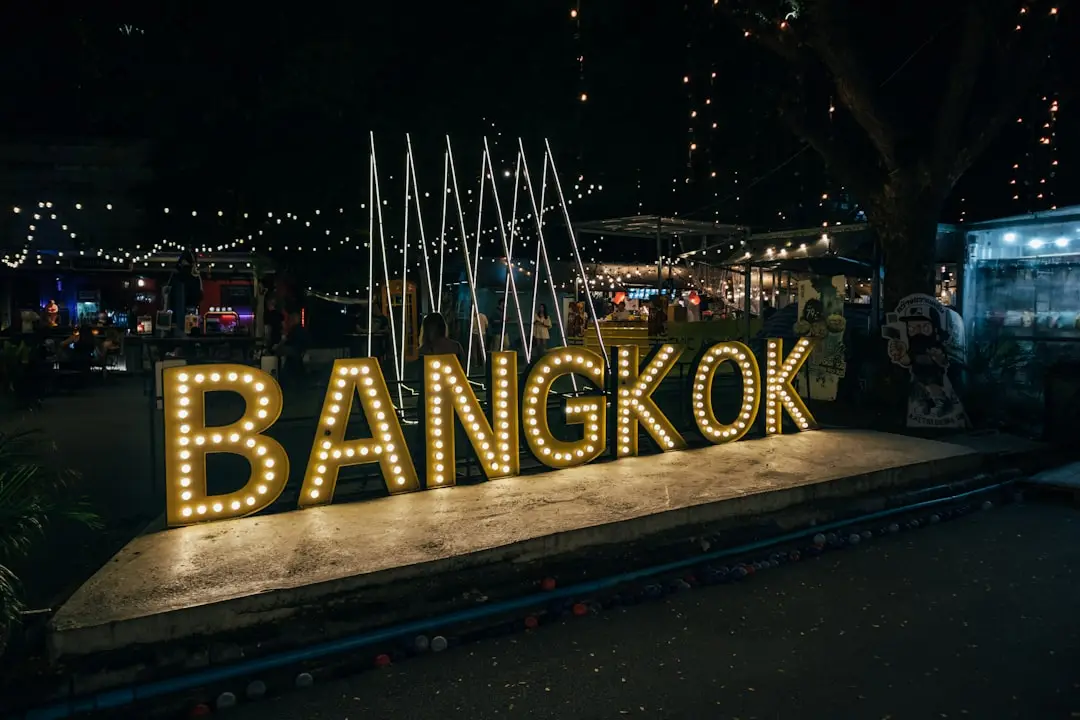
I’m not anti-tuk-tuk. I just don’t think they’re the default answer in Bangkok. I paid 200 baht for a short ride once because I wanted the experience, and that was enough to remind me why I usually skip them. The ride was loud, hot, and faster in spirit than in reality.
I usually book Bangkok tours on Klook — the best time slots go fast, especially in peak season.
If you want one for a short hop, agree on the price before you get in. I’ve seen rides quoted at 100 to 300 baht for distances that a meter taxi or Grab would handle for less. The problem isn’t the concept. It’s the markup and the time spent negotiating when I could already be halfway there.
Best for: A one-off ride when you want the Bangkok cliché and already know the price.
Skip if: You’re using it as your main way around. That gets expensive and annoying fast.
My pick: One tuk-tuk ride for fun, then I’m done. I’d rather spend that money on actual food.
I got pitched a “special tuk-tuk city tour” near a major temple stop and almost went because I was tired and it sounded easy. Then I heard the price, 800 baht, and realized I’d be paying a lot to sit in traffic with a stranger deciding my route. I walked away and took the boat instead. Better use of money, no question.
Walk when the map lies to you, not when the heat does
Bangkok is walkable in pockets, not as a whole. Around some BTS stations, malls, and a few riverfront stretches, I could move on foot without hating my life. But I would not plan a Bangkok trip around long walks between major sights. The sidewalks can be uneven, crossings are not always friendly, and after a rain shower I found myself stepping around puddles and broken curbs more than once.
I walked from my hotel to a nearby café and paid for it with sweat. That sounds dramatic, but it’s true. I had a fan, sunglasses, and an umbrella in my bag the whole trip, and I used all three. Light linen and loose cotton mattered more than I expected. Bangkok doesn’t reward stubbornness.
Best for: Short neighborhood hops, especially early in the morning or after sunset.
Skip if: You’re trying to walk between major districts in midday heat. That’s a rookie move and I say that kindly.
My pick: Walk only when the distance is genuinely short and the sidewalks make sense. Otherwise I’d take the train or Grab.
I assumed one district would flow into the next more naturally than it did. It didn’t. A 15-minute walk on the map turned into a sweaty 30-minute mess because of traffic lights, awkward crossings, and one stretch where the sidewalk basically vanished. I’d rather spend 30 baht on a short ride than repeat that.
What I’d book ahead before landing, and what I’d buy on arrival
If I had a short Bangkok trip, I’d book my first-night hotel and airport transfer ahead of time, then leave the rest flexible. For a city this big, locking in the right base matters more than prebooking every ride. I’d also download Grab before I landed, because fumbling with apps at the airport is a dumb way to start a trip. I’ve done dumber things, but not many.
What I would not book ahead is random transport “packages” or guided city hops unless I had a very specific reason. Bangkok transport is cheap enough that paying for a prearranged day of movement usually makes no sense. If I wanted a real activity, I’d book something specific later. For transport itself, I’d keep it simple.
Book ahead: Hotel near BTS/MRT, airport pickup if I land late, maybe a specific river cruise if that’s the actual plan.
Buy on arrival: BTS/MRT rides, Grab rides, boat tickets, one-off tuk-tuks if you really want one.
My pick: Don’t overbook transport in Bangkok. The city is too flexible for that to be worth it.
See all Bangkok hotels on Agoda before you lock in a place too far from the train. I’ve paid less for a room and more in transport, and that trade only feels smart on paper.
The one Bangkok mistake I’d avoid again
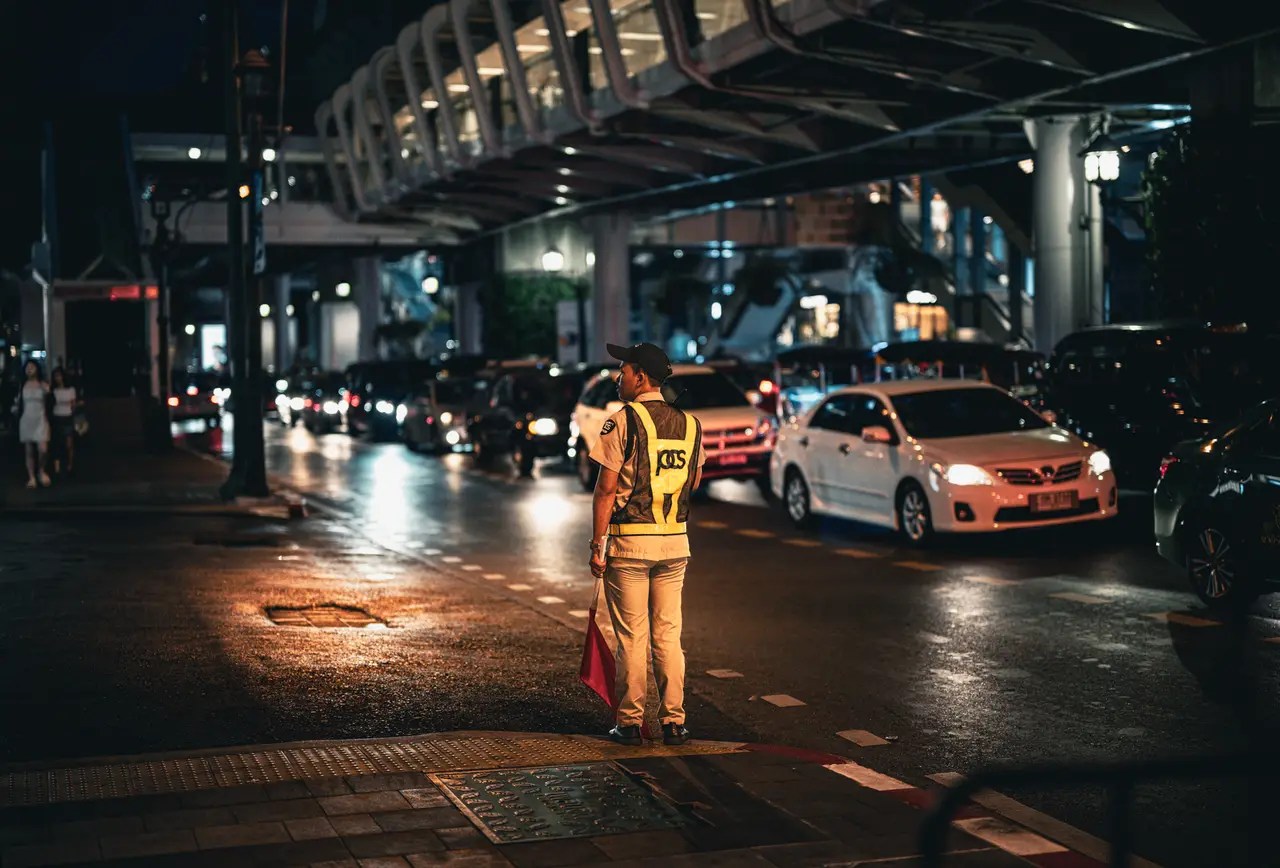
I once thought I could save money by staying farther from the action and just “taking transport.” That sounded reasonable until I actually did it. I spent more time crossing the city, paid for extra Grab rides, and lost the one thing I really wanted on a short trip: momentum.
The trigger was a rainy afternoon when I needed to get from one side of the city to the other and the train route was awkward. The consequence was 240 baht in rides that day alone, plus almost an hour of dead time I could’ve used for dinner or a proper rest. My hindsight is simple: if I’m in Bangkok for less than a week, I’m paying a little more to stay near the BTS or MRT. That extra cost comes back fast.
Best for: Travelers who want fewer decisions and less transit friction.
Skip if: You enjoy long commutes or you’re staying a month and don’t mind experimenting with every route.
My pick: Pay for location once. Save money every day after that.
Rough daily estimates from my own trip. Prices shift by season.
What I’d do differently next time
I’d stay even closer to a station, probably within a 5-minute walk, and I’d stop trying to save a few dollars on the hotel if it adds daily friction. I’d also use Grab less for short hops and more as a true backup. And I’d skip tuk-tuks unless I specifically wanted the novelty, because I don’t need to pay for chaos twice.
My final take on getting around Bangkok
Bangkok is easy enough if I stop trying to make it romantic. The best setup is boring in the best way: train for structure, Grab for gaps, boats for the river, walking only when the route is short and sane. I’d rather move efficiently and spend my energy on food, neighborhoods, and actual plans.
Best for: First-time Bangkok travelers who want the cheapest reliable mix of speed and convenience, especially on trips under 5 days.
Skip if: You’re expecting to walk everywhere or you’ve booked a hotel far from the BTS/MRT and don’t want to use ride-hailing often.
Next time: I’d pay more for a station-side hotel and use fewer taxis. That saves more than it costs.
See current Bangkok hotel prices on Agoda →
FAQ
Is Bangkok easy to get around without speaking Thai?
Yes, it’s easy enough if I stick to the BTS, MRT, Grab, and boat routes. Most station signs are clear, and Grab removes a lot of the back-and-forth I’d otherwise have with drivers. I still kept my destination names saved on my phone, which saved me from one awkward pronunciation mess near a pier.
Should I stay near the BTS or MRT in Bangkok?
Yes, I’d stay near one of them. The time and money I save from not relying on taxis every day is worth more than a slightly cheaper room farther out. If I’m in Bangkok for a short trip, I’d pay extra for a station that’s actually walkable, not “walkable if you’re fresh and it’s not raining.”
Are tuk-tuks worth taking in Bangkok?
Only once, and only if I already know the price. I paid 200 baht for a short ride and liked the novelty more than the value, which is basically my whole verdict. For normal transport, I’d rather use Grab or the train and keep the money for dinner.
What’s the cheapest way to move around the city?
The cheapest practical option is usually the BTS, MRT, or river boat, depending on where I’m going. Some boat rides cost just a few baht, and train fares often stay low for short distances. I’d avoid stacking cheap choices that add up in time, because wasting an hour is its own cost.
How do I get from the airport into Bangkok without stress?
I’d book a Grab or taxi if I’m landing late or carrying a lot of luggage. The Airport Rail Link can be good value during the day, but after a long flight I’ve found the simpler ride worth the extra money. If my hotel is near a station, I’d consider the train first; otherwise I’d take the direct ride and be done with it.
 Emma Hayes