
This post contains affiliate links. If you purchase through these links, I earn a small commission at no extra cost to you. I only recommend products I actually use and have tested across multiple trips.
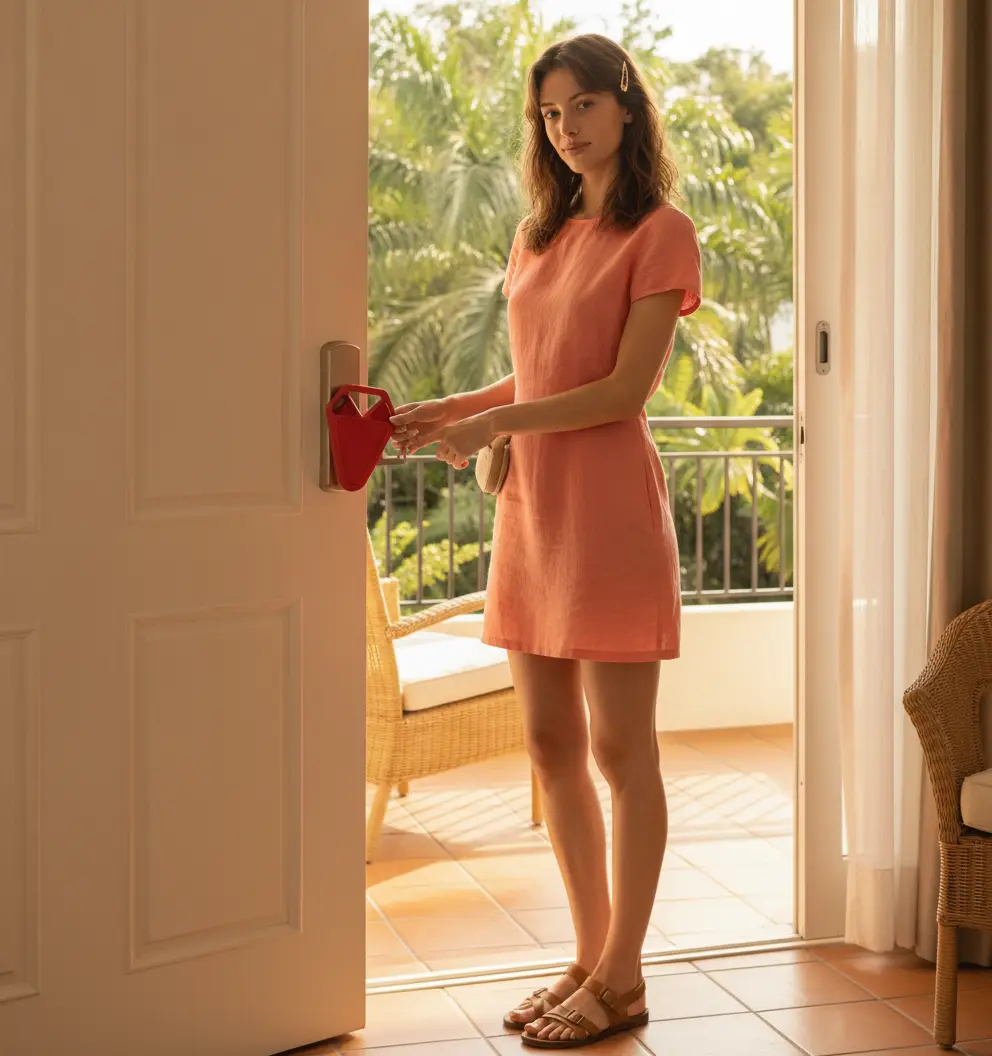
I used to pack like I was trying to win a minimalist contest. One tiny bag, one backup plan, and a lot of optimism. That changed after a cheap hotel room in Medellín, where the door lock looked loose enough to wobble if I touched it. I was alone, the street noise ran late, and I kept checking the latch like that would fix it. It didn’t. That was the trip where I stopped treating a portable door lock as paranoid overkill and started treating it like cheap insurance.
Since then I’ve carried two versions across humid summers, cold winters, long-haul flights, and carry-on-only packs: the Portable Door Lock Travel Door Lock and the AceMining Portable Door Lock. I’ve used them in 17 months of solo stays across 9 and 8 countries respectively, mostly in older budget hotels and small guesthouses where the hardware looked tired. My standard now is simple: if the room setup feels flimsy, I add one of these and sleep better. If it doesn’t fit the door, I skip the drama and move on. For me, that’s the whole point.
The Short Answer
If you’re trying to figure out what is the best personal safety alarm for women, I’d say start with the one that actually works on the doors you keep getting: older hotel rooms, cheap apartments, and guesthouses with bad latches. For me, that’s been the AceMining Portable Door Lock when I want something sturdier in hand, and the Portable Door Lock Travel Door Lock when I want the cheaper backup that still earns its spot. Both are worth it if you travel solo and keep ending up in rooms with questionable hardware.
My quick take: AceMining Portable Door Lock is worth it for solo travelers who want a slightly sturdier feel; Portable Door Lock Travel Door Lock is worth it if you want the lower-cost version and don’t mind a more fiddly setup; both are only if your door frame actually fits the shape; and neither is magic on weird swing-clearance or outward-opening doors. I’ve used both in real rooms, not just at home, and that matters more than the Amazon photo ever will.
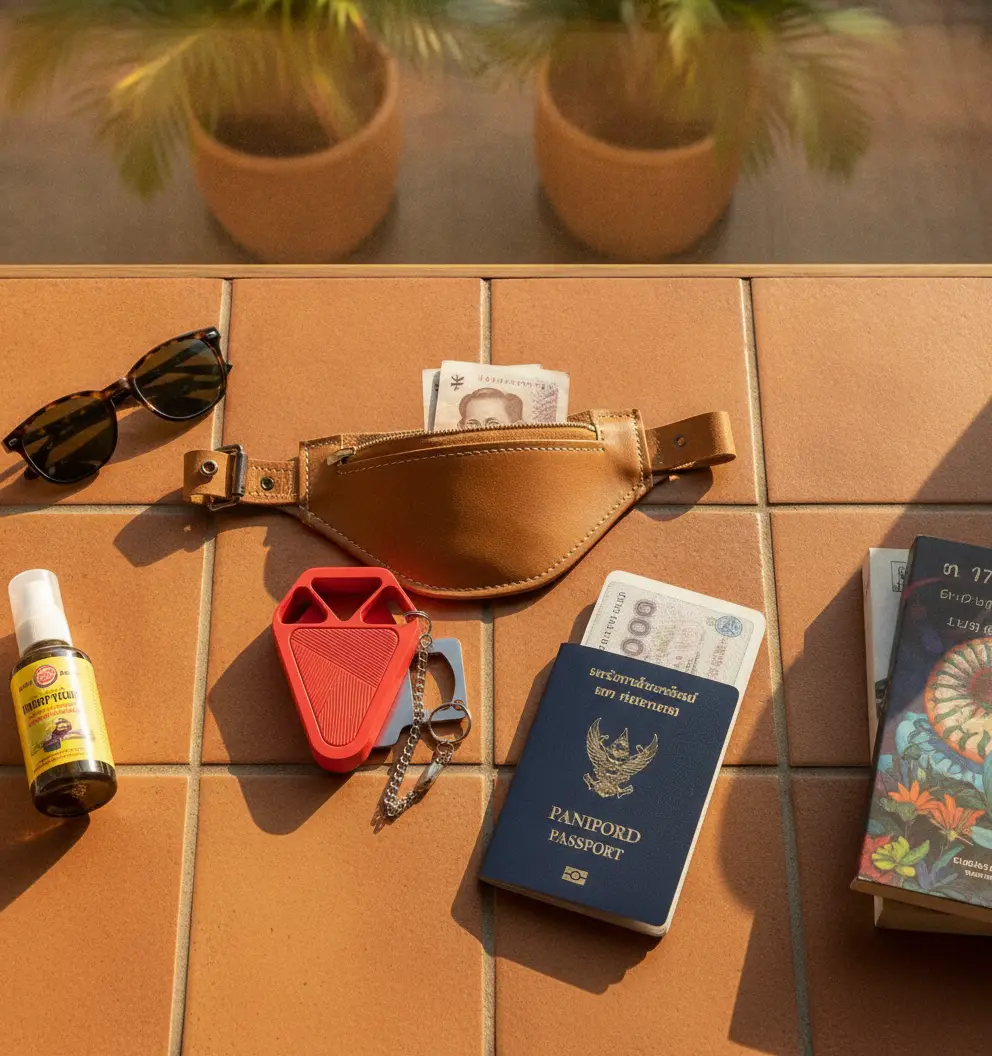
What I Actually Pack for Solo Stays

Portable Door Lock Travel Door Lock
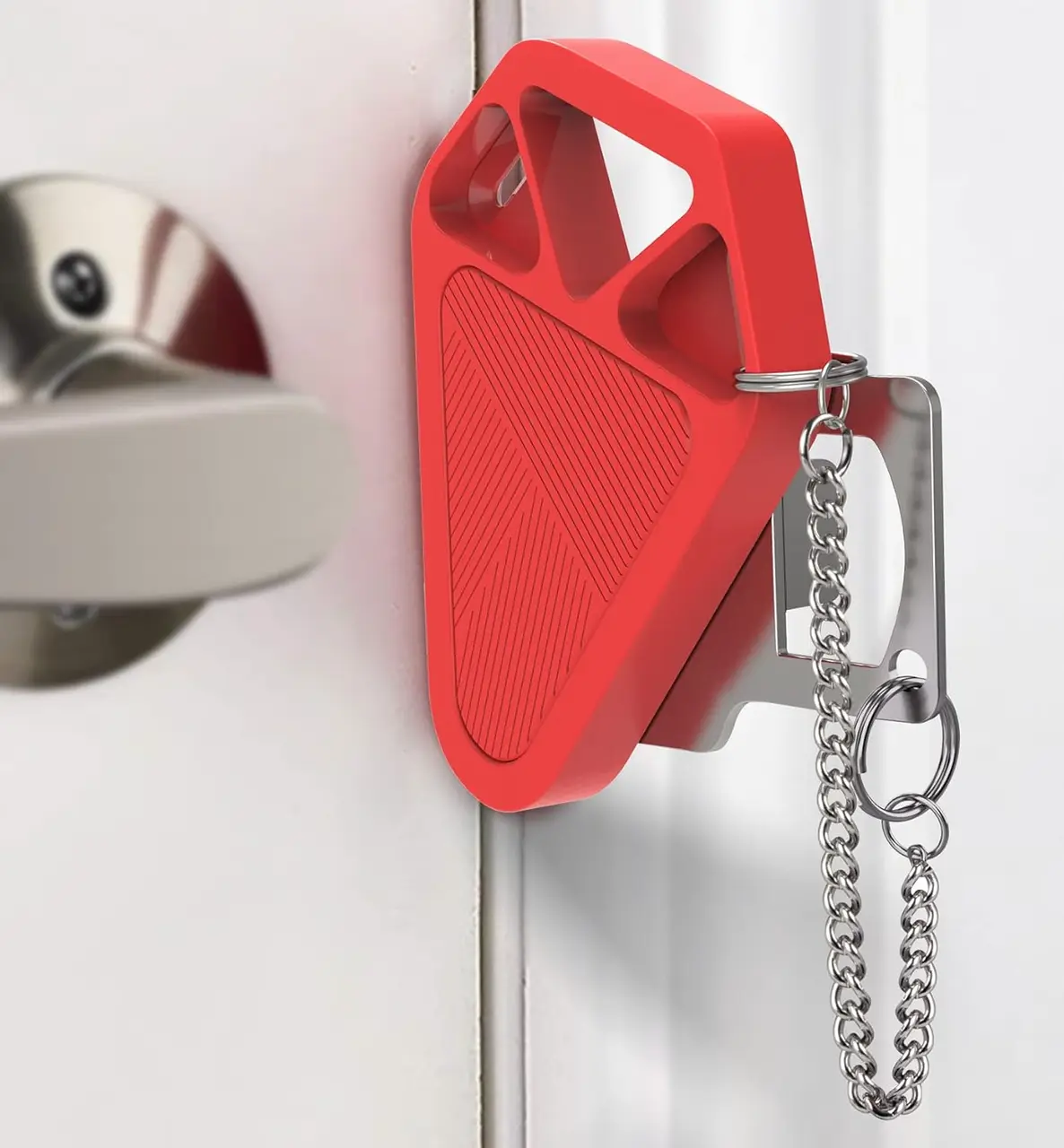
Portable Door Lock · $8-15 when I bought it
Useful in older hotel rooms and cheap apartments where the door feels flimsy. I use it when I’m alone in a room in places like Mexico City or Lisbon and want an extra layer between me and a bad latch.
- Worth knowing:
- Does not work on every door style, especially some swing-clearance or outward-opening setups.
- If the door frame is worn or oddly shaped, installation can take a minute and feel fiddly.
Check current price on Amazon (affiliate link)
AceMining Portable Door Lock
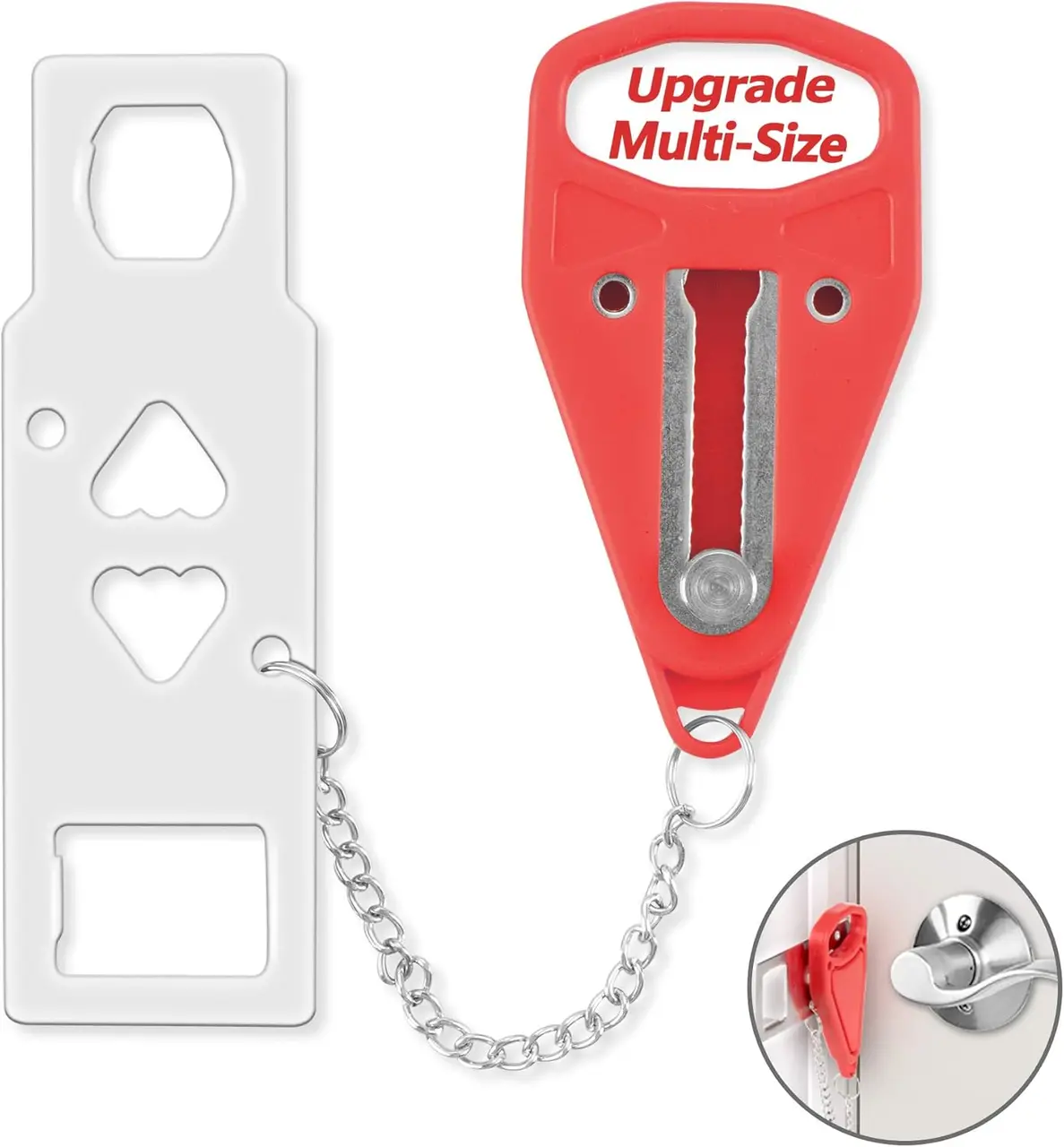
AceMining · $9-16 when I bought it
Similar idea to the cheaper travel door locks, but this one has felt a bit sturdier in hand. I keep one in my toiletry bag for solo stays where I do not fully trust the room setup.
- Worth knowing:
- Still useless if the door gap is too tight or the frame does not fit the lock shape.
- It adds one more item to pack, and I have forgotten it in the room once.
Check current price on Amazon (affiliate link)
Portable Door Lock Travel Door Lock — I used this for 14 months across 9 countries, and the best test was a budget hotel in Medellín near a busy street. Before that, I kept relying on the flimsy room latch and one of those cheap generic travel locks from a discount marketplace. The cheap one felt light and sloppy, and on one trip in Lisbon it took me two tries and a minute of fiddling to get it seated right; I was already tired, and that kind of tiny frustration matters when you’re arriving late and just want the room to feel secure. The Portable Door Lock Travel Door Lock won because it gave me a cleaner, more predictable fit on the doors it was meant for. One night in Medellín, I slid it onto the inside door in under a minute, and the difference was immediate: the door stopped feeling like something I had to keep checking. After that, I slept through the night instead of waking up to re-check the latch. Worth it for older hotel rooms, but it won’t work if you have a door with too little gap, a weird outward-opening setup, or a worn frame that makes installation fiddly.
Field test detail: it lives in my toiletry bag with a passport pouch, earbuds, and a tiny charger cube, so it doesn’t take over my carry-on. I’ve used it in humid summers where the room air felt sticky and in colder months when I was checking into places with swollen, uneven doors; the lock still did its job, but the setup took longer on the warped frames. The quirk is that it’s not elegant. It’s a small metal tool, not a polished travel accessory, and I’ve had to angle it twice before it seated properly. That’s fine. I’d rather spend 20 seconds on the door than 20 minutes lying awake wondering if the latch is doing anything.
AceMining Portable Door Lock — I’ve used this one for 18 months across 8 countries, mostly when I want the sturdier-feeling option. Before it, I was still leaning on the same cheaper travel locks and one generic version that felt like it could snap if I rushed it. In a small guesthouse in Athens, the room door closed fine but the hardware looked old and uneven, and that’s exactly the kind of setup where the AceMining version felt better in hand. The winning difference was simple: it felt more solid when I installed it, and on that Athens trip I got it in place without the little wobble that made me distrust the cheaper one. That sounds minor until you’re alone in a room and trying to decide if the door is actually secure. After that switch, I stopped second-guessing the lock every time I heard a hallway noise. Worth it if you want a bit more reassurance for a few extra dollars, but only if the door gap and frame shape match; if they don’t, it’s useless.
Field test detail: I keep it in my toiletry bag, and it has survived long-haul flights in carry-on only packs without getting bent or lost in the bottom of the bag. I’ve used it after red-eye arrivals when I was too tired to deal with anything complicated. The edge case is still the same as with the cheaper one: if the frame is oddly shaped or the gap is too tight, you’re done. I also forgot it in the room once, which is exactly the kind of dumb traveler mistake that makes me say it’s worth it only if you’re the sort of person who checks your bag twice before checkout.
What Didn’t Make the Cut
The $30 drugstore door wedge — I tried one in a budget stay in Lisbon because it looked simple and cheap. It failed in the one way that matters: the floor gap was wrong, so it slid instead of bracing, and I spent about 10 minutes futzing with it before giving up. That was $30 wasted on a product that only works if the room geometry is kind to you. Skip it.
A generic Amazon no-name travel lock — I used one for a few nights before Medellín, and it felt flimsy enough that I didn’t trust it on the first try. The failure scene was a late check-in after a long travel day, and the lock took two attempts to seat because the shape felt sloppy. I lost maybe 15 minutes of sleep setup and gained zero confidence. For me, that’s a bad trade. Skip it.
The popular TikTok mini alarm with a keychain pull-pin — I tested one on a winter trip when I was trying to keep my carry-on light. It was loud enough in my apartment, but in a real room it turned into one more thing to remember, and I nearly left it behind twice. I also didn’t love how easy it was to misplace in a toiletry bag with chargers and lip balm. It’s only worth it if you specifically want an audible alarm and you’re disciplined about clipping it somewhere visible. For my travel style, skip it.
How It All Fits Together
My carry-on setup is boring on purpose. I keep one door lock in my toiletry bag, not buried in the main compartment, because I want it within 30 seconds of opening the bag. That matters after a 9-hour flight when I’m tired and moving slowly. The Portable Door Lock Travel Door Lock is my lighter, cheaper backup; the AceMining version is the one I grab when I expect the room to be a little rougher and I want the sturdier feel. I do not bring both unless I’m testing something.
The real system is this: I check the door first, then decide. If the frame looks standard and the gap is fine, either lock works and I’m done. If the door looks odd, warped, or outward-opening, I stop pretending a gadget will save the day and I rely on common sense instead. That’s the honest part people skip in affiliate posts. These are useful tools, not miracles.
I expected Bangkok’s hostels and budget hotels to have solid locks like everywhere else, but I figured wrong—most rooms had latches that looked like they hadn’t been serviced in $500 worth of renovations. What actually happened was I’d arrive at a guesthouse, test the door, feel it shift in the frame, and immediately pull out the AceMining lock instead of risking 8 hours of half-sleep wondering if the frame would hold. The honest takeaway: in older Southeast Asian guesthouses, a portable door lock stops being paranoia and starts being the only thing between you and a bad night.
FAQ
Do I actually need a portable door lock for solo travel?
Yes, I think it’s worth carrying if you often stay in older hotels, guesthouses, or cheap apartments. I’ve used mine in rooms where the latch looked loose, and the extra layer made a real difference in how I slept. If you only stay in newer chain hotels with solid hardware, you can skip it.
Which one would I pick for short trips with carry-on only?
I’d pick the AceMining Portable Door Lock if I wanted one lock for a lot of solo trips, because it has felt a bit sturdier in hand. I’ve carried it through long-haul flights without it becoming a burden, and it still fits in my toiletry bag. If your packing style is ultra-minimal, the cheaper Portable Door Lock Travel Door Lock is fine.
Will these work in humid places like Mexico City or Southeast Asia?
Yes, they work fine in humid climates, but the door frame matters more than the weather. I’ve used similar locks in sticky, tired-looking rooms, and the issue was always fit, not climate. If the door is warped from humidity, expect a little more fiddling.
Are these worth it if I’m staying only one or two nights?
Yes, because the value shows up fastest on short stays when you’re tired and don’t want to troubleshoot the room. I’ve had the biggest payoff on late arrivals, when I just want the door secured in under a minute. If you’re moving every night, keep the lock in your toiletry bag so it becomes part of the routine.
What should I do if the lock doesn’t fit my door?
Skip it and don’t force it. I’ve run into doors with swing-clearance issues and odd frames where the lock simply wasn’t the right tool. In that case, I’d rather trust the room setup I have than waste time wrestling with hardware that was never going to work.
 Emma Hayes
What I’d Rebuy Immediately
The AceMining Portable Door Lock is the one I’d replace first if I lost it, because it has been the sturdier-feeling option across 18 months and 8 countries. The Portable Door Lock Travel Door Lock is also worth rebuying because it kept me from overpaying for fake peace of mind. If I’m packing for another solo trip tomorrow, those are the two safety items I’d throw into my toiletry bag without thinking twice. Everything else gets judged against how fast it works on a real door in a real room, and these two keep passing that test.