
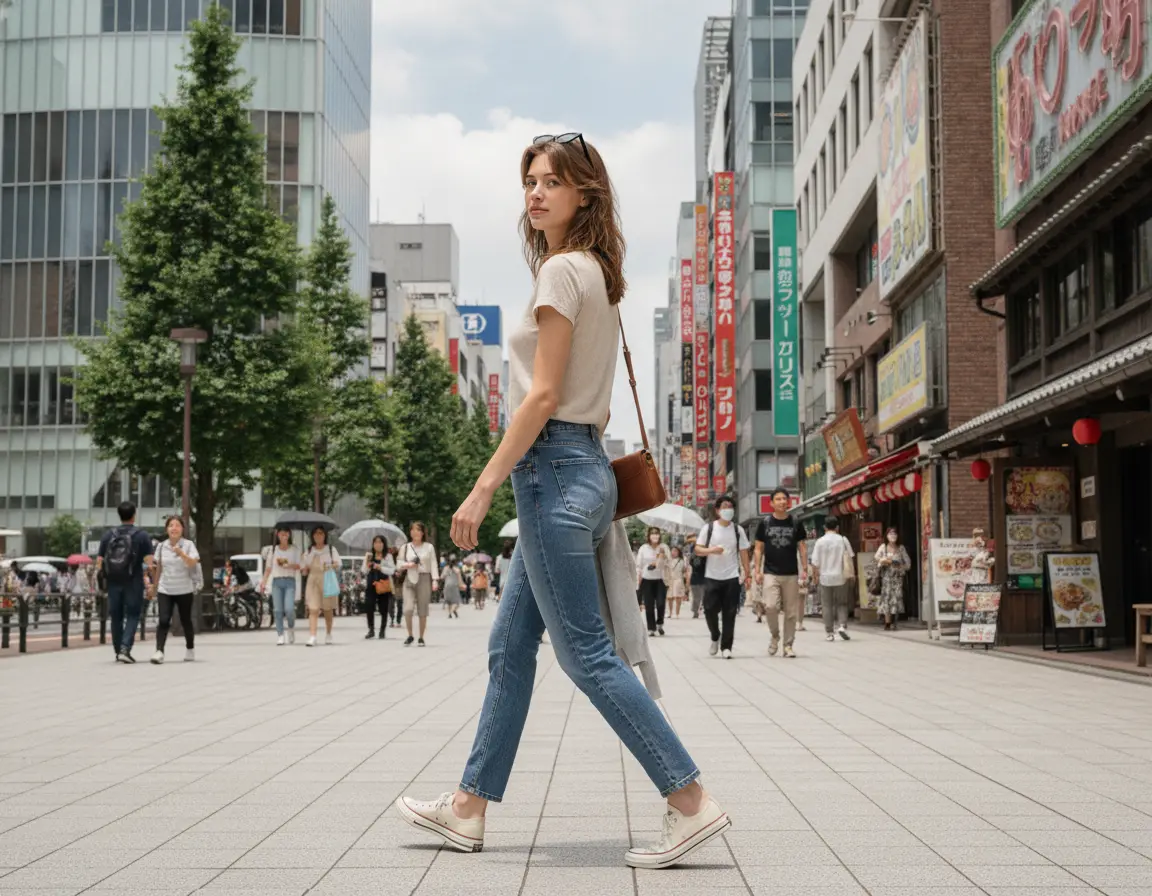
I did this wrong the first time. Tokyo looked easy on paper, so I treated it like a city where I could wing everything solo and still save money. I couldn’t. My biggest mistakes were losing time at the wrong stations, paying extra because I didn’t understand transit, and booking one “fun” stop that was really just a queue with branding. If you’re looking for Tokyo travel mistakes to avoid solo, these were the ones that actually cost me.
I’d say this post is for solo travelers who want Tokyo to be efficient, not exhausting. It’s not for people who like paying for convenience without checking the math. The thing that matters most in Tokyo is not how much you can fit in. It’s whether the fit is actually worth the time and train changes.
Quick Answer: My biggest Tokyo solo travel mistakes were staying too far from the lines I used, buying a transit pass too early, and showing up late to crowded spots like Senso-ji. I’d stay closer to one clean train line, pay as I go unless the route is long, and go early for famous places.
- I lost the most money when I guessed wrong on transport and fares.
- I lost the most time when I picked “famous” stops that were awkward from the station or crowded by mid-morning.
- The city got better when I stopped chasing the obvious route and started choosing by walkability, train access, and actual food near the station.
Main Tips

I stayed in the wrong part of the city for my first solo day
I figured I could stay a little farther out and save money, because Tokyo’s train system is supposed to make everything easy. That logic seemed sound. I’d done that in other cities and it usually worked. In Tokyo, it only worked halfway.

The trigger was simple: I booked a place that looked cheap on the map but wasn’t near the lines I kept needing. Getting from there to Shibuya took me two transfers and about 35 minutes each way, which doesn’t sound terrible until you do it twice before lunch. I also had my bag with me for part of that first morning, and that made every platform change feel worse.
The consequence was 1 hour and 20 minutes of extra transit in one day, plus about ¥1,100 in fares I wouldn’t have paid if I’d picked a better base. More annoying than the money was the drag on the day. I skipped a late breakfast in Asakusa because I was tired of moving, then ended up buying a convenience-store onigiri and iced coffee for ¥430 instead. Fine meal. Bad use of time.
My hindsight is pretty plain: I’d stay within one clean train line of the places I actually wanted to visit, even if the room cost ¥2,000 to ¥3,000 more per night. I’d rather pay a bit more and walk to the station than save a little and start every day with a transfer puzzle. Worth it: paying more for a base that cuts out one transfer per day.
Skip if: you don’t mind 30 to 40 minutes of commuting before your day starts.
Best for: solo travelers who want to move fast and keep the day simple.
I bought a transit pass before I checked my actual route
I thought I was being smart. Everyone online makes Tokyo transit sound like a place where a pass solves everything, so I bought one without doing the math first. I wanted one less thing to think about. That part was reasonable. The mistake was assuming “common advice” was the same as “good for my trip.”

The trigger was when I started using the metro for short hops instead of longer cross-city trips. I was going from Ueno to Akihabara, then later from Shibuya to Harajuku, and then I took a local line to a neighborhood cafe in Kiyosumi-Shirakawa. Those rides were cheap enough that the pass didn’t pull ahead. I kept tapping and thinking, wait, why did I prepay for this?
The consequence was about ¥900 wasted over two days. Not a disaster, but annoying enough that I noticed it every time I passed a gate. I also spent 15 minutes one evening trying to figure out whether one more ride would “make the pass worth it,” which is exactly the kind of mental tax I try to avoid when I travel. That math never feels good once you’re already on the platform.
The hindsight: I’d check my exact route first and compare the total against pay-as-you-go fares before buying anything. If I’m staying mostly inside central Tokyo and doing short rides, I’d skip the pass. If I’m stacking longer cross-city days, then it starts making sense. Only if: your route is heavy on longer train rides and you’ve already mapped them out.
Best for: people doing multiple long train hops in one day.
Skip if: your plans are mostly short rides and neighborhood walks.
My pick: I’d pay as I go unless I already knew the pass would save me real money.
I showed up late to a famous spot and paid for it with time
I expected one of Tokyo’s biggest tourist areas to be busy, but I didn’t expect how quickly it would turn into a slow shuffle. I went to Senso-ji in Asakusa around 10:45 a.m. because I thought a weekday would keep it manageable. Weekday did help. Late morning did not.

The trigger was that I arrived after the first wave of tour groups, not before them. Nakamise-dori was already thick with people, and I spent more time waiting for gaps than actually looking around. I bought a ¥300 taiyaki because I needed something to do with my hands while I edged forward. It was decent. The line for the temple area itself wasn’t horrible, but the whole approach felt crowded enough that I couldn’t settle into it.
The consequence was almost 50 minutes of slow movement for maybe 15 minutes of actual looking. I left with a decent snack and not much else. I’d planned to pair it with a walk along the Sumida River, but by the time I got out, I didn’t care enough to keep the full plan. That’s the part that stung. It wasn’t ruined. It was just flattened.
My hindsight: I’d go before 8:30 a.m. if I wanted the area to feel even slightly calm, or I’d stop treating it like a “sit and stare” stop and just pass through on the way to breakfast. Worth it: early morning. Skip it: late morning if you hate crowd friction.
Best for: solo travelers who can get up early and want the area before it turns into a funnel.
Skip if: you only have late-morning availability and hate shoulder-to-shoulder walking.
I booked one paid attraction that was more queue than payoff
I assumed one of Tokyo’s polished observation-style attractions would be an easy solo win. I’d heard it was “iconic,” and I figured a paid ticket would keep the experience smooth. That was the logic. It was not great logic.

The trigger was buying the ticket for the wrong time slot and arriving with everyone else who had the same idea. I spent about 25 minutes in line after security, then another stretch waiting for the right opening to get a clear view without a dozen phones in front of me. The actual view was fine. The process around it was the problem. I paid ¥2,200 and got about 20 minutes of satisfaction, which is not the ratio I like.
The consequence was a half-day that felt more scheduled than enjoyable. I also had to rush lunch afterward and ended up spending ¥1,300 on a mediocre bowl near the station because I was hungry and impatient. I don’t even remember the place name, which tells you enough. Tokyo has too many better ways to spend two hours than standing in a branded line.
My hindsight is simple: I’d only book paid attractions in Tokyo if I knew the time slot would save me a real line or give me something I can’t get from the outside. Otherwise, I’d keep the money for food or a better neighborhood walk. Skip it: if the main appeal is “the view” and the line is already visible from the street.
Worth it: only when booking a specific timed entry cuts the wait down to near zero.
I pre-booked on Klook once I realized the timed slots were the difference between a quick entry and a long idle wait. For anything in Tokyo that sells out by the hour, I’d rather lock it in than stand there hoping the line behaves.
I trusted the “local vibe” claim and got a watered-down version instead
I expected a few neighborhoods I saw recommended online to feel more lived-in and less polished. That expectation was partly right, which is what made this one tricky. I went looking for a place that felt like Tokyo outside the postcard version. Instead, I found a lot of places that were selling “local” as a theme.

The trigger was following a recommendation to a small alley area that had been framed online as authentic and low-key. It looked good in photos. In person, I found a narrow strip of bars with English menus, inflated prices, and people taking the same shot from the same corner. I bought a ¥700 coffee and sat for 10 minutes trying to figure out why it felt so familiar. It was because the place was basically built for visitors who want to feel like they found something.
The consequence was not financial ruin, but it was a waste of about 1 hour and ¥1,200 once I counted the coffee and the snack I bought because I was already there. More important, I left annoyed with myself for falling for the exact kind of “local” pitch I usually side-eye. That one’s on me.
My hindsight: I’d rather pick a neighborhood based on what I need that day — food, walking, transit — than on whether it looks good in a reel. If I want a real solo afternoon, I’d rather wander a practical area like Kiyosumi-Shirakawa or parts of Yanaka and eat where office workers are actually lining up. Worth it: neighborhoods with ordinary lunch traffic. Skip it: any area that feels like it was packaged for a camera first.
Best for: travelers who care more about actual daily life than the influencer version of it.
Skip if: you’re chasing a polished “local” look and don’t mind paying for the act.
I ignored weather and comfort, then spent the afternoon overheating
This one sounds small, but it changed the day. I left with a light tee and a cardigan in my bag because the morning felt cool enough, and by lunch the temperature was sitting around 17–25°C with the sun breaking through the clouds. That sounds pleasant. It was, until I kept moving without planning for it.
The trigger was walking too much in one stretch without a proper break. I went from station to station, then ducked into a couple of shops, then kept going because Tokyo makes it easy to think you can just keep walking forever. I could feel the cardigan becoming dead weight, but I kept it in my bag because mornings had started out cooler. Dumb little decision. Not catastrophic. Just annoying.
The consequence was a sweaty, mildly grumpy afternoon and a ¥600 iced drink I bought mainly to reset myself. I also made one bad judgment call on distance and ended up walking an extra 18 minutes because I didn’t want to wait for the next train. That’s the kind of thing that doesn’t ruin a trip, but it absolutely frays it. I was less patient by dinner, and I noticed.
My hindsight: I’d dress for the middle of the day, not the first hour. In Tokyo, that means a breathable tee, a light layer for early or late, and a plan to sit down before you feel dumb and overheated. Only if: you’re actually comfortable walking 10,000-plus steps in mild warmth.
Best for: solo days built around walking and train hops.
Skip if: you know you get cranky when you’re carrying extra layers all day.
I pre-booked on Klook for one timed stop later in the trip because I’d already learned that Tokyo punishes casual timing. If a place is known for long lines or fixed entry windows, I’d rather solve that once than burn half a day improvising.
I compared the options in Cheap Eats Tokyo Solo Traveler — useful if you haven’t booked yet.
I wrote a more detailed breakdown in Tokyo Capsule Hotel Female Only — worth reading if you’re still deciding.
I usually book Tokyo tours on Klook — the best time slots go fast, especially in peak season.

FAQ
Is Tokyo hard to do solo if it’s your first time?
No, Tokyo is not hard solo, but it is easy to waste time if you treat the city like it’s simple. I found the train system clear once I slowed down and checked exits, fares, and transfer times before leaving. If you like structure and don’t mind walking 10 to 20 minutes between stops, it works well.
What’s the biggest solo travel mistake people make in Tokyo?
The biggest mistake is underestimating how much transit and station navigation eat into the day. I lost more time walking inside stations than I did at a few actual sights. If you’re solo, pick a base near the line you’ll use most and don’t assume all “central” areas save time equally.
Do I need to book attractions ahead of time?
Yes, for anything with timed entry or a reputation for long lines, I’d book ahead. I wasted 25 minutes once just getting through the queue, and that was for a paid attraction I thought would be smooth. If the attraction matters to your day, locking a slot is better than gambling on a short line.
Is it worth staying outside the center to save money?
No, not for a short solo trip unless the place is directly on a line you’ll use constantly. I saved a little on the room once and paid for it with 1 hour and 20 minutes of extra transit in a day. The cheaper bed is only a deal if it doesn’t turn every outing into a commute.
Can I just wing food in Tokyo and still eat well?
Yes, but I’d still keep one or two neighborhoods in mind so you’re not grabbing random meals when you’re tired. My worst food purchases in Tokyo happened when I was hungry, rushed, and standing near a station with too many choices. If you know where office workers or locals actually eat, you’ll usually do better than following the first polished place you see.
 Emma Hayes