
Tokyo was supposed to be expensive. It was, but only if I ate like I was trying to win a travel reel. The cheap food here is real, fast, and better than a lot of the overhyped “must-try” stops people line up for. I’d chase the standing sushi bars, depachika bentos, conveyor-belt chains, and tiny curry shops before I’d waste money on tourist food with a view.
For a solo traveler, Tokyo cheap eats work because you can eat well without committing to a big check or a long meal. I’d skip the polished food tours and anything with a 40-minute queue. If you want the best food-to-effort ratio, Tokyo rewards you for walking one block off the obvious street and ordering the set lunch. cheap eats Tokyo solo traveler is exactly the kind of trip where that strategy pays off.
Quick answer: I’d start with standing sushi bars like Uogashi Nihon-Ichi, depachika bentos in Shinjuku, and curry shops around ¥900
Restaurants
The best cheap meal I found: standing sushi that didn’t feel like a compromise
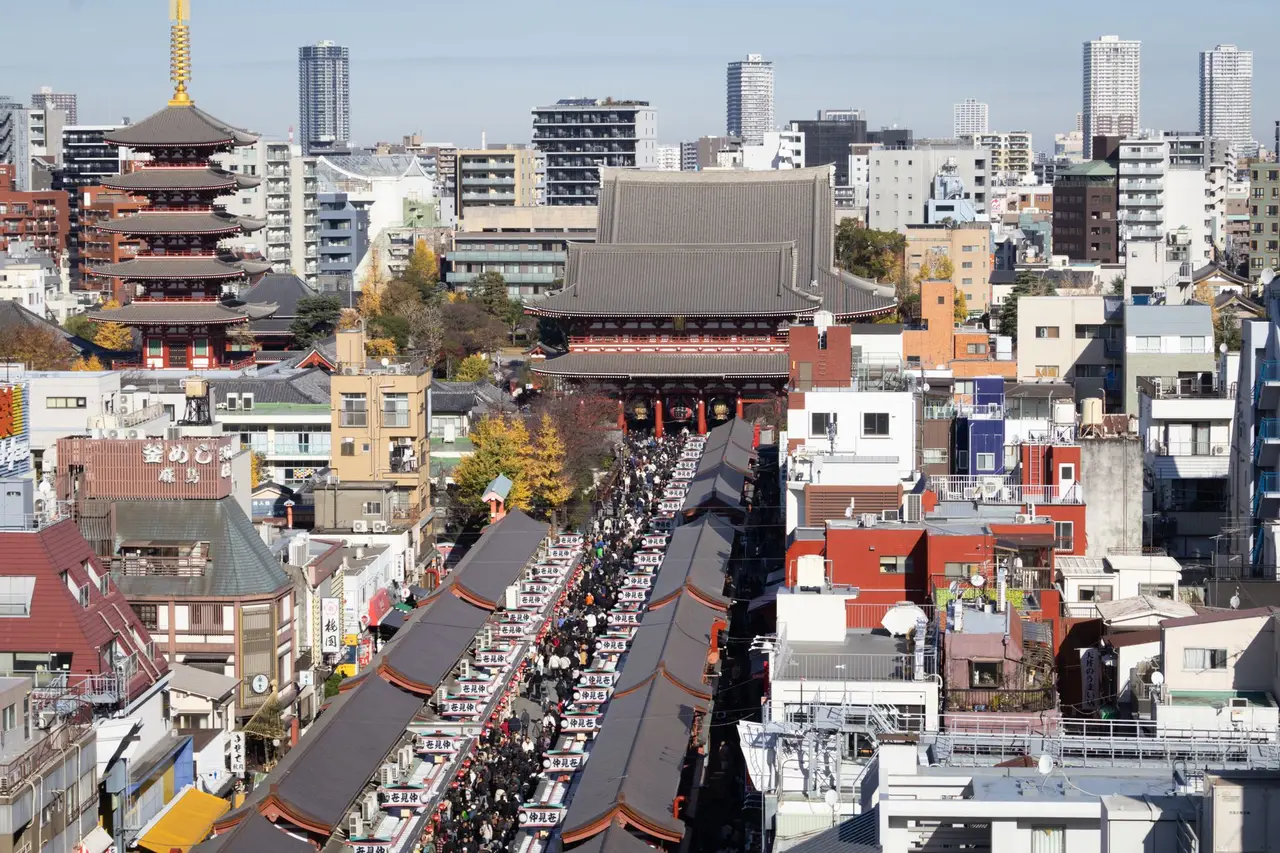
I almost skipped standing sushi because every guide makes it sound like a rushed gimmick. I went anyway to Uogashi Nihon-Ichi, the standing sushi chain I kept seeing near train stations, and that was the meal that changed my whole Tokyo budget mood. I paid about ¥1,800 for a lunch set with tuna, salmon, and a few seasonal pieces, and I was in and out in maybe 20 minutes.
The trick here is not to overthink it. You stand, you order, you eat, you leave. No ceremony. No fake friendliness. I liked that more than I expected, which is rare because I usually assume chain sushi will be fine and forgettable. This was better than fine. Not life-changing, just very good for the money.
Best for: Solo travelers who want a real meal without sitting through a long lunch.
Skip if: You need a slow, lingering dinner experience. This is not that.
My pick: I’d choose a standing sushi lunch over a random ¥2,500 tourist bowl every time.
How to find it: I used the branches near major stations like Shimbashi and Ikebukuro, which made it easy to drop in between neighborhoods. The line moved fast, and that matters in Tokyo because a “cheap” meal stops being cheap when you burn half an hour waiting around hungry.
Conveyor-belt sushi: worth it if you keep expectations normal
I expected conveyor-belt sushi to be a cheap novelty. It kind of is. But I still ate at Kura Sushi because I wanted something fast after a long afternoon walking around Shinjuku, and I paid about ¥1,000-¥1,500 depending on how many plates I grabbed. That’s the whole point: you can control the bill with zero drama.
I liked Kura Sushi more than I thought I would. The fish wasn’t the best I had in Tokyo, and I’m not pretending it was. But the efficiency was excellent, the ordering screen was easy, and I didn’t feel awkward eating alone. I got in, ate six plates, and left without spending mental energy I didn’t have.
Worth it: Yes, if you want cheap, predictable sushi and don’t care about romance.
Skip if: You’re chasing the best fish of your trip. This is convenience sushi, not a splurge.
My pick: Kura Sushi beats paying double for a mediocre sit-down sushi lunch near a major station.
If you only have one sushi meal on the trip, I’d still pick standing sushi over conveyor-belt sushi. But if you’re tired, hungry, and don’t want to think, Kura is easy. I paid with a card, ordered from the screen, and nobody cared that I was dining alone with wet hair from a warm, slightly sticky afternoon. That part felt very Tokyo.
The cheap meal I’d actually seek out again: curry rice in a tiny shop

Japanese curry is one of the few budget meals in Tokyo that never felt like settling. I ate at CoCo Ichibanya once because it was close and easy, then I found a smaller curry shop in Kanda that had a better lunch set for about ¥900. Same general idea, better payoff. That’s the kind of comparison that matters here.
I ordered a pork cutlet curry with a medium spice level, and it was exactly the kind of meal I wanted after a long day of walking. Heavy enough to count as dinner, cheap enough not to hurt, and fast enough that I didn’t lose the evening to a meal. I was seated, fed, and gone in under 25 minutes. Worth it.
Best for: Solo travelers who want one filling meal without paying Tokyo dinner prices.
Skip if: You want something light. Curry is not trying to be subtle.
My pick: I’d take a small curry shop over a chain if the price gap is under ¥300.
The alternative was CoCo Ichibanya, which is useful because it’s everywhere and easy to decode. I rejected it only because the smaller shop had the same lunch format for less money and a shorter wait. CoCo is fine. But if I’m already walking by a local place with a ¥900 set, I’m not paying extra for familiarity.
Depachika bentos: the smartest solo lunch in Tokyo
The basement food halls under department stores are where Tokyo quietly wins. I bought a bento from a depachika in Shinjuku for about ¥1,200, plus a ¥260 bottled tea, and ate it on a bench near the station because I didn’t want another sit-down meal that day. That lunch saved me time, money, and honestly a little sanity.
This is the move when you’re between neighborhoods or just sick of thinking about restaurants. The food counters are absurdly polished, but not in a fake way. It’s just efficient. I picked grilled fish, rice, pickles, and a little side salad. Nothing fancy. Still one of the better meals I had because it solved the exact problem I had: I was hungry now, not after a queue.
Worth it: Very. Especially for solo travelers who don’t want to hunt for a table.
Skip if: You need a hot, made-to-order meal every time. Bentos are grab-and-go.
My pick: I’d choose a depachika lunch over convenience-store food whenever I’m near a big station.
How to find it: look underground or inside department stores near Shinjuku, Tokyo Station, or Ginza. Go around 11:30am if you can. I went closer to 1pm once and the best-looking boxes were thinning out. That wasn’t tragic, just annoying. Tokyo doesn’t wait for indecisive people.
Ramen and udon: the cheap filling stuff that actually earns its reputation
Everyone recommends ramen in Tokyo, and for once the crowd is mostly right. I ate a bowl at a place near Ueno for about ¥950, and it did exactly what I needed after a chilly morning with a cardigan in hand and a tee under it. The weather was around 17-25°C while I was there, so I kept shedding and adding layers all day. Hot noodles made sense.
Ramen is not always the cheapest meal, but it often gives the best cost-per-fullness ratio. I’m not talking about the famous places with an hour-long line and a photo wall. I mean the neighborhood shops where the ticket machine looks slightly intimidating but the meal costs less than a cocktail in a nicer bar. I’d rather do that than pay for a hyped bowl in the middle of a tourist zone.
Best for: Travelers who want one warm, filling meal for under ¥1,000-¥1,200
Skip if: You hate sitting close to strangers or dealing with ticket machines.
My pick: Udon is the cleaner, faster option; ramen is the richer one. I’d choose ramen if I was tired, udon if I wanted to stay light.
One thing I noticed: ramen shops near major sightseeing areas were often more expensive and less satisfying than the ones one or two stops away. That math never works out. I’d walk ten extra minutes for a bowl that wasn’t designed for visitors.
The cheap eats I’d skip even though everyone recommends them
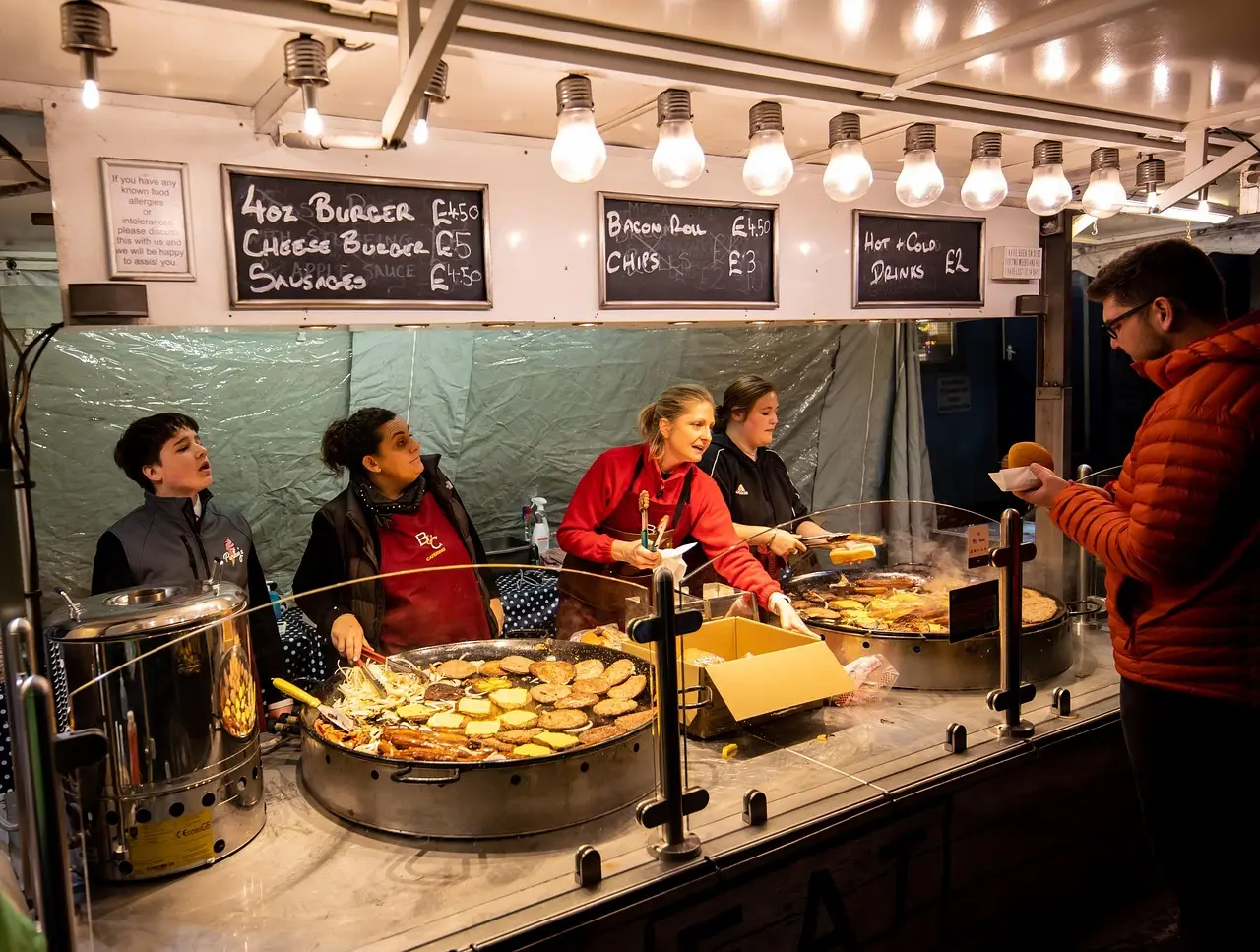
Everyone recommends the famous tourist food streets, and I get why. They’re easy to find, and the photos look good. I’m still telling you to skip a lot of them unless you’re already in the area and hungry enough to ignore the markup. I went to Tsukiji Outer Market expecting a fun breakfast stop. It was mostly overpriced snack stalls, crowded walkways, and food that cost more because people know the name.
I bought tamagoyaki for about ¥500 and a grilled scallop for around ¥900. Both were fine. Not bad. But the whole thing felt like paying for location and crowd control, not quality. I left after about 20 minutes because the best stuff had lines I wasn’t willing to stand in. If I’m paying premium prices, I want more than a photo-friendly lane full of tourists.
Skip it: Tsukiji Outer Market as a meal destination unless you’re there very early.
Worth it: Only for a quick snack if you’re already nearby.
My pick: I’d rather eat a depachika bento or a station curry than do Tsukiji again at peak time.
I figured the market would feel lively in a good way. It mostly felt crowded in a transactional way. That’s the difference. If you want the outside energy and one snack, fine. If you want value, leave.
Food Budget
Rough per person per day estimates from my own meals.
I’d pre-book a food tour through Klook only if I wanted a guided tasting route in a neighborhood I didn’t know well. For most solo food days, I’d rather spend the money on actual meals than on someone narrating a market I can walk through myself.
What I’d do differently next time
I’d eat more lunches and fewer “let’s see what happens” dinners. Lunch sets in Tokyo are where the value is hiding, and I wasted a couple evenings paying more for meals that were only okay. I also would’ve gone to depachika food halls earlier in the trip instead of treating them like backup plans.
I’d also skip Tsukiji entirely unless I was there before 8am. I went later, paid too much, and got exactly the kind of crowded, slightly touristy experience I already knew I didn’t like. That one was on me. Next time, I’d spend that time at a neighborhood curry shop or a standing sushi place near a station.
And I probably wouldn’t overcomplicate cheap food in Tokyo at all. The city is full of straightforward meals that don’t ask much from you. That’s the point.
I booked the food tour through Klook — way cheaper than booking at the counter.
FAQ
Can I eat well in Tokyo on a small budget as a solo traveler?
Yes, I’d call Tokyo very doable on a small food budget if you lean on lunch sets, curry shops, ramen counters, and depachika bentos. I regularly ate well for about ¥900 to ¥1,500 per meal, and I rarely felt like I was scraping the bottom of the barrel. The trick is skipping the obvious tourist stops and eating where commuters eat.
Is it weird to eat alone in Tokyo restaurants?
No, I found it completely normal, and that’s one of the best things about Tokyo for solo travel. Counter seating, standing sushi, and ticket-machine ramen shops make solo dining easy instead of awkward. I ate alone constantly and nobody acted like it was unusual.
What cheap Tokyo meal would I try first if I only had one day?
I’d start with a standing sushi lunch or a depachika bento, depending on where I was in the city. Standing sushi gives you the best “I’m in Tokyo” feeling for the money, while a bento is the fastest and easiest option if you’re moving around a lot. I’d pick the sushi if I had time to stand for 20 minutes.
Are convenience stores actually worth eating at in Tokyo?
Yes, but only as a backup, not as the main event. I used them for drinks, quick snacks, and the occasional onigiri, and they were useful when I was moving between neighborhoods. For an actual meal, I’d still spend a little more on a proper bowl or lunch set.
Which famous food spot would I skip if my time was short?
I’d skip Tsukiji Outer Market unless I got there early and wanted a snack, not a full meal. The prices were higher than they should’ve been, and the crowds made the whole thing feel less worth it. If I only had a short trip, I’d put that time into a neighborhood curry shop or a station-area sushi bar instead.
 Emma Hayes