
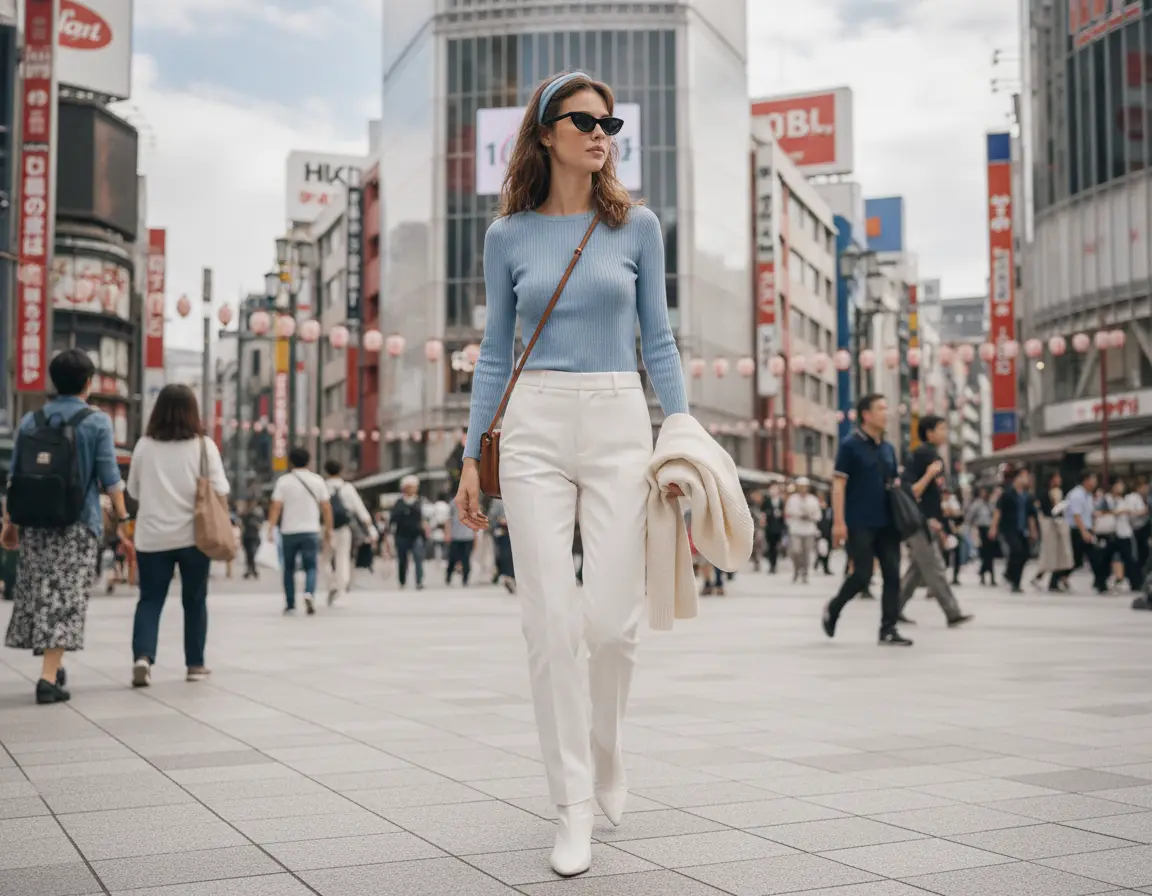
18 hours wasted on Tokyo train mistakes and overplanned neighborhoods. That was my first solo trip here, and most of the waste came from trying to “see Tokyo” the efficient way instead of picking the right base and moving on with my life. My direct answer: yes, Tokyo is one of the easiest big cities I’ve done solo as a woman, but only if you travel with a plan and don’t try to pack every famous district into one day.
It fits first-time solo travelers, women who want reliable transit and lots of food options, and anyone who likes a city that works hard for you. It’s less ideal if you want a tiny, walk-everywhere old-town feel or if you hate crowds, because Tokyo can be orderly and still feel intense. The real decision is not “is Tokyo safe?” so much as “how do I avoid wasting time and money here?”
Tokyo is one of the easiest big cities I’ve done solo as a woman. Stay near Shinjuku, Ueno, or Asakusa, expect about ¥1,000 a day on transport, and around $92 a night for a better-located room.
Quick Answer
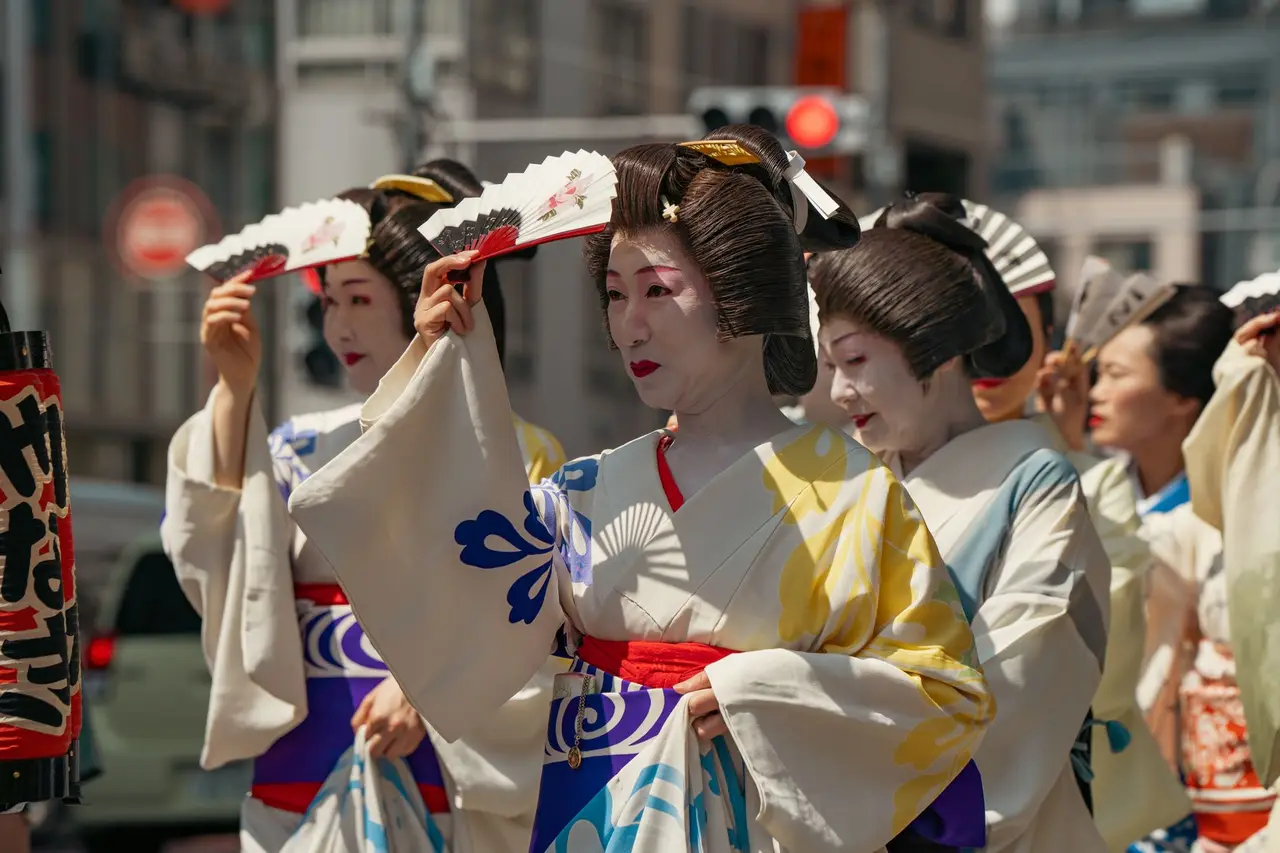
- Tokyo is worth it for solo female travel in 2026 if you want easy transit, late-night options, and a city where being alone doesn’t feel weird.
- I’d pick it over most big cities for a first solo trip because the trains are clear, the convenience stores are actually useful, and I never felt stuck at night.
- Skip the idea of “doing Tokyo properly.” That math never works out. Pick 3-4 areas and let the city be big.
- My main advice: stay near a major station, eat cheap when you can, and don’t waste half your day crossing the city for one overhyped stop.
Why Tokyo works so well for solo women
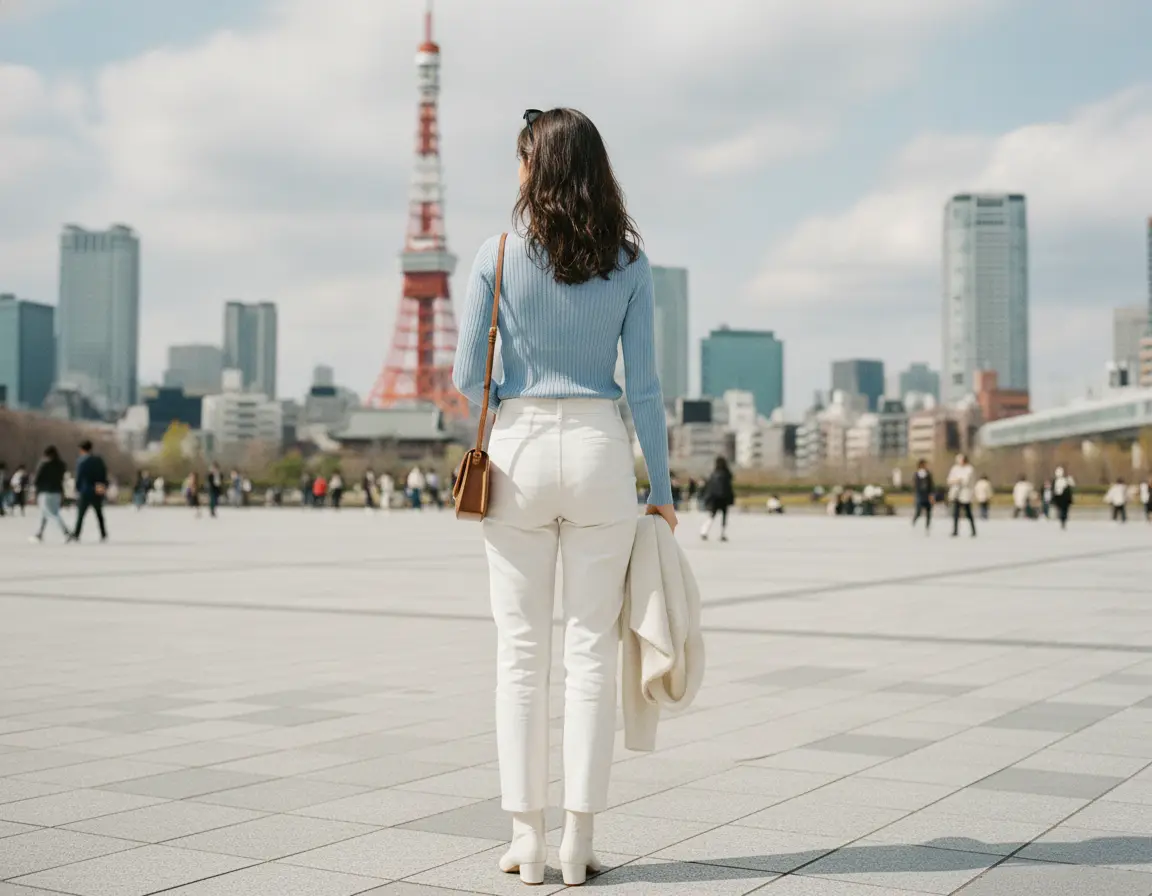
I felt comfortable here fast, and that matters more than people admit. In Shibuya, I was still checking my map with sunglasses on and a cardigan in hand because the morning was warm but the stations were cooler, and nobody cared that I was clearly on my own. That’s the kind of city Tokyo is: busy, yes, but not nosy.
The biggest win is transit. I paid about ¥1,000 a day on average for trains and the occasional short taxi when I was tired or off-route, and that felt fair for how much ground I covered. The Tokyo Metro and JR lines are frequent, signs are easy enough once you stop trying to read everything in one go, and Google Maps got me through most days without drama.
Best for: solo travelers who want independence without constant logistics stress.
Skip if: you need a trip where the charm comes from getting lost in tiny streets all day.
My pick: Tokyo is a strong first solo city because it rewards basic planning instead of punishing you for not speaking Japanese.
Where I’d stay, and where I wouldn’t
I’d stay near Shinjuku, Ueno, or Asakusa again. I had a cheaper hotel in a less central area and a room near Shinjuku Station in front of me, and I went with the pricier one because the commute difference was about 25 minutes each way. That was the right call. I paid around $92 a night, and the extra money saved me from wasting energy every single day.
See current Tokyo hotel prices on Agoda →
Shinjuku is the easiest all-around base if you want late trains, lots of food, and simple connections. It’s noisy, though, and I wouldn’t choose it if I wanted a quiet evening. Ueno is a better budget pick. Asakusa feels calmer and a little more old-school, but you’ll trade some convenience if you’re bouncing around western Tokyo a lot.
I expected the cheapest neighborhood to be “good enough.” It wasn’t. The room itself was fine, but after two long days I realized I was spending too much time dragging myself back from dinner or a second round of errands. I’d pay more for station access before I’d pay more for a bigger room, and I mean that literally.
Best for: Shinjuku if you want convenience, Ueno if you want to save, Asakusa if you want a quieter base with decent transit.
Skip if: the hotel is more than a 10-minute walk from a major station and you’re arriving with luggage.
My pick: I’d book near a major station again, even if the room is smaller and the decor is forgettable.
See all Tokyo hotels on Agoda if you want to compare station-side stays before prices creep up again.
What I actually did in Tokyo at night
I’m picky about nightlife because solo female travel advice gets sloppy here. Tokyo at night is not automatically “fun” just because it’s famous. I liked it most in places where I could eat, walk, and leave without committing to a whole scene. Golden Gai was fine for one drink, but I wouldn’t build an evening around it. The bars are tiny, the prices add up fast, and some places feel more like a performance for tourists than a real night out.
I had a better time in neighborhoods like Shibuya, Ebisu, and around Ueno where I could get dinner, walk for 20 minutes, and still find a train home without stress. One night I paid ¥1,300 for ramen near Shinjuku after 9 p.m. and then just walked back through the station area with a drink from 7-Eleven. That was enough. I didn’t need a big “nightlife experience.”
Worth it if: you like low-pressure nights with food, a short walk, and a clear way home.
Skip if: you only want polished bar-hopping or fancy rooftop drinks every night.
My pick: Tokyo night plans are best when they stay simple. Anything more starts eating your budget.
Safety: what felt easy, and what still needed attention

Tokyo felt safe in the practical way that matters. I was out alone after dark several times, including one evening when I left a convenience store near Ueno with a bottle of tea and walked back to my hotel around 10:30 p.m. I didn’t feel watched, rushed, or cornered. That said, I still paid attention in crowded stations and around nightlife streets, because safety and common sense are not the same thing.
The main issue wasn’t crime. It was fatigue and navigation. At the end of a long day, one wrong platform or exit can turn into a 15-minute detour, and that’s how solo travel starts to feel annoying instead of easy. I’d keep my phone charged, download offline maps, and avoid arriving somewhere new too late if I can help it.
Best for: solo women who want a city that feels manageable after dark.
Skip if: you plan to wander randomly after midnight with no idea how you’re getting back.
My pick: Tokyo is safe enough for solo female travel, but the real win is planning your last move home before dinner.
Food that made sense for one person
Tokyo is excellent for solo eating because nobody blinks when you sit alone. I ate at ramen counters, conveyor-belt sushi spots, and random curry places where the meal ticket machine did half the talking for me. That alone makes the city easier than a lot of places. I paid ¥980 for a solid lunch ramen bowl in Shibuya and ¥600 for a convenience-store dinner on a tired night, and both were fine. Not glamorous. Fine.
I’d skip hotel breakfasts almost every time. They’re rarely worth the markup here, and Tokyo is too easy for grabbing something better nearby. Lawson, 7-Eleven, and FamilyMart all saved me when I didn’t want to sit down for a full meal. The best food days were the ones where I mixed one proper meal with cheap snacks instead of pretending every meal needed to be an event.
Best for: solo travelers who want to eat well without turning every meal into a reservation.
Skip if: you only want sit-down restaurants with English menus and big portions.
My pick: Tokyo is one of the easiest cities I’ve eaten alone in, and the convenience stores are better than they have any right to be.
What I’d do with three days, five days, or a week
If I only had three days, I’d keep it tight: one western Tokyo day, one east Tokyo day, one slower neighborhood day. I would not try to cross the whole city twice in a day just because a blog made it sound efficient. I’ve done that. It isn’t. The train time looks small on paper and somehow eats the whole afternoon.
With five days, I’d add a day trip only if I already felt solid in the city. With a week, Tokyo opens up more, but I’d still keep one day intentionally empty. I learned that the hard way after stacking too many “easy” stops into one schedule and ending up tired by 3 p.m. A slow coffee stop in Kiyosumi-Shirakawa or a long lunch in Yanaka is worth more than a rushed checklist day.
I figured I’d love every famous district equally. I didn’t. Shibuya was useful, Asakusa was calmer, and Harajuku was the one I left fastest because it was more crowded than fun by late morning. That surprised me, and it reminded me to trust my own pace instead of the internet’s.
Best for: travelers who like structure with room to wander.
Skip if: you’re trying to “cover” Tokyo in a single weekend.
My pick: I’d rather do fewer neighborhoods well than collect a bunch of half-days across the city.
The mistake I made with transport
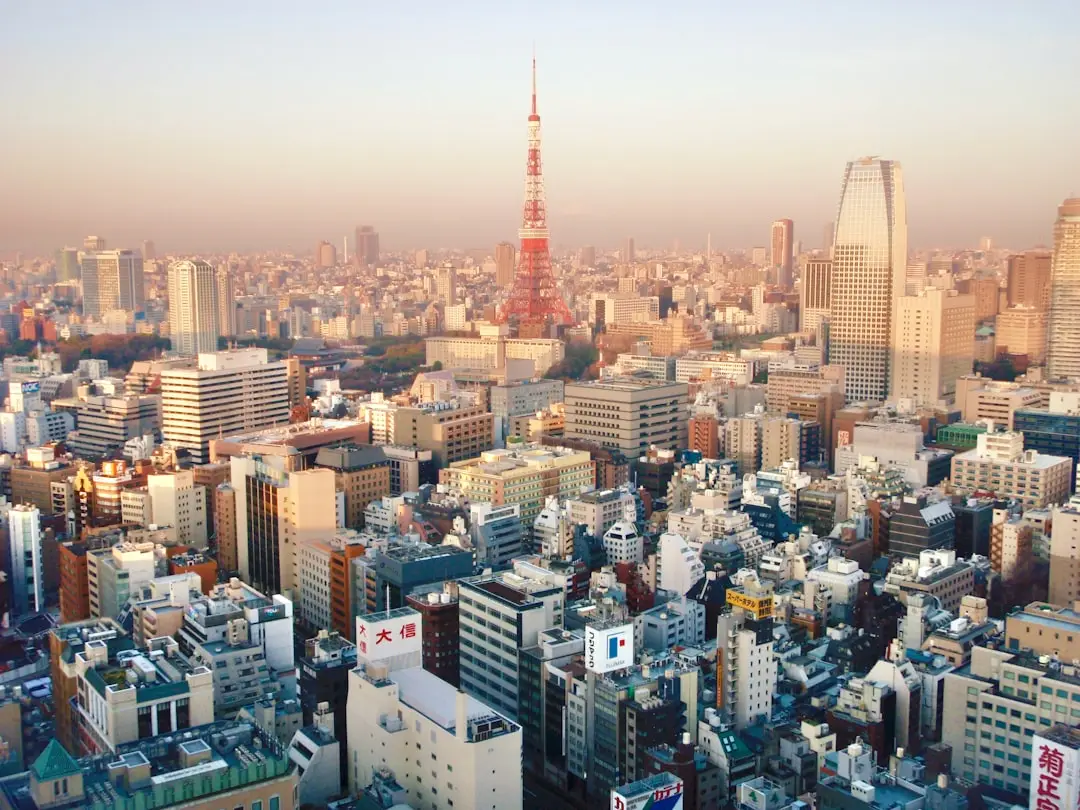
I thought I could save money by staying farther out and just “using the trains more.” That sounded smart until I was standing on a platform near Ikebukuro with a backpack, a tote bag, and no interest in another transfer. The trigger was a rainy-looking morning and a hotel that looked cheap on paper but added too much friction every time I left.
The consequence was real: I lost roughly two hours over the first couple of days, plus the mental tax of coming back late and tired. I also spent extra on one taxi when I was too drained to figure out a longer route, which wiped out part of the savings anyway. Next time I’d pay more for a better base and stop pretending transit time doesn’t count as a cost.
Best for: travelers who value time more than shaving a few dollars off the nightly rate.
Skip if: you enjoy long commutes or plan to stay in one area almost the whole trip.
My pick: central access is the smarter spend in Tokyo, not a luxury splurge.
Rough daily estimates from my own trip. Prices shift by season.
What I’d do differently next time
I’d book a better-located hotel first and save on room size later. I’d also stop trying to fit in one more neighborhood at the end of the day just because the map makes it look close. And I’d keep more dinner plans flexible, since the best Tokyo meals for me were the ones I stumbled into after I was already hungry.
I’d also bring a slightly lighter day bag. I don’t know why I kept overpacking it for a city with so many convenience stores and lockers. That was on me.
My final take on Tokyo for solo female travel
Tokyo is one of the best big cities I’ve done alone because it’s easy to move through and hard to get stuck in. I’d go back, but I’d do it more strategically: better base, fewer transfers, less ambition per day. The city works when I stop trying to win it.
Best for: solo female travelers who want safe-feeling transit, easy solo meals, and a city that rewards decent planning.
Skip if: you want a compact, slow, romantic city where the whole point is wandering without a schedule.
Next time: I’d stay closer to a major station, cut one crowded neighborhood, and spend the saved time on food instead.
I usually book Tokyo tours on Klook — the best time slots go fast, especially in peak season.
FAQ
Is Tokyo good for a first solo trip as a woman?
Yes, Tokyo is one of the easiest first solo trips I’d recommend. The trains are reliable, solo dining is normal, and I never felt like I had to explain myself for being alone. I’d still plan my hotel location carefully, because the city is easier when you’re not dragging yourself across it every night.
What area did you feel best staying in alone?
Shinjuku was the most convenient, and I’d book there again if I wanted the simplest logistics. Ueno was calmer and cheaper, which worked better on days when I didn’t care about nightlife. I’d avoid staying too far from a major station, even if the nightly rate looks tempting.
Did you ever feel unsafe using trains late at night?
No, I felt fine on late trains in Tokyo. I was more concerned with being tired and missing the right exit than with personal safety. I still tried to head back before the very last rush of the night, because a sleepy solo traveler makes worse decisions.
How much did you spend on food when traveling alone?
I usually spent about $18 to $35 a day on food in Tokyo. A ramen lunch for around ¥980 and a convenience-store dinner for about ¥600 kept costs low without making me feel deprived. I’d pay more for one good meal and keep the rest simple.
Is Tokyo still worth it if I only have a weekend?
Yes, but only if you keep your plans tight. I’d focus on two or three neighborhoods and skip the urge to cross the city for every famous spot. A short Tokyo trip works best when you choose convenience over coverage, because the transit time adds up fast.
 Emma Hayes