
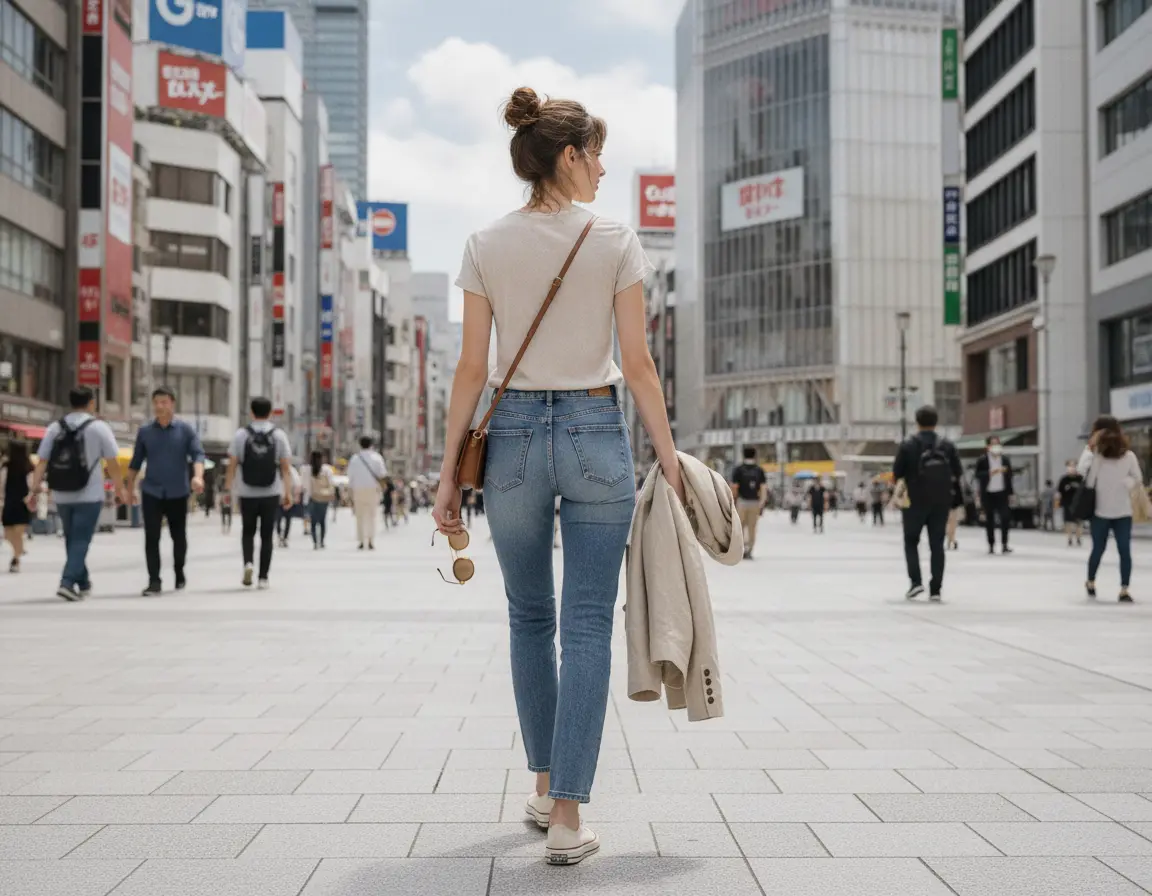
I did this wrong the first time. I treated Tokyo like a city you “see” by wandering, then burned half a day zigzagging between neighborhoods and paying for random snacks because I hadn’t planned the free stuff well enough. The second time, I mapped the day around a few no-cost anchors and the trip got easier fast.
My answer is simple: the best free things to do in Tokyo are the ones that give you a real neighborhood day, not just a checklist. This works if you’re on a budget, you like walking, and you don’t need every stop to be a monument. It’s less useful if you only have one rushed day and want the classic paid attractions instead. What matters most is transit time and whether the stop actually saves money, because Tokyo can chew through your budget in tiny, annoying ways.
Best for: travelers who want a full Tokyo day without spending much beyond food and transit.
Skip if: you hate walking or need a packed sightseeing schedule with tickets and timed entries.
My pick: I’d build the day around Meiji Jingu, the Tokyo Metropolitan Government Building, and one neighborhood walk, then keep the rest flexible.
Day by Day
Day 1: Meiji Jingu, Harajuku, and a Shibuya Walk

This is the cleanest first day I know in Tokyo. It’s free, easy to string together, and it gives you a real contrast: quiet shrine grounds, loud fashion streets, then the chaos around Shibuya. I’d do this on a first or second day because it doesn’t require much planning, just decent shoes and a little patience.
I started at Harajuku Station and walked into Meiji Jingu in about 5 minutes. The shrine grounds are free, and that matters because the real cost here is time, not money. I spent around 45 minutes inside, mostly because I slowed down once I got away from the street noise. The morning was warm, around 17–25°C, so I had my jacket in hand by the time I reached the gravel path.
From Meiji Jingu, I walked to the edge of Yoyogi Park in about 10 minutes. That part is also free, and I’d call it worth it if you want a breather before Harajuku. It’s not some grand destination. It’s just a place to sit, watch runners, and stop buying things for a minute.
Then I headed to Takeshita Street, which is free to walk through but easy to overspend in. I bought a crepe for about ¥600 once and regretted nothing except the line. The street itself is fine, not great. It’s worth seeing once if you want the teeny-tiny Tokyo chaos, but I wouldn’t build a whole day around it.
From Harajuku to Shibuya, I usually walk in 20–25 minutes, depending on how many times I stop for photos or get nudged into a side street by the crowd. If I’m tired, I take the JR Yamanote Line one stop from Harajuku to Shibuya. That costs about ¥140 and takes roughly 2 minutes on the train, plus waiting time. I’ve done both, and I’d walk if the weather is decent. The train is only worth it when my feet are already protesting.
In Shibuya, the free thing is the crossing and the surrounding streets. I know that sounds obvious, but the crossing is one of those places where the money trap is everything around it: cafes, decks, souvenir stores, and overpriced rooftop views. I’d rather stand on street level, watch the scramble for 10 minutes, and leave. The Shibuya Sky ticket can be great, but it’s not free, and if you’re trying to keep this day cheap, skip it.
Worth it: if you want a first-day Tokyo route that feels full without paying entry fees.
Skip if: you’ve already done a lot of shrine-and-shopping streets in another city and want something less obvious.
What I’d cut first: Takeshita Street if you’re short on time. Meiji Jingu and the Shibuya walk are the stronger pair.
Day 2: Government Views, Quiet Streets, and a Cheap Lunch

This is the day I’d keep if I wanted one real view without paying tower prices. Tokyo has a lot of paid observation decks, and most of them are expensive enough that I start doing annoying mental math. The Tokyo Metropolitan Government Building is free, which makes it one of the easiest value wins in the city.
I took the Toei Oedo Line or JR to Shinjuku and walked about 10 minutes to the building. The observation deck is free, and I stayed around 30 minutes the last time because the view was good enough to justify the stop but not so dramatic that I felt glued to the window. I expected it to feel like a budget compromise. It didn’t. It was clean, efficient, and better than paying ¥2,000–¥3,000 for a deck just to stand in a line with everyone else.
Best for: travelers who want a skyline view without paying for a ticket.
Skip if: you only care about sunset views from a famous deck and don’t mind the price.
My pick: I’d choose this over a paid tower if I’m already spending on dinner later.
After that, I’d walk through Shinjuku Gyoen’s outer area or just move through the smaller streets west of the station. The park itself has a paid entry, so I’m not putting it in a free-only day. Still, the surrounding area is useful if you want a quieter stretch before lunch. I grabbed a simple curry set near the station for about ¥1,000, which is the kind of lunch that keeps a budget day from turning fake-cheap and miserable.
If you want another free stop nearby, head to the Tokyo Metropolitan Government Building first, then walk through the west side of Shinjuku. It’s not pretty in the polished sense. It’s useful. That’s different. I’d rather have that than another overhyped rooftop with a 45-minute wait.
One thing I got wrong here: I assumed Shinjuku would be all noise and no payoff, so I almost skipped it outside the station area. I was off. The back streets were calmer than I expected, and the contrast made the free observation deck feel more earned. If you only have one day in central Tokyo, this is still worth it.
Worth it: if you want the city view without ticket fatigue.
Only if: you’re already in Shinjuku and don’t mind a little walking between stops.
Skip if short on time: any extra wandering after the observation deck. The view is the point.
Day 3: Asakusa, Sumida River, and Old Tokyo on Foot

Asakusa is where I’d go when I want something that feels more old-school without paying for it. Sensō-ji is free, Nakamise Street is free to walk, and the riverfront gives you a decent low-cost afternoon if you don’t try to turn it into a shopping mission.
I usually get there by Tokyo Metro Ginza Line to Asakusa Station. From central Tokyo, it’s often around 15–25 minutes depending on where you start, and the fare is usually about ¥180–¥250
I spent about 40 minutes at Sensō-ji itself, mostly because the grounds are busy and I’m not a fan of standing still in crowds. The temple is free, but the surrounding stalls can quietly eat your money. I bought a 100-yen drink once because I was thirsty and didn’t want to be the person paying airport prices for water in the middle of the day. Fine, not great, but practical.
Nakamise Street is the part everyone photographs, and I think it’s worth walking once. I wouldn’t shop hard there. The prices are higher than they should be for souvenirs, and the whole street feels built for people who are already holding a camera and a snack. If you want a better deal, grab something simple from a convenience store a block away and keep moving.
From the temple, I’d walk to the Sumida River in about 10 minutes. The riverside is free, and it’s a good reset after the crowds. I sat there for 20 minutes once with a jacket in my lap and watched boats move under the bridge. Nothing dramatic happened. That was the point.
If you have extra time, the walk toward Tokyo Skytree is easy, but I’d keep expectations in check. Skytree itself isn’t free, and the area around it is more about shopping than hanging out. I’d only go if you already want to see the tower from outside or need a longer walk. Otherwise, Asakusa plus the river is enough.
Best for: people who want a quieter, more traditional-feeling half day without spending on entry fees.
Skip if: you hate crowds, because Sensō-ji can get packed fast.
My pick: temple first, river second, shopping last. Or skip the shopping entirely.
Day 4: Parks, Markets, and the Free Tokyo I’d Repeat

This is the day I’d use when I’m tired of buildings and want to slow down without paying for a museum. Tokyo has a few places where the city feels less compressed, and this is the easiest day to keep cheap while still feeling like you did something. I’d put Ueno Park in this slot, then add nearby streets or a market if the timing works.
I took the JR Yamanote Line to Ueno, which is usually around ¥180–¥220 from central areas and about 10–20 minutes depending on where I started. The park itself is free, and I’ve spent anywhere from 30 minutes to 2 hours there depending on whether I’m in a hurry. If you only have one stop, make it the park and skip the rest.
Ueno Park is not glamorous. It’s practical, which is better. There are museums inside the park that cost money, so I’m not counting those here. But the walking paths, pond edges, and open space are free, and they break up a Tokyo trip nicely. I bought a canned coffee from a vending machine for about ¥160 and sat for a bit. That was the whole plan. It worked.
If it’s a market day or you want more street energy, I’d walk toward Ameyoko in about 10 minutes. Ameyoko is free to browse, though it’s much better for cheap snacks than for actual shopping. I’ve had grilled skewers there for around ¥400–¥700 and skipped the nicer-looking stalls because the prices climbed fast. That street is worth it if you want lunch on the cheap. It’s not worth it if you’re hunting for a calm stroll.
I expected Ueno to feel like a filler stop. It mostly didn’t. The park turned out to be one of the few places in Tokyo where I could slow down without losing the day. That matters more than it sounds like it should.
Worth it: if you need a lower-energy day that still feels like part of the trip.
Skip if: your trip is only 2 days and you care more about iconic neighborhoods than downtime.
What I’d skip first: extra wandering through Ameyoko if you’re not hungry. The park is the better free stop.
Cost Breakdown

If I had to compress Tokyo into one budget-friendly day, I’d do Meiji Jingu in the morning, Shibuya at midday, and the Tokyo Metropolitan Government Building late afternoon. That route keeps transit simple, and I’m not paying for anything just to say I saw it. I’d eat a convenience-store breakfast, grab a cheap lunch around Shinjuku or Harajuku, then save dinner for wherever I end up.
Here’s the rough cost if you keep it disciplined: transit around ¥500–¥900 for the day, food around ¥1,500–¥2,500 if you stay away from the shiny stuff, and entry fees at zero if you skip the paid viewpoints and museums. That’s the kind of Tokyo day I can live with. Not luxury. Not miserable. Just efficient.
Best for: a first-time traveler who wants Tokyo without turning it into a spending contest.
Skip if: you want a museum-heavy or architecture-heavy day, because this route is mostly neighborhoods and walking.
My pick: this is the free Tokyo day I’d repeat before any “top 10” list route.
Rough daily estimates from my own trip. Prices shift by season.
Transport Tips

I made one dumb choice on my first Tokyo budget day: I kept assuming the next free stop would be “just around the corner,” so I didn’t map the transfers properly. The trigger was simple. I left Shibuya thinking I could casually walk to another area I’d saved, then realized I was adding 30-plus minutes I didn’t really want, plus a train fare I hadn’t planned for. That cost me about an hour and around ¥200–¥300, which isn’t huge, but it broke the rhythm of the day.
What I’d do now is group stops by train line or by walkable cluster. Meiji Jingu, Harajuku, and Shibuya go together. Asakusa and the Sumida River go together. Ueno and Ameyoko go together. That sounds obvious now, but I had to learn it the annoying way.
Worth it: planning around transit clusters instead of just saving random free places on a list.
Skip if: you’re the kind of traveler who likes improvising every single stop. Tokyo punishes that a little.
Next time: I’d choose one neighborhood per half day and stop trying to squeeze in “just one more” free attraction.
What I’d Do Differently
I’d stop treating free stops like filler. In Tokyo, the free stuff is often what makes the day work, especially if you’re trying not to spend every hour in a ticket line. I’d also carry fewer “maybe” plans. One or two free anchors is enough.
I’d eat more convenience-store meals on purpose, too. That sounds unglamorous because it is, but a ¥300–¥500 lunch from a 7-Eleven or Lawson buys you more time than sitting down somewhere overpriced near a tourist zone. And I’d check the last train earlier than I think I need to. Tokyo is easy during the day. Late-night logistics are a different story.
Where I’d Actually Stay in Tokyo

Hotel Sunroute Plaza Shinjuku
Tokyo
★★★★☆

Shibuya Excel Hotel Tokyu
Tokyo
★★★★☆

Asakusa View Hotel
Tokyo
★★★★☆
For Tokyo I used Agoda — they had the best rate for my dates.
I pre-booked on Klook the night before — skipped the entire ticket line.
FAQ
Can I do Tokyo cheaply without feeling like I’m missing everything?
Yes, I can do Tokyo cheaply and still have a full day. The trick is using free neighborhoods and one paid meal instead of trying to “save” money on every single decision, which usually backfires. I’d budget around $20–$40 for a very lean day, not counting accommodation.
Is Shibuya worth it if I’m not into shopping?
Yes, Shibuya is worth it even if I don’t shop. I go for the crossing, the people-watching, and the fact that it’s easy to pair with Harajuku or a nearby train stop. I’d spend 30–60 minutes there, then leave before the area starts eating my budget.
What free area in Tokyo would you skip first?
I’d skip random “just walk around” plans before I’d skip a specific neighborhood. Tokyo is too spread out for vague wandering to feel efficient, and I learned that the hard way after wasting nearly an hour once between stops. If I only had one free block, I’d pick Asakusa or Meiji Jingu instead.
Is the Tokyo Metropolitan Government Building actually worth the time?
Yes, it’s worth the time because it’s one of the few skyline views in Tokyo that doesn’t cost anything. I spent about 30 minutes there, and that was enough to make it feel useful without turning it into a whole afternoon. If you already paid for a major observation deck, I’d skip this one, but for a budget trip it’s an easy win.
How many free attractions can I fit into one day without rushing?
Three is my limit if I want the day to stay pleasant. I’d do one morning stop, one midday neighborhood walk, and one late-afternoon view or park, then stop pretending I’m going to “fit in one more.” Tokyo rewards fewer, better-matched stops more than a stuffed itinerary.
 Emma Hayes