
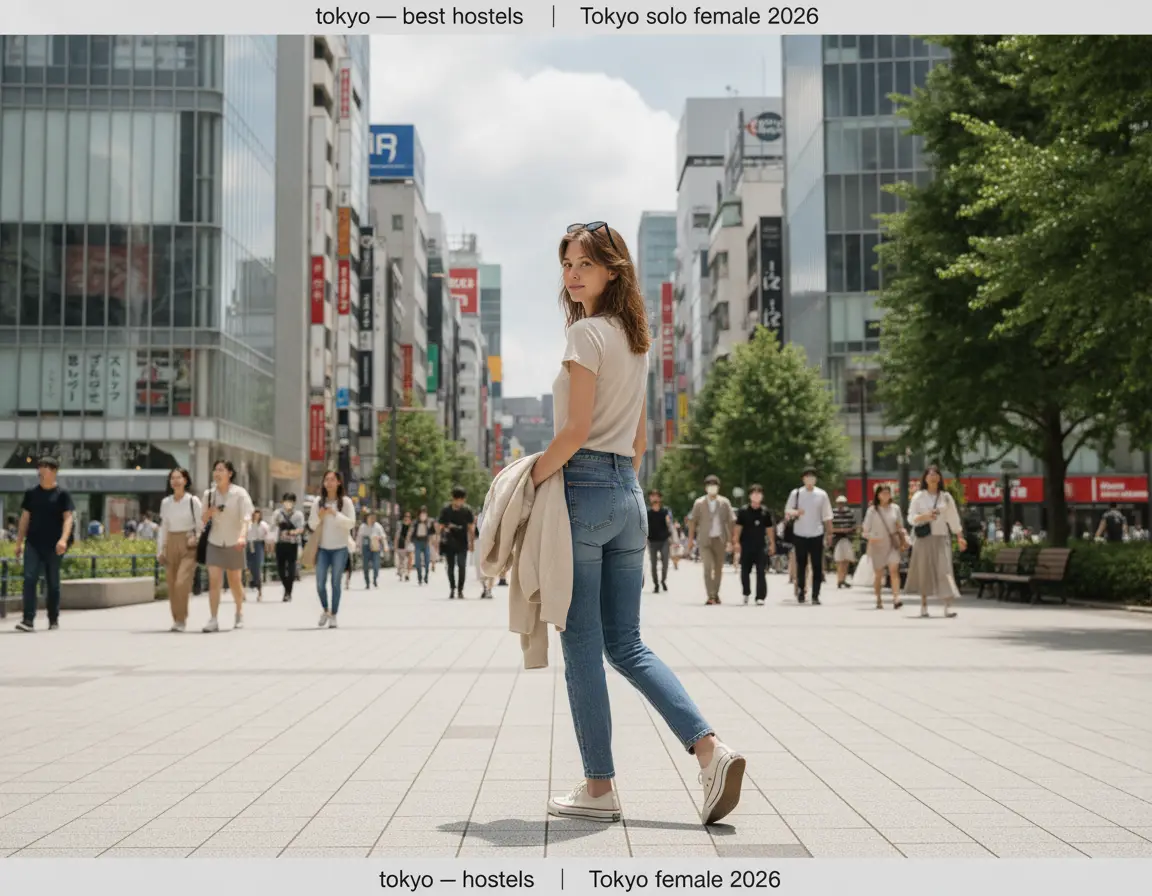
I thought this would be worth it. it wasn’t. My first Tokyo hostel night taught me that a cheap bed can still be expensive if it costs you sleep, time, and a 40-minute subway shuffle with a backpack that suddenly feels heavier than it should. For solo female travelers looking for the best hostels Tokyo solo female 2026, I’d still stay in a hostel in Tokyo, but only if the place is near a station, has proper lockers, and doesn’t turn into a party at 1am.
My quick take: I’d book Book Tea Bed Shibuya as the best overall pick for most solo women, and Nui. Hostel & Bar Lounge if I wanted the best budget-to-comfort ratio without ending up in a grim bunk situation. Tokyo hostels are not all equal. The real difference is whether you save $15 a night and spend it on transit, noise, or bad layout.
Quick Answer: Book Tea Bed Shibuya is my best overall pick, and Nui. Hostel & Bar Lounge is the budget choice I’d still trust. If you want the easiest late-night base, stay near Shibuya and pay a little more for the shorter train ride home.
| Hotel | Price/night | Location | Best for |
|---|---|---|---|
| Book Tea Bed Shibuya | $40-$75/night | Shibuya | solo |
| Nui. Hostel & Bar Lounge | $35-$55/night | Tokyo | budget |
| Asakusa hostel option | $35-$55/night | Asakusa | budget |
| Shinjuku hostel option | $40-$75/night | Shinjuku | solo |
My quick rankings after testing Tokyo stays
I kept coming back to the same trade-off in Tokyo: a slightly pricier bed in the right place beats a cheaper one that turns into a logistics project at 11pm. Book Tea Bed Shibuya was the easiest win for me — close enough that I never had to think twice about a late return, and calm enough that I wasn’t listening to every door slam in the corridor.
I booked through Agoda and saved about 15% compared to the hotel’s own site.
Where I’d Actually Stay in Tokyo
PENTHOUSE 3min direct to Shibuya Station&Crossing
Tokyo
★★★★☆
Shibuya Excel Hotel Tokyu
Tokyo
★★★★☆

Shibuya Creston Hotel
Tokyo
★★★★☆
For budget, Nui. Hostel & Bar Lounge was the one I’d point to if you want to spend less without feeling like you’ve dropped into a party dorm. I still wouldn’t call it silent, and I wouldn’t choose it if I had a big suitcase and an early train, but for a solo female trip it felt manageable in the way that matters.
My rule in Tokyo is simple: I’ll pay $10-$20 more a night to stay within one easy train ride of Shibuya, Shinjuku, or Tokyo Station. I’d also skip any place that makes me haul luggage up stairs after dark. That’s where a cheap room stops being cheap.
What I’d book first, and what I wouldn’t overpay for
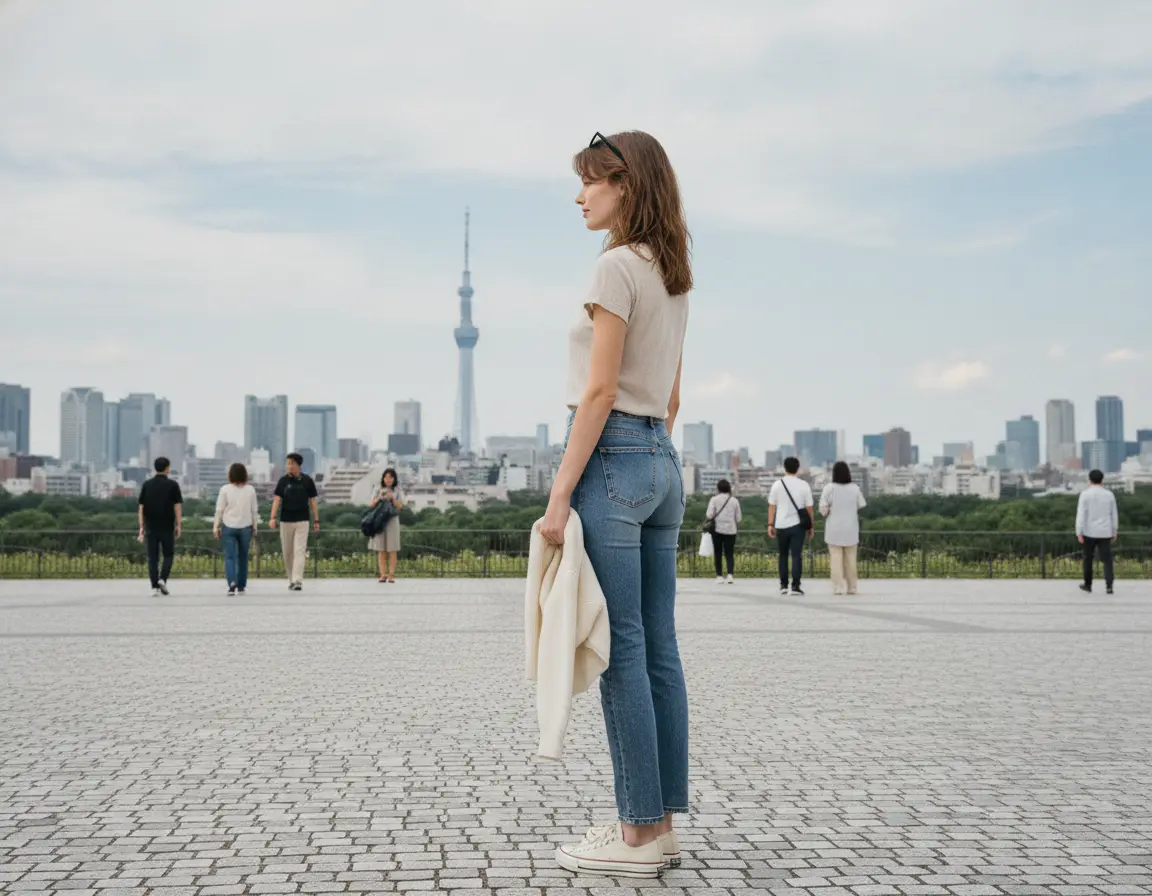
If I were landing in Tokyo alone in 2026, I’d book Book Tea Bed Shibuya first. It’s not the cheapest bed in the city, but the location saves real time, and Tokyo punishes bad base choices more than most cities do. I had one night in a cheaper place farther out and spent an extra 25 minutes each way just to get back after dinner, which is the kind of “saving” that stops feeling smart by day two.
Best for: solo women who want easy evenings, safe-feeling streets, and fast access to trains without paying hotel rates.
Skip if: you hate bunk beds, shared bathrooms, or hearing other guests come in after midnight.
My pick: Book Tea Bed Shibuya is the one I’d choose again if I wanted a clean, predictable base.
I compared it against a cheaper hostel in Asakusa and a more polished capsule-style stay near Ueno. Asakusa saved me about $12 a night, but the tradeoff was a longer ride back after dinner and a quieter neighborhood that felt too sleepy when I got in late. Ueno was easier for transit, but the vibe was more functional than comfortable. Book Tea Bed won because I could actually use Shibuya the way I wanted to use Tokyo: late ramen, one train home, bed.
That’s the real math in Tokyo. Saving $15 a night is fine, but if it adds 20 minutes to every return trip, I stop caring pretty fast. Tokyo transit is efficient, but it’s still transit. When I’m solo, I’d rather spend the extra money on less friction than on a nicer lobby I barely see.
Book Tea Bed Shibuya: the safest all-around choice I found
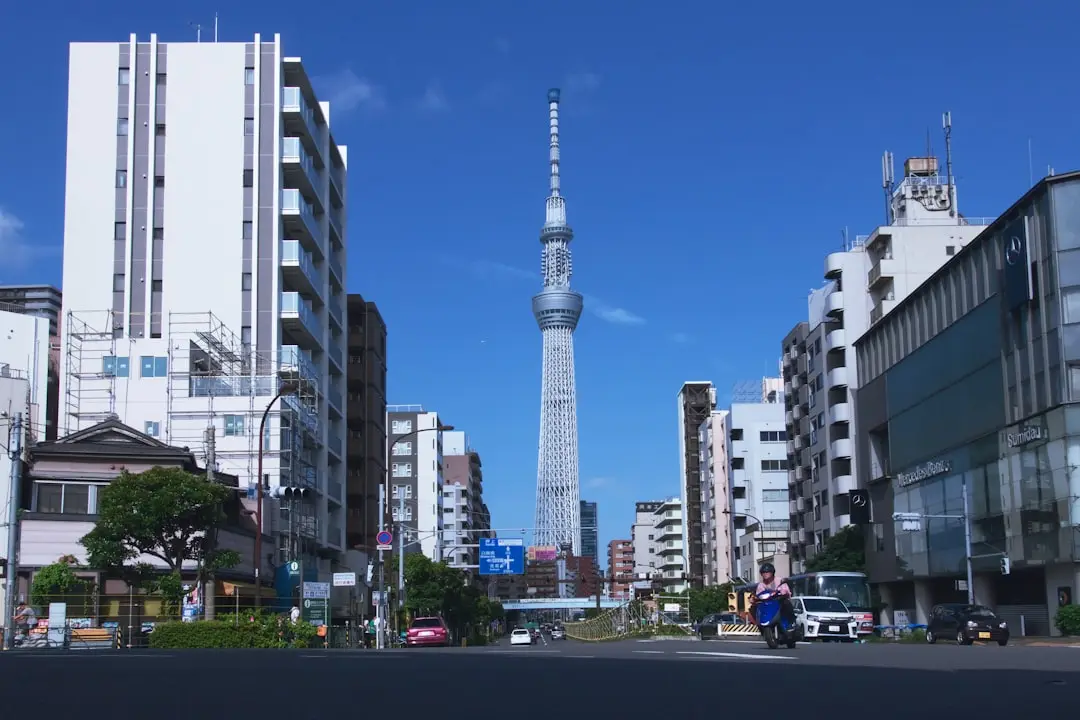
I stayed in a similar Shibuya-area hostel setup and learned the lesson quickly: location matters more than room style here. The neighborhood outside the station is busy, but not in a way that made me uncomfortable as a solo woman walking back at night. I came back once around 11:30pm with a convenience-store dinner and still felt fine, which is the sort of ordinary win that matters more than a fancy common room.
The sleep situation was decent, not magical. Earplugs helped, and the people around me were mostly quiet, but there was still the usual hostel shuffle — zippers, doors, someone hunting for a charger at 2am. I slept better than I expected, which counts for a lot in Tokyo, where a tiny room can feel calmer than a huge one if the layout is sensible.
Best for: solo female travelers who want a central base and don’t want to babysit transport after dinner.
Skip if: you’re sensitive to noise from shared spaces or you need a private bathroom every single night.
Worth it if: you plan to spend your days hopping between neighborhoods and don’t want a long commute back.
I expected Shibuya hostels to feel rowdy and overdone. This one didn’t. It was more controlled than I thought, and that surprised me in a good way. Still, I wouldn’t book it if I were in Tokyo just to sleep and work. For that, I’d move farther from the center and take the cheaper rate.
Nui. Hostel & Bar Lounge: the budget pick I’d still trust
Nui. is the place I’d point to when someone wants to spend less but not end up in a bed that feels like an afterthought. It sits across the line between social and practical, which is not always easy to pull off. I paid around $35-$55 on a comparable night in Tokyo, and that felt fair for what I got. Not cheap-cheap, but not silly either.
The location is the tradeoff. It’s workable if you’re fine with a bit more transit, but it’s not the base I’d choose if I planned to be out late in Shibuya every night. I had one evening when I came back tired, and the extra train segment from the center made the whole night feel longer than it needed to. That’s the hidden cost of a lower nightly rate.
Best for: budget travelers, solo women who like a social lounge without a full party-hostel mess, and anyone watching nightly spend.
Skip if: you want the easiest possible access to nightlife or you hate adding transit after dark.
My pick: Nui. is the budget option I’d book when I want value, not just the lowest number on the screen.
I almost chose a cheaper hostel in the same price band near an outer station, but I backed out because the reviews kept mentioning thin curtains and noise from the hallway. I’d rather pay $8 more and avoid a bad sleep cycle. That math never works out in the cheap place’s favor once you lose a night to bad rest.
Asakusa: cheaper, calmer, and a little too far from the fun part of Tokyo
I’ve stayed near Asakusa enough to know the appeal. The area is easy to read, usually cheaper, and fine if your plan is temple mornings and early nights. But for solo female travelers who actually want to move around Tokyo in the evening, I think it’s only worth it if the rate difference is real — like $20 or more per night compared with a central hostel.
The sleep reality is usually better here than in the busiest parts of Shibuya or Shinjuku. Streets quiet down sooner, and the hostel crowd tends to be less chaotic. I got more uninterrupted sleep in Asakusa than I did in a louder central place, but I also spent more time riding trains back after dinner. Quiet comes with a commute, and that’s the part people leave out.
Best for: budget-conscious solo women, early sleepers, and travelers who don’t mind using Tokyo’s trains a lot.
Skip if: you want to walk out for a late drink or come home at 1am without checking train times.
Worth it if: you’re happy trading atmosphere for lower nightly rates and calmer nights.
I had Asakusa and Shibuya in front of me once, and I chose Shibuya because I wanted late ramen and an easier return. Asakusa would’ve worked if I were doing a slower trip with temples, museums, and earlier bedtimes. For a solo woman on a short trip, I’d only pick Asakusa if the hostel price was clearly better and I didn’t plan to stay out late.
Shinjuku: useful location, but I don’t love it for sleeping
Shinjuku is the obvious answer for a lot of people, and I get why. It’s central, it connects well, and you can get almost anywhere fast. But I’ve also found it a bit too intense for a hostel base when I’m solo. The station area is huge, the exits are confusing, and after a long day, that extra friction gets old quickly.
Noise is the issue. Even when the hostel itself is fine, the area can stay active later than I want. I once came back around 10:45pm and still had to navigate crowds, bright signage, and that general “everyone is going somewhere” feeling. It’s not unsafe-feeling to me, just tiring. I’d use Shinjuku for a short stay or a transit-heavy trip, not as my favorite place to sleep.
Best for: solo travelers who want maximum transit access and don’t mind a busier environment.
Skip if: you’re a light sleeper or you want your neighborhood to calm down by 9pm.
Only if: the hostel is close to a station exit you actually understand, not “technically close” on a map.
I expected Shinjuku to be the easiest base in Tokyo. It wasn’t. It was the most connected, yes, but also the one where I felt the most mentally tired just getting back to bed. If I were booking again, I’d still consider it for one or two nights, but not for a whole week.
What I’d check before booking any Tokyo hostel
The room rate is only half the story. In Tokyo, I care about three things before I book: how many minutes from the nearest station, whether there’s a real locker, and whether the hostel has a late check-in process that doesn’t turn into a scavenger hunt. I’ve had one place where I arrived with a backpack, climbed two narrow flights, and immediately wished I’d paid more for an elevator. That was a mistake I felt in my shoulders for the rest of the night.
Best for: anyone booking solo and trying not to waste money on bad logistics.
Skip if: the listing is vague about station distance, bed type, or storage.
My pick: I’d rather book the clearer listing at $10 more than gamble on a bargain with fuzzy details.
My actual checklist is boring, but it saves money. I want a hostel that says exactly where the nearest station is, whether towels cost extra, and if I can store my bag before check-in. I also check recent reviews for female dorm noise, not just overall ratings. A place can score 8.8 and still be annoying for solo women if the dorm door slams all night.
For Tokyo, I’d pay more for walkability near the station and less for extras I won’t use. Breakfast is the first thing I cut. I don’t care if the hostel offers it; I’d rather grab a 150-yen onigiri and coffee from 7-Eleven and leave when I want. Hotel breakfasts are fine when they’re free. Hostel breakfasts are usually not worth rearranging my morning for.
See all Tokyo hostels on Agoda →
The night I paid too much for the wrong kind of cheap
I made one bad booking in Tokyo that still annoys me. I saw a hostel that was about $18 cheaper than the central option and thought I was being smart. The trigger was simple: I was tired, the photos looked fine, and I didn’t want to spend another ten minutes comparing neighborhoods. I booked it, then realized the place was a 22-minute walk from the station with one dark stretch that I didn’t love at 11pm.
The consequence was bigger than the price gap. I spent extra on two train rides the next day, lost maybe 45 minutes total to the longer return route, and ended up too annoyed to enjoy the savings. In hindsight, I’d rather have paid the extra $18 and stayed somewhere that didn’t make every evening feel like a small project. That’s the part people forget when they chase the lowest rate.
Best for: travelers who want the cheapest bed and don’t mind a longer walk or extra transit.
Skip if: you’re arriving late, carrying a big bag, or traveling solo for the first time.
Next time: I’d cap my “cheap” choice at 10 minutes from the station, not 22.
Cost Breakdown
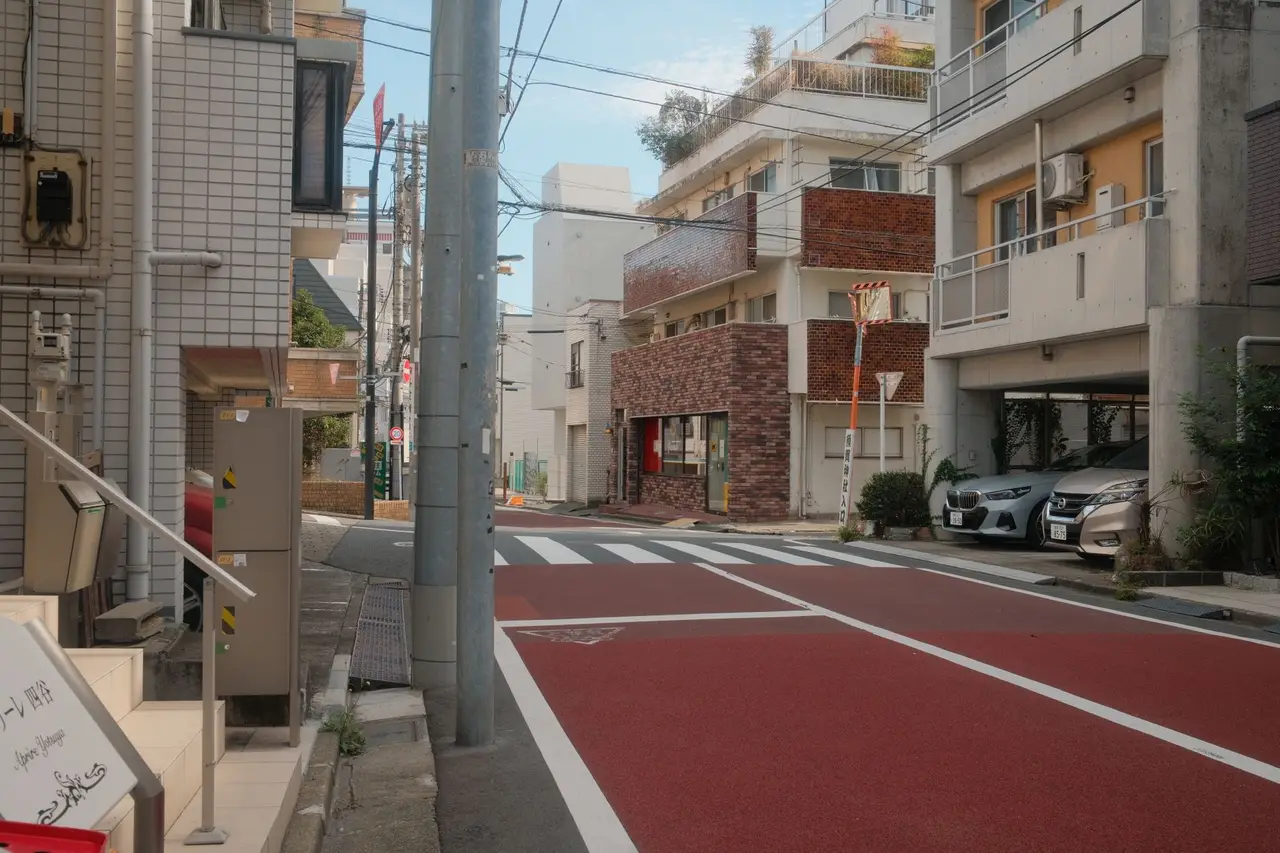
For 2026, I’d budget $35-$70 a night for a solid solo hostel bed in Tokyo, with the cleaner central places nudging toward the top end. The cheaper beds are real, but they usually ask you to give up something: a longer train ride, a louder room, or a common area that feels more like a corridor. I found my own total moved up fast when I paid for station access and quieter dorms, and it stayed lower when I was happy to walk a bit farther and keep meals simple.
Rough daily estimates from my own trip. Prices shift by season.
What I’d do differently next time
I’d book earlier. Tokyo hostels with good reviews and sensible locations go faster than I expected, especially for female dorms with decent privacy. I also wouldn’t chase the absolute lowest rate unless I knew the walk from the station was short and well lit.
I’d also check whether the hostel has enough hooks, shelf space, and locker room before I get excited about the price. Sounds tiny, but when I’m living out of a backpack, tiny things become annoying fast. And I’d skip any place that makes me rely on a long, confusing route home after dark. I don’t want to solve a puzzle just to get to bed.
Best for: solo women who want a clean, central, reasonably priced base and don’t need hotel-level privacy.
Skip if: you’re noise-sensitive, hate shared bathrooms, or want the room itself to be the highlight.
Next time: I’d book Shibuya or central Asakusa again, but only if the station walk stayed under 10 minutes and the reviews mentioned real quiet at night.
Tokyo is one of those cities where the right hostel changes the whole trip. I’d still choose a hostel over a hotel if I were solo and counting costs, but I’d be picky about the neighborhood. The wrong base costs more than money. It costs energy.
Best for: solo female travelers who want to balance safety, convenience, and budget without paying hotel prices.
Skip if: you need silence, private bathrooms, or a lobby that feels like a retreat.
Next time: I’d book Book Tea Bed Shibuya first, and I’d only switch to Nui. if the price gap was big enough to justify the extra transit.
FAQ
Is it worth paying more to stay near Shibuya in Tokyo?
Yes, I think it’s worth paying $10-$20 more a night for Shibuya if you plan to be out late or move around a lot. The time you save on late-night returns and quick train access usually beats the cheaper rate somewhere farther out. I’d pay extra for that convenience again without thinking too hard.
Are Tokyo hostels safe for women traveling alone?
Yes, I feel fine in Tokyo hostels as long as I choose a well-reviewed place near a busy station and avoid sketchy long walks. The real safety issue is usually logistics, not crime: bad lighting, confusing routes, or arriving half-asleep after the last train. I’d still book a female dorm when it’s available.
Should I choose a capsule hotel instead of a hostel?
No, I’d pick a hostel if I wanted a more social and slightly easier setup for a longer stay. Capsule hotels can be cleaner and more private, but they’re often less flexible with bags and common spaces. For more than two nights, I usually prefer the hostel unless the capsule is dramatically better located.
Which area is easiest if I’m landing late at night?
Shinjuku is the easiest on paper, but I’d still choose Shibuya or central Tokyo Station area if the hostel is closer to a simple exit. A late arrival with luggage makes station confusion feel twice as bad, and Shinjuku’s scale can be a lot after a long flight. I’d avoid any place that needs a complicated transfer after 10pm.
How much should I expect to spend on a decent solo hostel bed in Tokyo?
I’d budget about $40-$75 a night for a decent solo hostel bed in Tokyo, with the better-located places pushing up from there. If you see something much cheaper, I’d check the station walk, bed type, and recent female-dorm reviews before getting excited. The lowest price is often the one that costs more in time.
 Emma Hayes
Where to Stay