
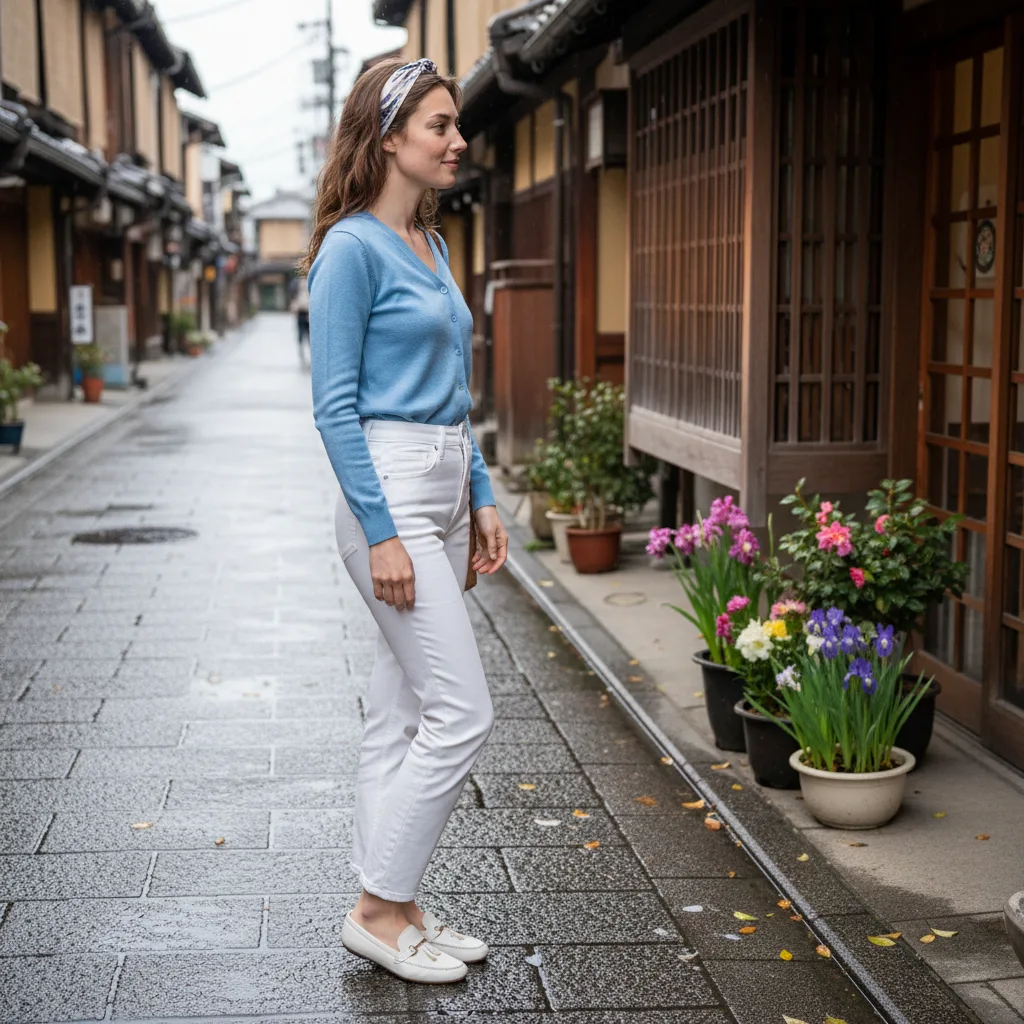
I almost spent my first Kyoto morning chasing three temples in a row and forgot to slow down enough to notice the gardens. I ended up sitting on a low bench at Shoren-in with wet shoes and a convenience-store coffee, watching moss and stone do most of the talking. That turned out to be the point. Kyoto gardens reward the people who slow down.
Yes, Kyoto is worth it if you care about gardens, temple grounds, and quiet places that make you stop rushing. It’s not for people who want nonstop action or a one-day checklist of famous sights. What matters most here is pace: the best Kyoto garden experiences are the ones where I gave myself time to sit, not just walk through and leave.
Quick Answer
- I’d start with Shoren-in and Eikando when I want a quiet morning, because they feel calmer than the bigger names and I’m less likely to spend half the day in a queue.
- I’d go to Ryoan-ji for the dry rock garden, even though the whole place didn’t quite live up to the legend for me. The garden itself is still worth the detour.
- I’d stay longer around Tenryu-ji and the Arashiyama Bamboo Grove if I want one outing that turns into a full day, because Kyoto is better when I stop trying to rush it.
- I’d only do two or three garden stops in a day. Garden hopping sounds efficient until I’m tired, hungry, and pretending another moss path is going to change my life.
Best for: Travelers who want calm, beautiful, low-key time in Kyoto instead of a packed sightseeing sprint.
Skip if: You only care about big-ticket temples and don’t want to pay entrance fees for places you’ll rush through.
My pick: I’d start with Shoren-in, Eikando, and Tenryu-ji, then leave room for one long sit somewhere quiet.
What “Kyoto Garden” Actually Means to Me
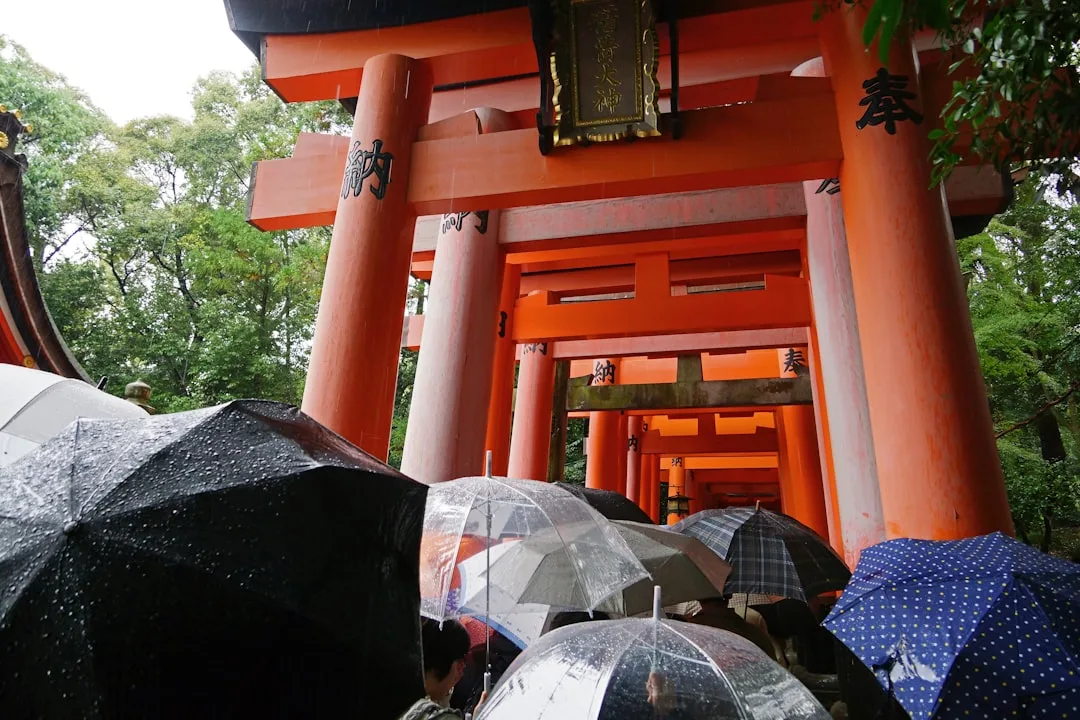
When people search for Kyoto gardens, I think they usually mean one of three things: temple gardens, landscaped strolling gardens, or tiny mossy corners that feel more private than they are. Kyoto has all of that, but it doesn’t hand it to you in one neat package. You have to go looking, and sometimes pay to get in.
The gardens I liked most weren’t the loud famous ones. They were the places where the sound dropped off. At Shoren-in, I paid about 500 yen and got a garden that felt like it had more breathing room than a lot of bigger-name stops. At Eikando, the entrance was closer to 600 yen, and the whole place felt built for slow walking, not quick photos.
Best for: People who like gardens as a mood, not just as a checklist.
Skip if: You expect every Kyoto garden to be huge, dramatic, or packed with signs explaining what to admire.
My pick: I’d treat Kyoto gardens like places to pause between temples, not the only reason to be in the city.
Shoren-in and Eikando: The Quiet Pair I’d Start With
These two sit close enough together that I’d pair them on the same half-day. Shoren-in was the one that slowed me down the most. I remember buying a bottled tea from a vending machine outside, kicking off the part of my brain that wanted to optimize everything, and just sitting there longer than I planned. The garden has that damp, layered look Kyoto does so well, especially after rain.
Eikando is a little more structured, but I didn’t mind that. The paths are easy to follow, and the autumn reputation is real, though I was there outside peak season and still thought it was worth the entry fee. It’s not the kind of place that punches you in the face with grandeur. Better than that, honestly. It just keeps rewarding you if you stay a bit longer.
Budget-wise, I’d set aside around 500 to 600 yen per temple, plus whatever I spent on a drink or snack on the way. If I were trying to keep the day under control, this pair is one of the safest bets in Kyoto.
Best for: A calm first morning, especially if I want garden time without a long train ride.
Skip if: I’m in a hurry or I hate paying multiple small entrance fees.
My pick: Shoren-in first, Eikando second, then a lazy lunch somewhere nearby.
Ryoan-ji: Famous for a Reason, Slightly Less Fun Than I Wanted
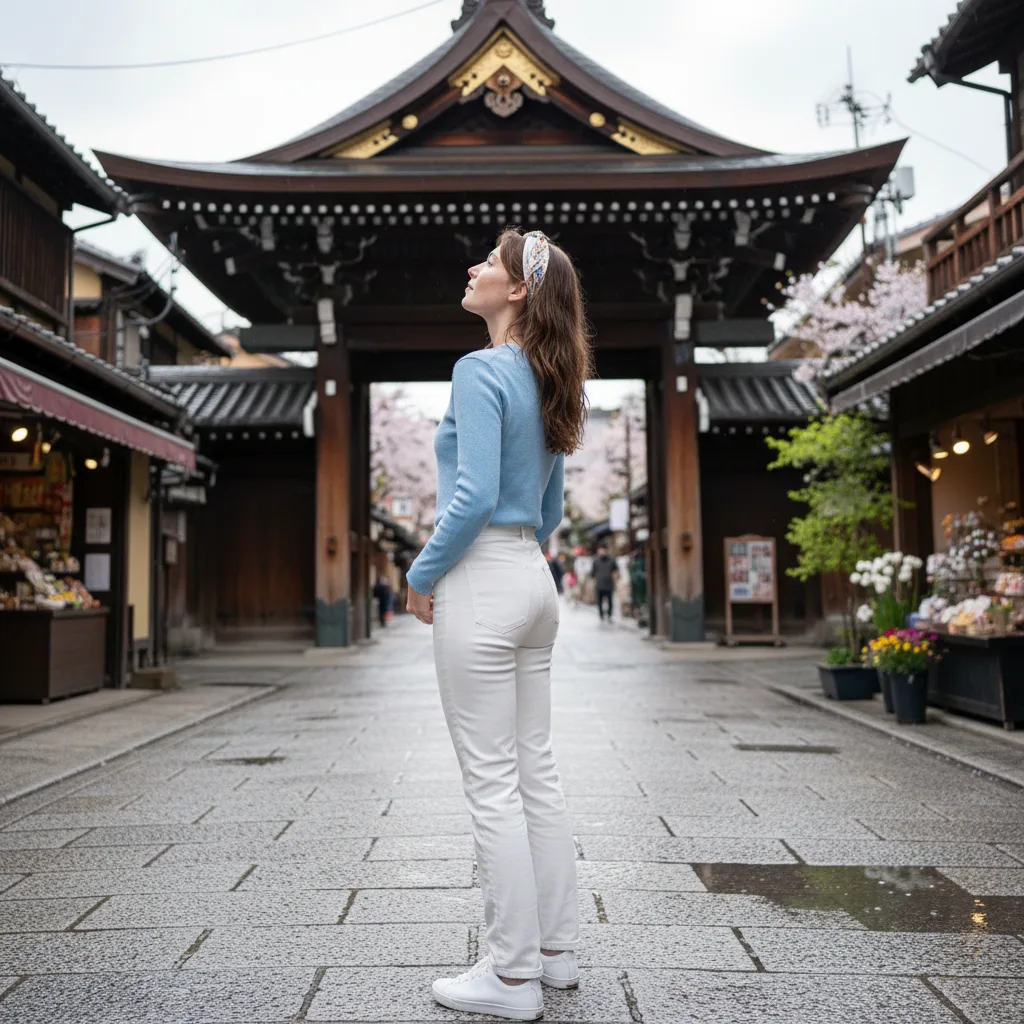
I went to Ryoan-ji because I felt like I should. That’s the honest answer. The karesansui rock garden is the thing everyone knows, and yes, it’s striking in person. Fifteen rocks, raked gravel, a lot of people standing very still and pretending they weren’t trying to figure out the meaning of it all. I did the same thing.
But I didn’t love the whole visit as much as I expected. The garden itself is memorable. The rest of the site felt more functional than emotional, and the crowd flow got in the way a little. It’s worth seeing once, though, because this is one of those places where the famous part really is the famous part. Everything else is extra.
If someone only has one garden stop in Kyoto and wants a classic, Ryoan-ji makes sense. If they want the most satisfying whole experience, I’d choose somewhere else first. That’s the tradeoff.
Best for: First-timers who want to see Kyoto’s most famous dry garden with their own eyes.
Skip if: I’m hoping for a lush, wandering garden experience with lots of variety.
My pick: I’d go, but I wouldn’t build the whole day around it.
Tenryu-ji and Arashiyama: The Best “Do More Than One Thing” Day
This is where Kyoto gets practical. Tenryu-ji sits right by Arashiyama, so I could combine a garden visit with the bamboo grove, the river area, and a meal without spending half the day riding trains. I bought a 450-yen onigiri from a shop near the station and ate it faster than I should have because I was trying to beat the crowds into the bamboo grove.
The Tenryu-ji garden is one of the better places to understand why Kyoto keeps winning people over. It’s composed, not flashy. The pond, the pine trees, the mountain backdrop — it all works without trying too hard. And that matters because Arashiyama itself can get crowded and a little annoying. The garden gives the area a center of gravity.
Best for: A full Kyoto day when I want gardens plus a neighborhood that actually gives me enough to do.
Skip if: I hate crowds and don’t want to deal with one of Kyoto’s most obvious tourist zones.
My pick: Go early, eat before the urge to “see everything” kicks in, and leave before I get cranky.
The Garden Stops That Made Kyoto Feel Less Like a Checklist
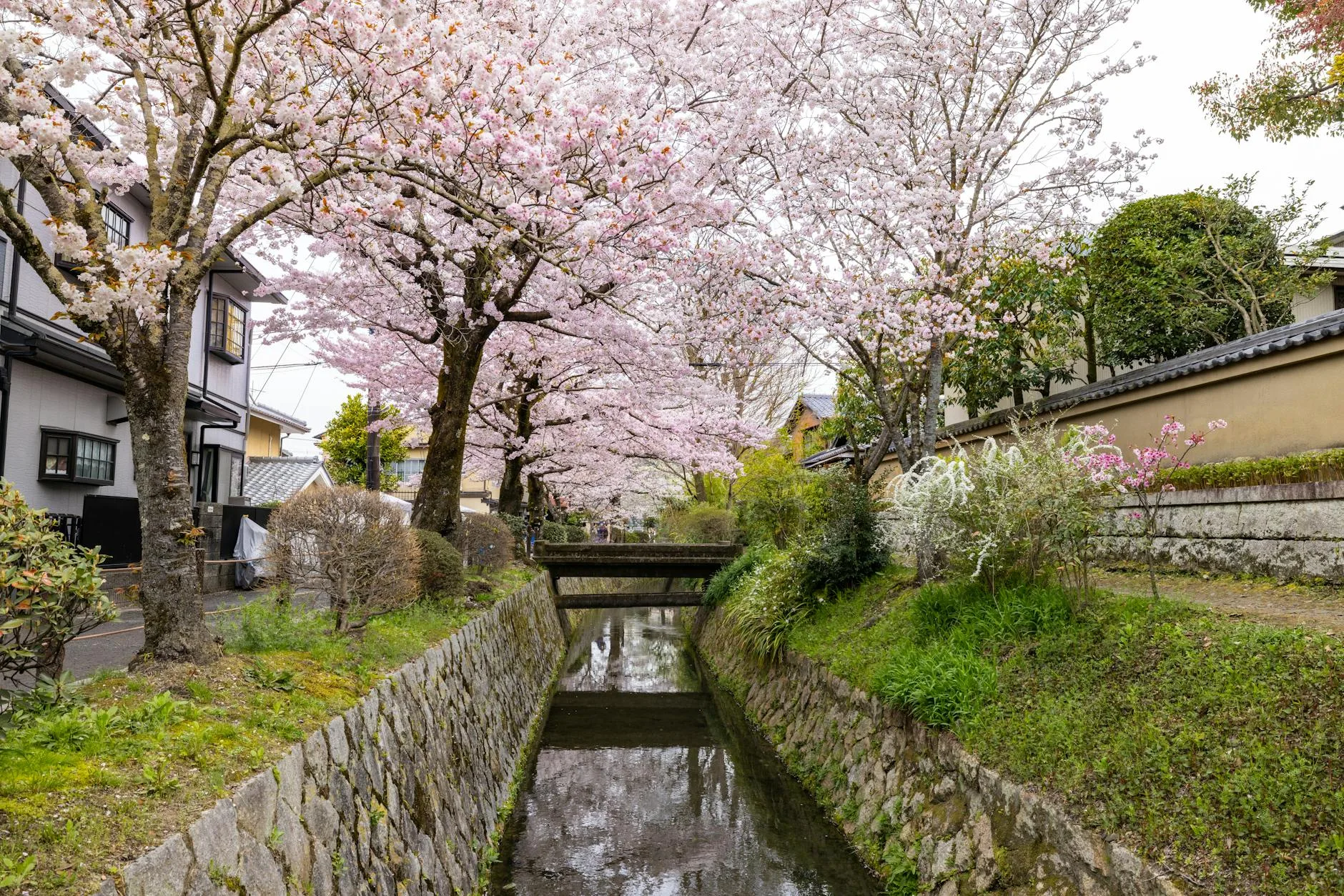
Some of my favorite Kyoto garden moments didn’t come from the biggest names. They came from smaller, less dramatic stops where I could sit without feeling like I was blocking traffic. I’m thinking of places like the grounds around Ginkaku-ji, where the sand garden and moss paths are tidy but not sterile, and smaller temple gardens where the main event was just being there long enough to notice the silence.
That’s the strange thing about Kyoto: a garden can be technically beautiful and still not be the one you remember. What I remembered was sitting down after walking too fast, buying a 160-yen coffee from a vending machine, and realizing I was finally enjoying the city instead of collecting it. Kyoto punishes speed a little. Not in a mean way. Just enough to make the point.
Best for: Travelers who want the city to feel less performative and more lived-in.
Skip if: I only want the most famous sight in every category and don’t care about the in-between moments.
My pick: Leave space for at least one unplanned garden stop, because that’s usually where Kyoto gets good.
How I’d Plan a Kyoto Garden Day Without Burning Out
I’d keep it simple: two major garden stops, one meal, one slow break. That’s enough. Kyoto is not the city for trying to cram six temples into a single loop and calling it efficient. I’ve done that kind of day elsewhere, and in Kyoto it just turns into sore feet and weak opinions.
For transport, I’d use a mix of buses and trains depending on where I’m starting. Kyoto Station to Arashiyama is easiest by JR Sagano Line to Saga-Arashiyama, which usually takes about 15 minutes and costs around 240 yen. For the east side, I’d use the subway or a taxi if I was already tired. A short taxi ride in Kyoto can run $8 to $15, which is annoying but sometimes smarter than another 20-minute walk in the heat.
If I were staying several nights, I’d probably base myself near Kyoto Station or in the Kawaramachi area. Kyoto Station is practical, while Kawaramachi gives me easier access to food and evening wandering. I wouldn’t pick a far-flung hotel just because it looked cute on a map. That math never works out.
See all kyoto hotels on Agoda →
Best for: Anyone who wants Kyoto gardens without wasting the day in transit.
Skip if: I’m trying to save money by staying far out and commuting a lot.
My pick: Stay central, keep the garden list short, and spend the saved energy on food.
Rough per full day estimates from my own trip. Prices shift by season.
The Day I Tried to Do Too Much in Kyoto

I made the mistake of stacking too many stops into one day and ended up weirdly annoyed by everything. I started near a garden, moved to another temple, then another, and by late afternoon I was mostly thinking about benches and cold drinks. Kyoto can do that to me if I’m not careful. It’s not the city’s fault, really. I was the one pretending I had more energy than I did.
The turning point was a tiny break near a temple garden where I bought a 200-yen iced tea and sat for 20 minutes without looking at my phone. Nothing dramatic happened. That was the whole lesson. Kyoto works best when I stop trying to conquer it and let one place do its job.
Best for: Slow travelers who don’t mind leaving some famous places for another trip.
Skip if: I get restless when a day isn’t packed from start to finish.
My pick: Fewer stops, longer pauses, better memory.
What I’d Do Differently Next Time
I’d go earlier in the day, especially in spring and autumn. Kyoto gets crowded fast, and the difference between 8:30 a.m. and 10:30 a.m. can be annoying enough to change the whole mood. I’d also skip one famous stop and replace it with a smaller temple garden I’d never heard of before arriving.
I’d bring a water bottle, too. I forgot mine once and ended up paying more than I wanted for drinks at stations and vending machines. Not a disaster, just one of those small mistakes that stack up.
I’d also stay one extra night if I planned a garden-heavy trip. Two nights works, but three gives me room to be lazy, and Kyoto rewards laziness more than people admit.
Best for: Travelers who want a calmer, better-paced version of Kyoto than the standard rushed itinerary.
Skip if: I’m only in town for a few hours and need to optimize every minute.
My pick: I’d trade one extra temple for one extra hour of sitting still.
See current Kyoto hotel prices on Agoda →
FAQ
Is Kyoto really worth it if I mostly care about gardens?
Yes, Kyoto is very good for garden lovers, and not in a vague, postcard way. The city has temple gardens, dry rock gardens, mossy corners, and enough small variations that I kept noticing them even when I was tired. I paid 600 yen at one temple and didn’t mind it, which is usually a decent sign. The only real catch is that the best ones often come with an entrance fee.
Which Kyoto gardens are best if I only have a short trip?
If I only had a short trip, I’d focus on Shoren-in, Eikando, and Tenryu-ji because they give me three different garden moods without turning the day into a taxi schedule. That mix matters more than trying to tick off every famous name. I’d also keep one slot open for Arashiyama, because rushing through it is basically a waste of train fare.
How much do Kyoto temple garden entrances usually cost?
Most of the Kyoto garden temple entrances I paid for were around 500 to 600 yen, with a few bigger places asking more. It doesn’t sound like much until you’ve done three in a row and suddenly lunch is the thing you’re negotiating with yourself about. I usually kept some cash handy, since a few places were less convenient than I wanted them to be.
Are Kyoto gardens better in spring or autumn?
I think Kyoto is better in autumn, though spring has its own appeal if I’m willing to share the city with half the country. Autumn gives the gardens more shape, especially when the maples start turning and the paths feel a little sharper. I visited in late November once and spent most of the day trying not to stop every ten minutes. Spring is softer. Autumn is more memorable.
Can I visit Kyoto gardens without joining a tour?
Yes, I can do Kyoto gardens without a tour, and that’s usually how I prefer it. Kyoto is easy enough to handle on my own if I stay in one area instead of crisscrossing the city like I’ve got something to prove. A tour only really helps if I want more history or if I’m trying to squeeze too much into one day, which is usually where I start making bad decisions.
If you want a slower Kyoto garden day, start with Shoren-in, Eikando, and one slow day in Arashiyama.
 Emma Hayes
Honest hotel reviews and real budget travel advice from someone who’s actually there.