
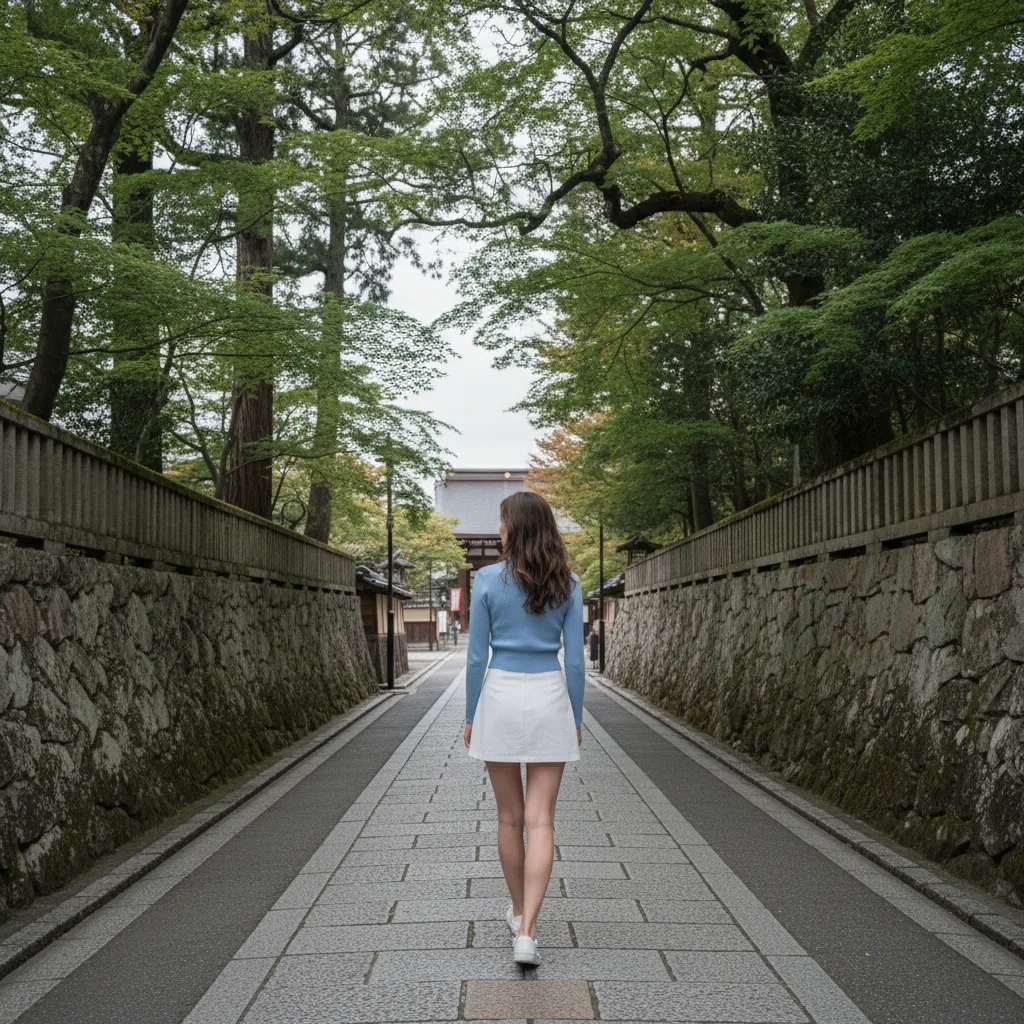
2 hours: that’s about how long I’d give Kinkaku-ji, and I still think that’s the right amount. I went in expecting a slow, meditative temple visit, and what I got was a very polished, very busy slice of Kyoto that worked better as part of a bigger day than as the whole point of the day. If you’re trying to decide what to do around Kyoto’s Golden Temple, my answer is simple: I’d go, but I wouldn’t build my entire Kyoto trip around it.
It fits travelers who want one iconic stop, a short walk, and an easy add-on with little planning. It’s not the place I’d choose if I only had one free afternoon in Kyoto and wanted depth, quiet, or a long temple crawl. What matters most here is how you pair it, because Kinkaku-ji itself is quick and the surrounding area is more practical than charming.
I’d do Kinkaku-ji first, then pair it with Ryoan-ji, Ninna-ji, or Kitano Tenmangu for a compact half-day. Admission was 500 yen, the bus from Kyoto Station can take around 40 to 50 minutes, and a taxi is the smoother choice if you want to keep the day clean.
Quick Answer
Kinkaku-ji works best as part of a slow half-day rather than a rushed stop, which is probably why it pairs so neatly with Ryoan-ji or Ninna-ji. I went early enough that the paths still felt manageable, and the 500 yen entry fee seemed fair for a place that mostly asks you to stand still and look. The bus from Kyoto Station is fine if you have time to lose; a taxi is easier if you’d rather spend the day walking through temple grounds than waiting at them.
Kinkaku-ji itself: go for the view, not the experience

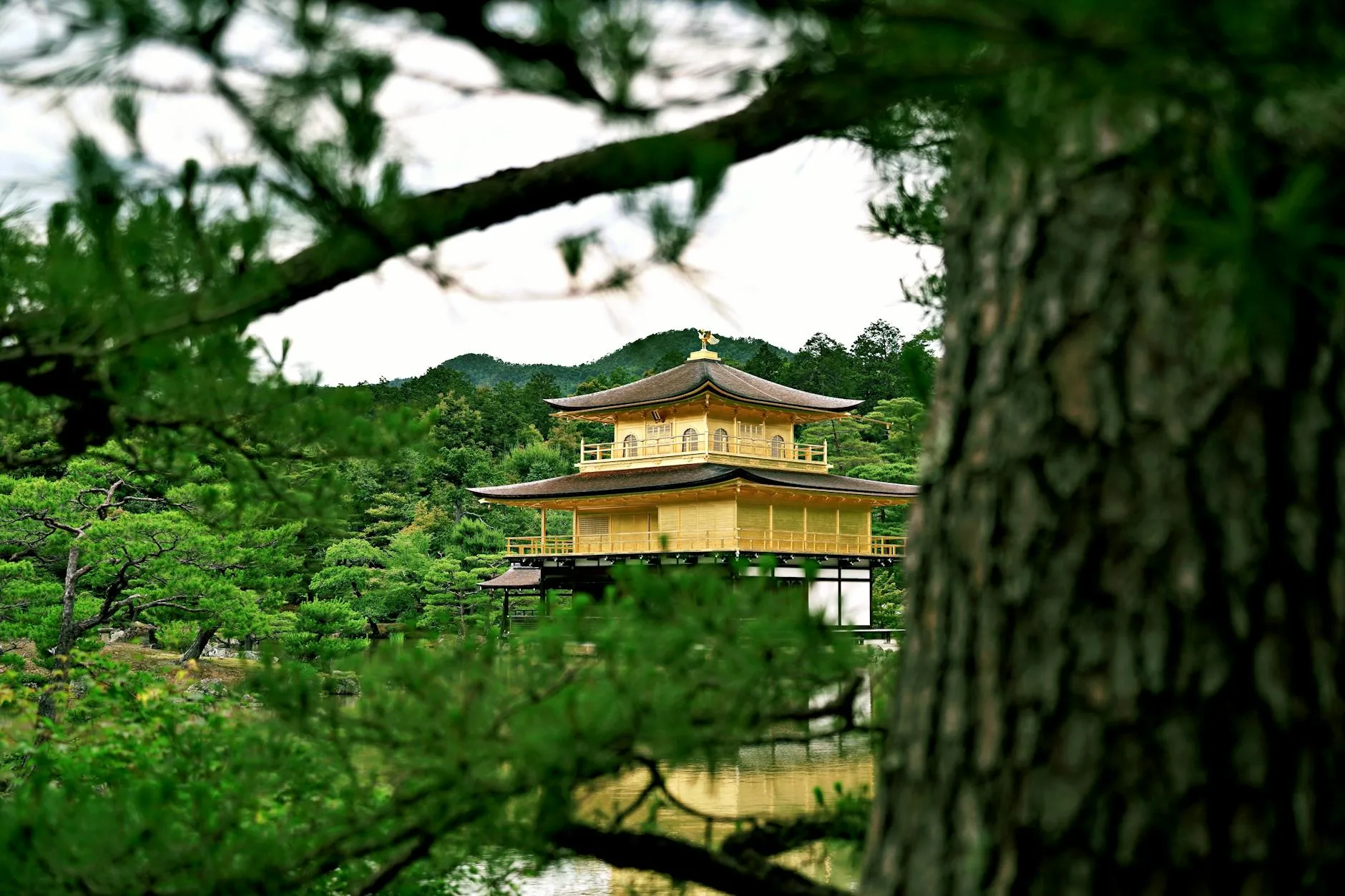
I’ll be honest: Kinkaku-ji is the kind of place I go because I know I should, not because I’m chasing a long, soulful afternoon. The temple’s gold leaf catches the light in a way photos never quite hold onto, and the first time I saw it over the pond, I understood why everyone detours here. But the actual visit is efficient to the point of being brisk.
I usually book Kyoto tours on Klook — the best time slots go fast, especially in peak season.
You enter, follow the set route, take the classic photo from the viewing point, walk through the grounds, and leave. There’s no wandering into the building itself, because visitors don’t go inside. That matters. If you’re expecting a big interior experience, this will disappoint you a little.
Best for: first-time Kyoto visitors who want the famous image and don’t mind a short visit.
Skip if: you’re looking for a temple you can explore slowly or photograph in solitude.
My pick: go early on a weekday if you want the least annoying version of the crowd situation.
Admission was 500 yen when I went, which is not much for Kyoto, but the value depends on your expectations. I think it’s fair if you treat it like a landmark stop, not a half-day outing. The surrounding path is neat and controlled, with clipped greenery and the pond reflections doing most of the work. Fine, not great, if you’re measuring by time spent. Very good if you’re measuring by “I wanted to see the thing.”
How I’d build a half-day around the Golden Temple area
If I were planning things to do in Kyoto around Kinkaku-ji, I’d keep the radius tight. The area is easiest to handle as a half-day loop, not a sprawling sightseeing zone. That’s the real decision here: don’t try to stretch the neighborhood into something it isn’t.
My usual move would be Kinkaku-ji first, then a cheap lunch, then one more temple or garden depending on how much energy I had left. I’ve done days in Kyoto where too many transfers ate the mood, and this part of the city is better when I keep the logistics boring. Boring can be good. Boring means I’m not hailing a taxi every hour.
Worth it if: you want a calm, manageable morning with one famous stop and one simple add-on.
Better if: you already have another neighborhood in mind and just want to slot Kinkaku-ji into it.
For lunch, I’d usually grab something plain and cheap rather than hunting for a destination meal. Around this side of Kyoto, I’ve ended up in small noodle shops and convenience stores more than once, and that’s not a criticism. It’s just how the day works. A 300-yen onigiri from Lawson or FamilyMart is not glamorous, but it saves time and keeps the day moving.
The nearby stops I’d pair with it
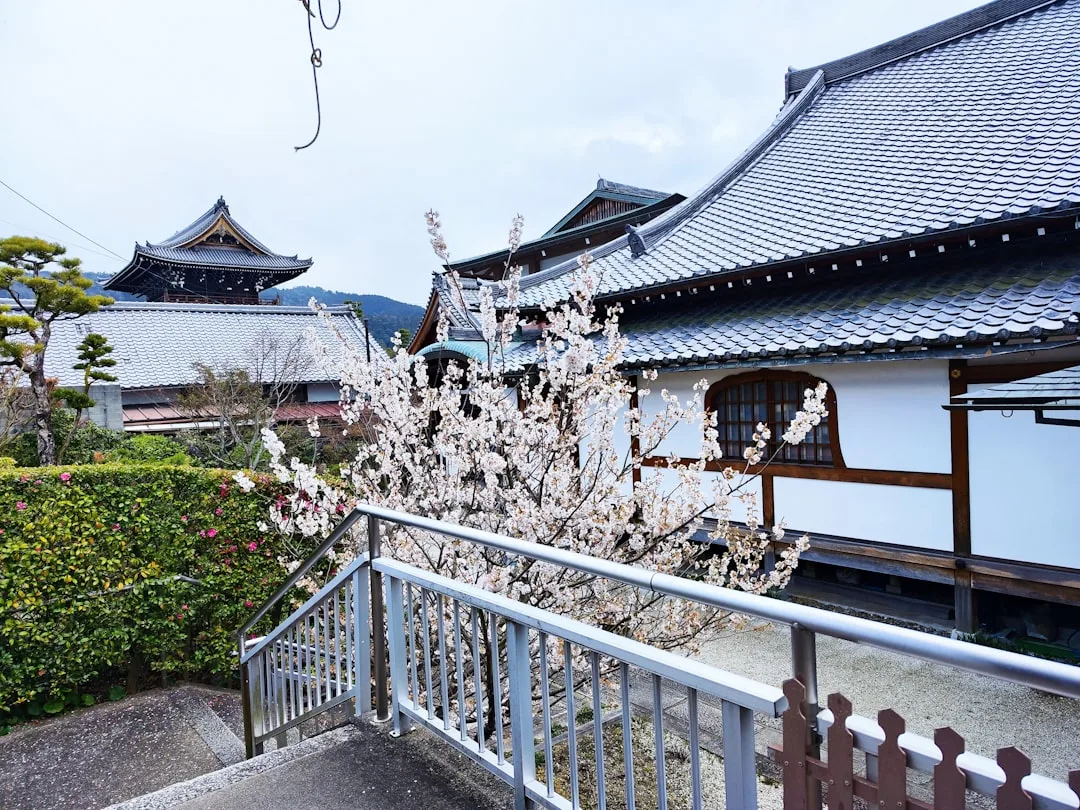
The best thing to do near the Golden Temple is not one thing, but a sequence. I’d choose one of these depending on my energy and how much temple fatigue I already had. Kyoto can do that to you. After the third similar-looking entrance gate, I start getting picky.
Ryoan-ji for a quieter follow-up
Ryoan-ji is the obvious pairing because it’s close and it slows the pace down. The famous rock garden is small, spare, and almost stubbornly un-dramatic, which I liked more than I expected. It’s the opposite of Kinkaku-ji in mood: less spectacle, more stillness.
I’d choose it if I wanted a second stop that doesn’t ask much from me. The walk around the pond is easy, and the whole place feels like it was designed for a slower brain than mine usually has on travel days. Entry was in the same low-cost range as many Kyoto temples, around a few hundred yen, and it felt reasonable because I actually spent time there.
Best for: travelers who want a quieter temple after the Golden Temple rush.
Skip if: you’re already temple-d out and don’t want another paid stop.
Ninna-ji if you want more space and fewer people
Ninna-ji is where I’d go when I wanted less crowd pressure and more room to breathe. It’s a bigger grounds experience, and I remember appreciating that I didn’t feel herded around the whole time. That matters after Kinkaku-ji, where the pace can feel a little conveyor-belt-ish.
This is the better choice if you like temple grounds more than single-photo landmarks. It’s not as instantly recognizable as Kinkaku-ji, which is exactly why I’d sometimes pick it. More time, less fuss.
Worth it if: you want a second temple that feels calmer and less scripted.
Skip if: your main goal is seeing Kyoto’s headline sights as fast as possible.
Kitano Tenmangu if you want a market day instead of another temple
If it’s the 25th of the month, I’d seriously consider Kitano Tenmangu because of the monthly market. That’s the kind of detail that changes the whole day. Stalls, snacks, used ceramics, random secondhand stuff, and a much more casual energy than temple-hopping alone.
I like this option because it gives the area some actual life. Not in a polished, tourist-board way. In a real way. If I’m near Kinkaku-ji and it happens to be market day, I’d rather spend time there than force another shrine just to say I did.
Best for: travelers who want food, browsing, and a less formal Kyoto afternoon.
Skip if: you’re not there on the right date or you hate market crowds.
Getting there without wasting half the day
Kyoto is easy to underestimate on a map. The Golden Temple is not on a convenient train line, and that’s the annoying part. I usually got there by bus or taxi depending on how much patience I had left, and the bus was cheaper but slower, which is the entire story of Kyoto transport in one sentence.
From Kyoto Station, the bus ride can take around 40 to 50 minutes depending on traffic. I’ve stood on packed buses with tourists, commuters, and schoolkids all trying to make the same transfer, and it’s not the romantic part of the trip. A taxi costs more, obviously, but if I was already tired or traveling in bad weather, I’d pay it without much debate. That math never works out in favor of the cheapest option if the cheap option burns an hour of your day.
Budget-wise: the bus is the better call if you care about cost more than time.
My pick: taxi in the morning if I’m doing Kinkaku-ji plus one more stop and I want to keep the day clean.
If you’re coming from central Kyoto, I’d mentally budget the transit like part of the attraction rather than dead time. It won’t feel that way in the moment, but it helps. The area around the temple itself is not a place where I’d want to spend ages waiting around.
What I’d eat and buy in the area
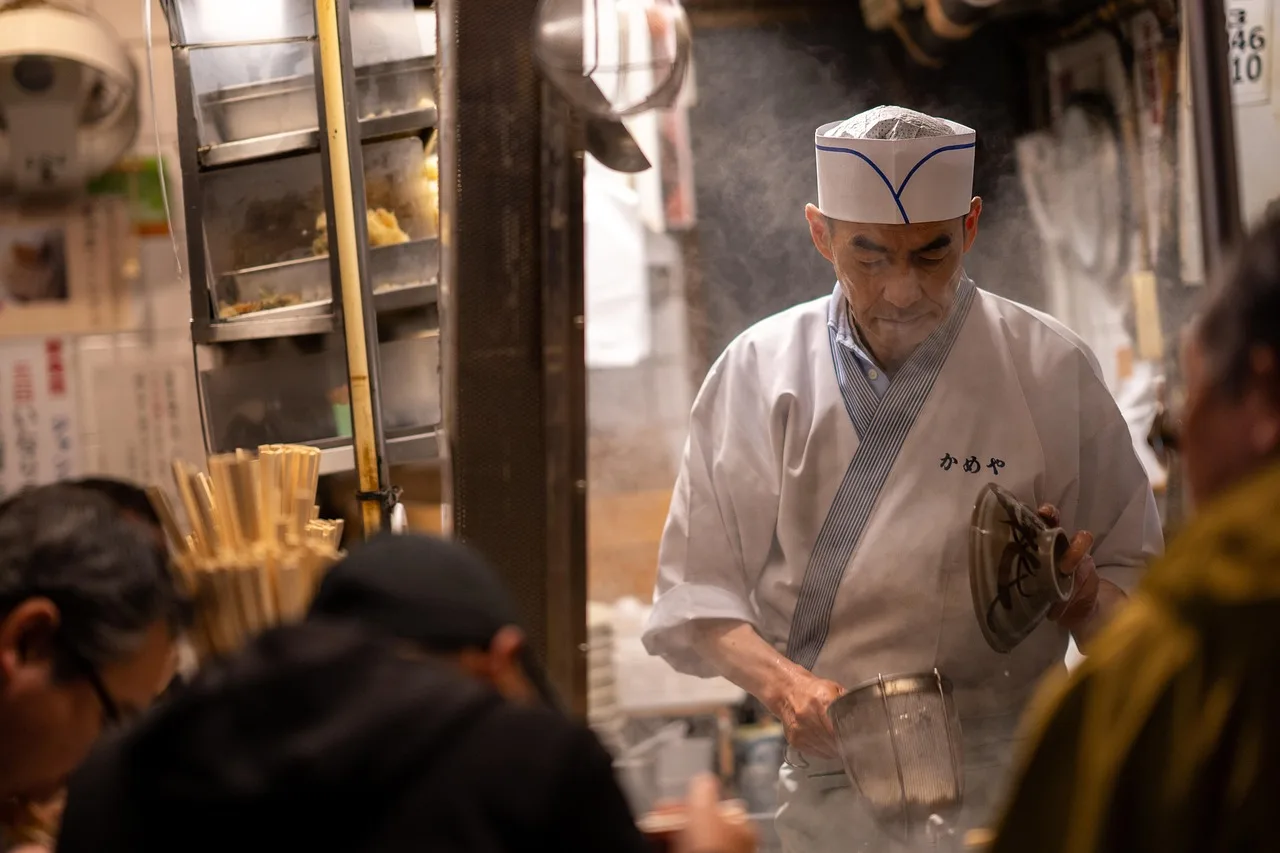
I’m not going to pretend the Golden Temple district is a food destination. It isn’t. But it does the job if you keep your expectations low and your lunch simple. I’ve had more than one decent bowl of udon in Kyoto after temple visits, and around here I’d happily settle for something warm and fast.
If I was hungry right after Kinkaku-ji, I’d look for a small noodle shop or grab convenience-store snacks and keep moving. I once bought a 160-yen bottled tea and a rice ball after a temple morning because I couldn’t be bothered to sit down anywhere, and honestly, that was the right call. Not every meal needs to be a memory.
There are also souvenir stalls near the temple entrance, and I usually skip them unless something actually catches my eye. The gold-flake sweets and small trinkets are fine, but I don’t love buying things just because the exit funnels me past them. That’s a very tourist-site move, and I know myself well enough to avoid it most days.
Best for: a quick snack stop, not a long meal mission.
Skip if: you were hoping for one of Kyoto’s better food neighborhoods.
The day I went too late and paid for it
The first time I went to Kinkaku-ji, I arrived later than I meant to. Not disastrously late, just late enough that the place felt more crowded than I wanted and the light was harsher than I’d hoped for. I still got the view, but I didn’t get the mood I was after. That’s the part people leave out when they talk about famous landmarks like they’re static objects.
After that, I started treating the Golden Temple as a timing problem, not just a sightseeing problem. Early morning is better. Weekdays are better. And if I’m already feeling behind, I stop trying to turn the area into a full itinerary and just do the temple plus one nearby stop. I’ve made the mistake of trying to “maximize” Kyoto before, and it usually makes the day feel thinner, not fuller.
My pick: go early, then keep the rest of the day simple.
Tradeoff: you’ll see fewer places, but the places you do see won’t blur together as badly.
Rough daily estimates from my own trip per person, covering one full day in Kyoto with mid-range accommodation, simple meals, local transport, and one paid temple visit. Prices shift by season.
What I’d do differently next time
I’d go earlier than I did the first time, and I’d stop trying to squeeze in too much afterward. Kyoto punishes overplanning in small ways. You don’t notice it until you’re on your third transfer and the day feels weirdly overworked.
I’d also pair Kinkaku-ji with one quieter stop instead of trying to make it the start of a big sightseeing chain. Ryoan-ji makes the most sense to me for that. If it’s market day, I’d swap in Kitano Tenmangu. I wouldn’t spend extra time chasing food in this area unless I was already hungry.
Best for: a compact Kyoto morning built around one iconic stop and one low-stress add-on.
Skip if: you only have one short afternoon in Kyoto and you care more about depth than famous sights.
Next time: I’d do Kinkaku-ji at opening, then head straight to a quieter temple or market instead of lingering near the gold temple district.
See current Kyoto hotel prices on Agoda →
FAQ
How much time do I need at Kinkaku-ji?
I’d give it 45 minutes to 1 hour if I’m moving at a normal pace. That’s enough time to enter, walk the circuit, take photos, and leave without feeling rushed. If you’re pairing it with another nearby temple, half a day is the better plan.
Is Kinkaku-ji worth it on a short trip to Kyoto?
Yes, if you want one of Kyoto’s signature sights and you’re okay with a short visit. I’d skip it only if your trip is so short that every hour needs to go toward deeper, less crowded places. The temple is memorable, but the time investment is light.
What else is close to the Golden Temple?
Ryoan-ji, Ninna-ji, and Kitano Tenmangu are the most useful nearby stops in my opinion. I’d choose Ryoan-ji for calm, Ninna-ji for wider grounds, and Kitano Tenmangu if it’s market day. The area works best as a small cluster, not a huge sightseeing zone.
Can I do Kinkaku-ji and Arashiyama in one day?
Yes, but I wouldn’t unless I had a full, flexible day and I was okay with a lot of transit. Arashiyama and Kinkaku-ji are both famous, but they don’t sit neatly together in a way that saves much time. I’d rather do one properly than rush both and remember neither well.
What’s the best way to get to Kinkaku-ji from central Kyoto?
The bus is the cheapest option, and a taxi is the easiest if I’m short on time or tired. From Kyoto Station, I’d expect the bus to take around 40 to 50 minutes depending on traffic. If I’m trying to keep the day smooth, I’d pay for the taxi and not think about it too hard.
For things to do in Kyoto around Golden Temple, I’d keep it simple: Kinkaku-ji, one quieter stop, and an early start. That’s the version that actually works.
 Emma Hayes
Honest hotel reviews and real budget travel advice from someone who’s actually there.