
This post contains affiliate links. If you purchase through these links, I earn a small commission at no extra cost to you. I only recommend products I actually use and have tested across multiple trips.
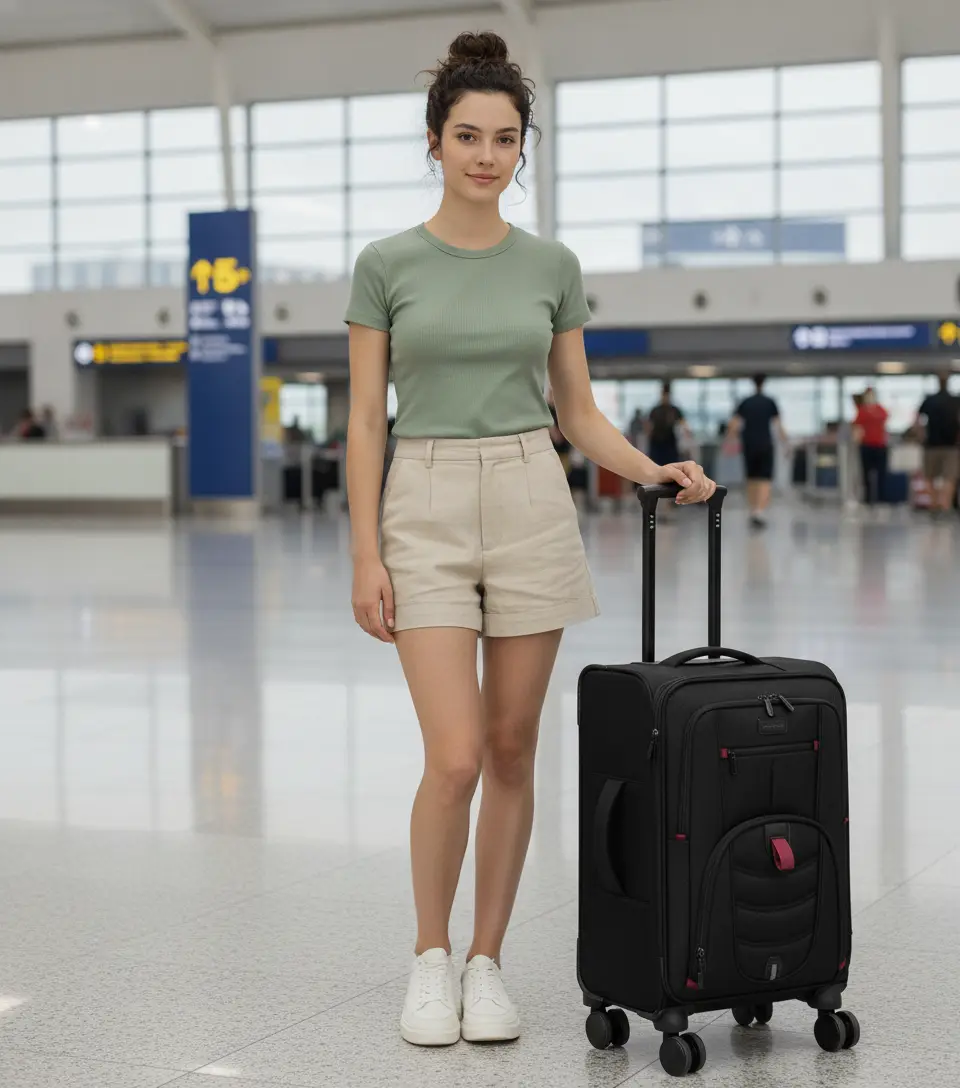
I used to pack like I was trying to solve a moving problem, not a travel problem. On a 4-day San Diego to Denver trip, I dragged a soft-sided carry-on through a train station, then walked 1.5 miles to my hotel because I wanted to skip a rideshare. That bag did the job, but it also made something obvious: I was carrying too much bag for too little payoff.
Since then, I’ve been way more picky about what earns space in my carry-on setup. I don’t want gear that looks sleek in a product photo and falls apart when I’m sprinting for a gate or sweating through a bus ride in Mexico City. I want the thing that saves me time, keeps me under airline limits, and doesn’t turn annoying after day 2. For budget international travel, that usually means choosing based on cost per value, not whatever has the loudest Amazon listing.
These three bags are the ones I actually used across 6 countries, 43 trips worth of packing decisions, and a mix of humid summers, cold winters, long-haul flights, and carry-on-only runs. One of them is the bag I’d grab first if I were flying tomorrow. One is useful but sloppy. One is only worth it if your trip is short and your packing is disciplined.
The Short Answer
If you want the simplest answer: the Taygeer 40L Travel Backpack is the most useful budget pick for international carry-on travel if you move through airports, buses, and stations a lot. I used it for 14 months on 8 country trips, and the reason it won is boring but real: it held my laptop, charger, clothes, and toiletries for a 5-day Los Angeles to Mexico City trip without forcing me to check a bag.
The Hanke Underseat Carry-On Luggage is the one I’d choose for a 2-night flight where overhead-bin stress is the enemy. The 22-Inch Soft Carry-On Luggage is fine for short flights and train hops, but I’d only use it if I’m not abusing my bag and I’m not packing fragile stuff.
For a budget traveler trying to decide what actually works, my verdict is: Taygeer first, Hanke only for tiny trips, generic soft carry-on if you already know you pack light.
What I Actually Used for Carry-On Travel
Taygeer 40L Travel Backpack — I used this for 14 months on 8 trips, including a 5-day Los Angeles to Mexico City run with a laptop, charger, a change of clothes, and toiletries. Before this, I kept trying cheaper Amazon backpacks that looked similar on paper but got miserable once fully packed. The worst one was a generic 35L dupe that cost me about $32
The winning differentiator here is simple: it holds a lot without completely collapsing into chaos when I’m moving through an airport. On that Mexico City trip, I packed my 13-inch MacBook Air, charger, Kindle, a spare shirt, underwear, toiletries, and a flat pouch with cables, and I still had room to slide in a light jacket. That mattered at airport security because I could pull the laptop out fast, and I didn’t have to unpack half the bag just to get to it. After the switch, I stopped paying for checked bags on short trips, which saved me more than the bag cost by the third or fourth flight.
Field test wise, this bag is practical, not pretty. Fully loaded, it gets bulky fast, and once I had it stuffed with a laptop plus clothes, it felt heavy on one shoulder after about 20 to 30 minutes. The laptop compartment also eats space more than I expected, so if you’re carrying a thick charger brick or a second device, the main section shrinks quickly. After 14 months, mine still worked, but the shape was less crisp and more “I’ve lived in this bag.” That’s fine for me. It’s not the bag for someone who wants a sleek silhouette after 40 days of use.
What it won’t do: it won’t feel light if you pack it like a suitcase, and it won’t be pleasant if you have shoulder issues or you’re walking 40 minutes with it fully loaded. For $28-45 when I bought it, it’s worth it because it solves the airport-to-bus-to-hotel problem better than the cheap backpacks I tried first. If you want one bag for budget international travel and you actually move around on foot, this is the one I’d keep in the cart.
Hanke Underseat Carry-On Luggage — I used this for 7 months on 5 trips, including a 2-night Los Angeles to Las Vegas trip where I kept everything under the seat so I could skip overhead-bin stress. Before it, I was using a cheap underseat roller from a no-name brand that I bought for around $39
The thing the Hanke does better is stay compact enough that I didn’t have to think about bin space on a short flight. On that Vegas trip, I fit a laptop, one outfit, chargers, and toiletries, and I still had room to zip it shut without sitting on it. That sounds basic, but it saved me from the usual gate stress of wondering if I’d have to gate-check something. At security, it was easy to keep moving because I wasn’t pulling a giant bag behind me. That part is worth it if you hate overhead-bin roulette.
Capacity is the tradeoff, and it is very real. I tried packing boots once and that was a hard no. A jacket plus toiletries already makes it tight. The smaller wheels are fine on airport floors, but once I rolled it over rough sidewalk, I felt every crack. After 7 months, the bag still did what it was supposed to do, but I’d never pick it for a trip where I needed to walk more than 10 to 15 minutes with it outside the airport.
What it won’t do: it won’t replace a real backpack or a larger carry-on if you travel with bulky layers, winter shoes, or a lot of electronics. For $55-90 when I bought it, it’s worth it only if your trips are short and you want underseat convenience more than packing room. If you’re the type who overpacks “just in case,” skip it.
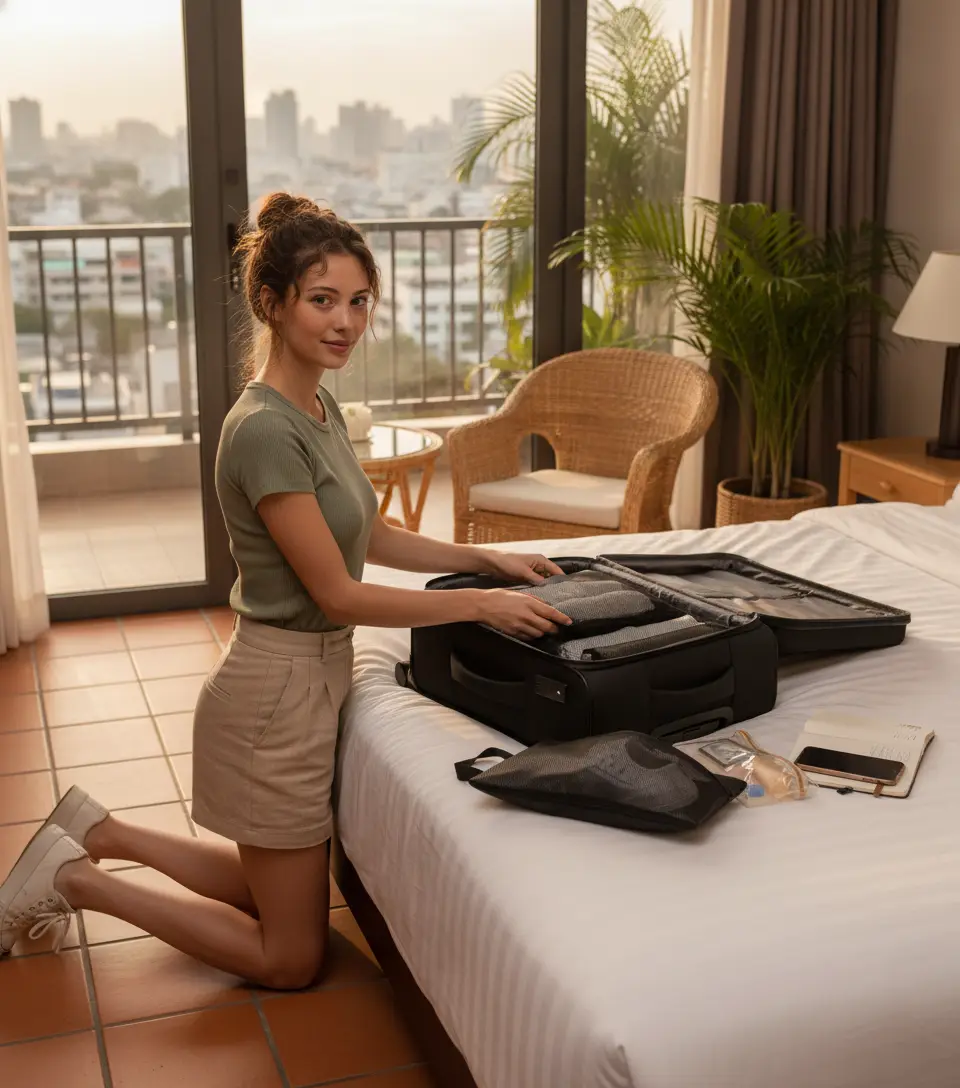
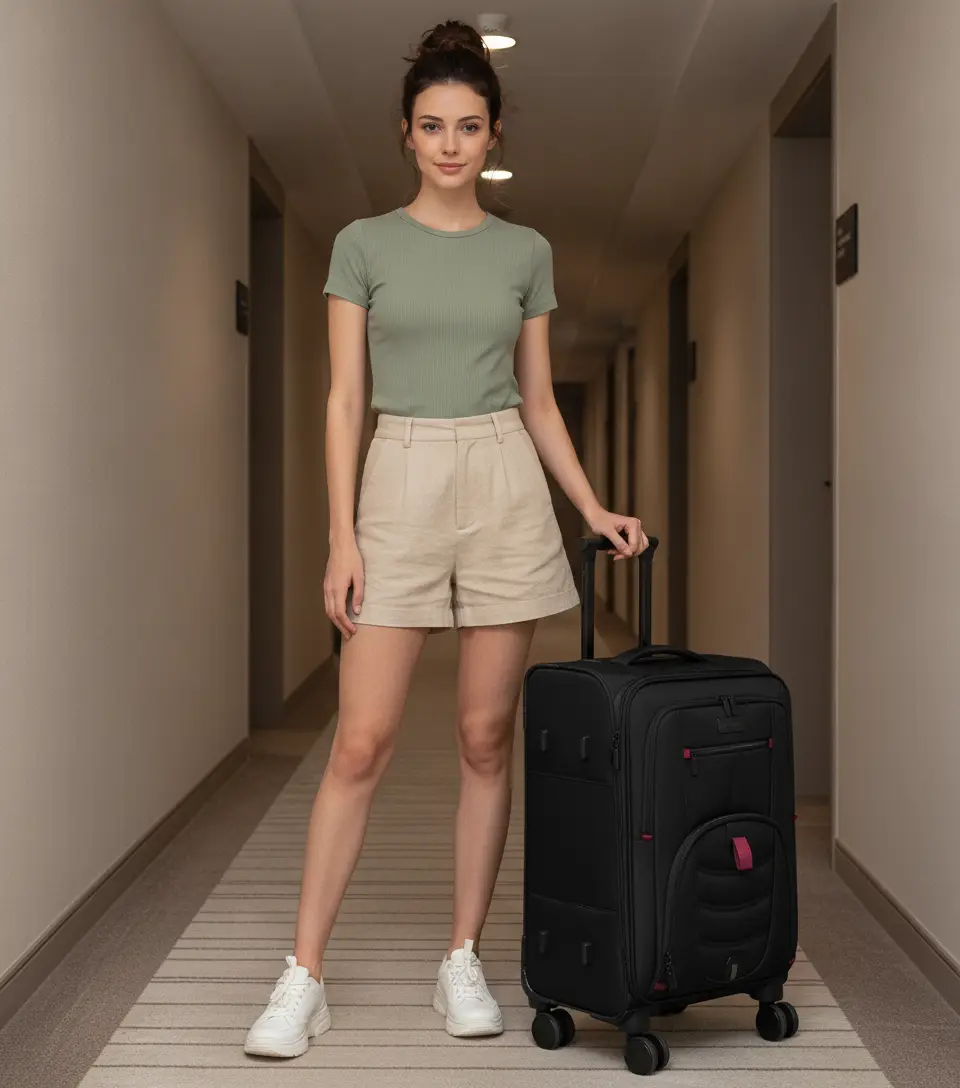
22-Inch Soft Carry-On Luggage — I used this for 9 months across 6 countries, and the best example was that 4-day San Diego to Denver trip where I took one carry-on flight and then walked 1.5 miles from the station to my hotel. Before this bag, I had a cheap hard-shell spinner that looked better than it worked. The shell cracked at the corner after a rough baggage-handling day, and I was out about $58 plus the annoyance of dragging a busted bag through a station. The soft-sided replacement was the cheaper, less fragile answer.
The winning differentiator is that it’s easy to live with for short trips when you’re watching weight. On the Denver trip, I packed two outfits, a toiletry pouch, a laptop sleeve, socks, underwear, and a small jacket. It fit without feeling like I was forcing the zipper to do violence. The softer shell also made it easier to squeeze into overhead bins and train storage. That mattered when I didn’t want to stand around at the station with my bag half-open.
But I noticed the limits fast. Soft sides get scuffed and tired-looking much quicker than hard-shell bags. After a few months, mine had that worn, dusty look around the edges and the zipper strain was obvious when I packed too much. If I stuffed it full, I could feel the zipper working harder than I wanted. It still functioned, but I wouldn’t trust it for rough handling over the long term.
What it won’t do: it won’t protect fragile items well, and it won’t forgive overpacking. For $45-75 when I bought it, it’s worth it for short flights and train hops, especially if you care more about function than looking pristine. If you’re hard on luggage or you always come home with the bag expanded to the limit, skip it.
What Didn’t Make the Cut
Cheap Amazon 35L backpack dupe — I tried one for a Los Angeles airport day and then again on the Mexico City bus ride, and it failed the same way both times: once it was fully packed, the weight sat wrong and one shoulder got hot and sore within about 20 minutes. I paid about $32 and got maybe two usable trips out of it before I stopped trusting it. That kind of bag is only cheap until you’re the one carrying the bad design.
No-name hard-shell spinner — I used one on a trip with mixed pavement and airport floors, and the corner cracked after rough handling, which turned a $58 purchase into dead weight. The shell looked nicer than my soft carry-on for about a month, then it became the bag I had to baby. I hate luggage that makes me manage its feelings.
Drugstore underseat roller — I took one on a short trip and the tiny wheels hated cracked sidewalks. By the time I reached my hotel, I had spent more energy dragging it than I wanted to spend on a 2-night trip, and the bag felt like a bad deal for the $39 I paid. It’s only worth it if you never leave smooth airport floors.
How It All Fits Together
If I’m packing carry-on only for international travel on a budget, I think in layers. The Taygeer 40L is the main move when I need one bag that can handle a laptop, clothes, toiletries, and transit. The Hanke is for the tiny trip where I know I’ll be underseat only and I don’t want overhead-bin drama. The 22-inch soft carry-on is what I’d use when I want wheels, but I’m still keeping the trip short and the packing controlled.
For humid summers, I lean backpack because I don’t want a sweaty shoulder and a rolling bag that gets annoying on sidewalks. For cold winters, I prefer the soft carry-on if I’m carrying bulkier layers, because the backpack starts getting awkward once I add boots or a heavy jacket. On long-haul flights, I want the bag that lets me grab my laptop, charger, Kindle, and neck pillow without unpacking the whole thing. The Taygeer does that best for me, but only if I keep it from getting overstuffed.
The real trick is not buying the bag that looks most “travel” online. It’s buying the one that matches your actual trip pattern. If you’re flying budget airlines, hopping trains, and walking 1 to 2 miles with your bag, the weight and shape matter more than the photo.
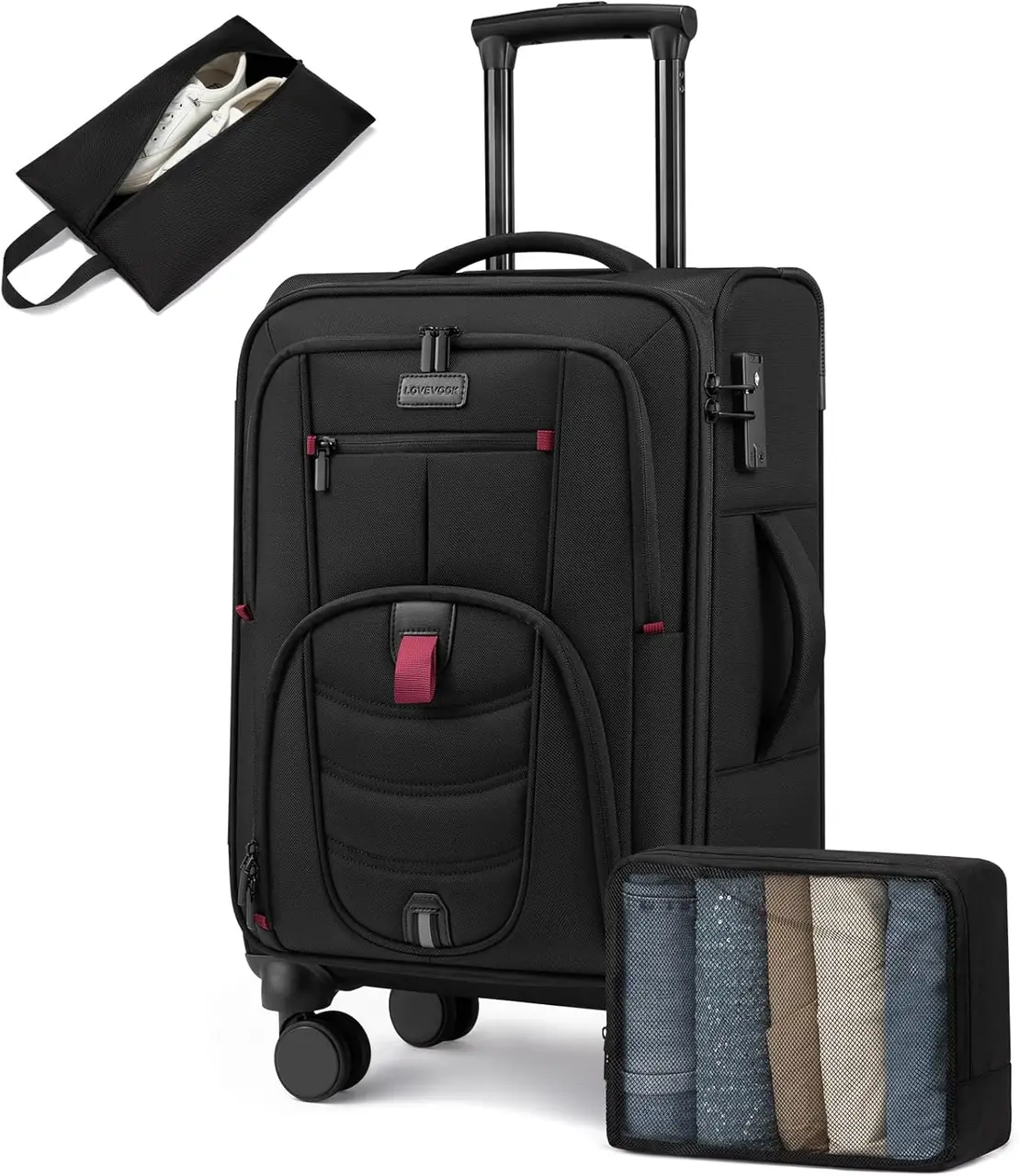
22-Inch Soft Carry-On Luggage
Generic · $45-75 when I bought it
It does the basic job for short flights and train hops, but I wouldn’t trust it for rough handling over the long term. The soft shell is fine if you’re watching weight and don’t pack fragile stuff, but the wheels and zippers are the first things I’d worry about.
- Worth knowing:
- Soft sides get scuffed and look tired faster than hard-shell bags.
- Not great if you overpack; the zipper strain is noticeable when it’s stuffed.
Check current price on Amazon (affiliate link)
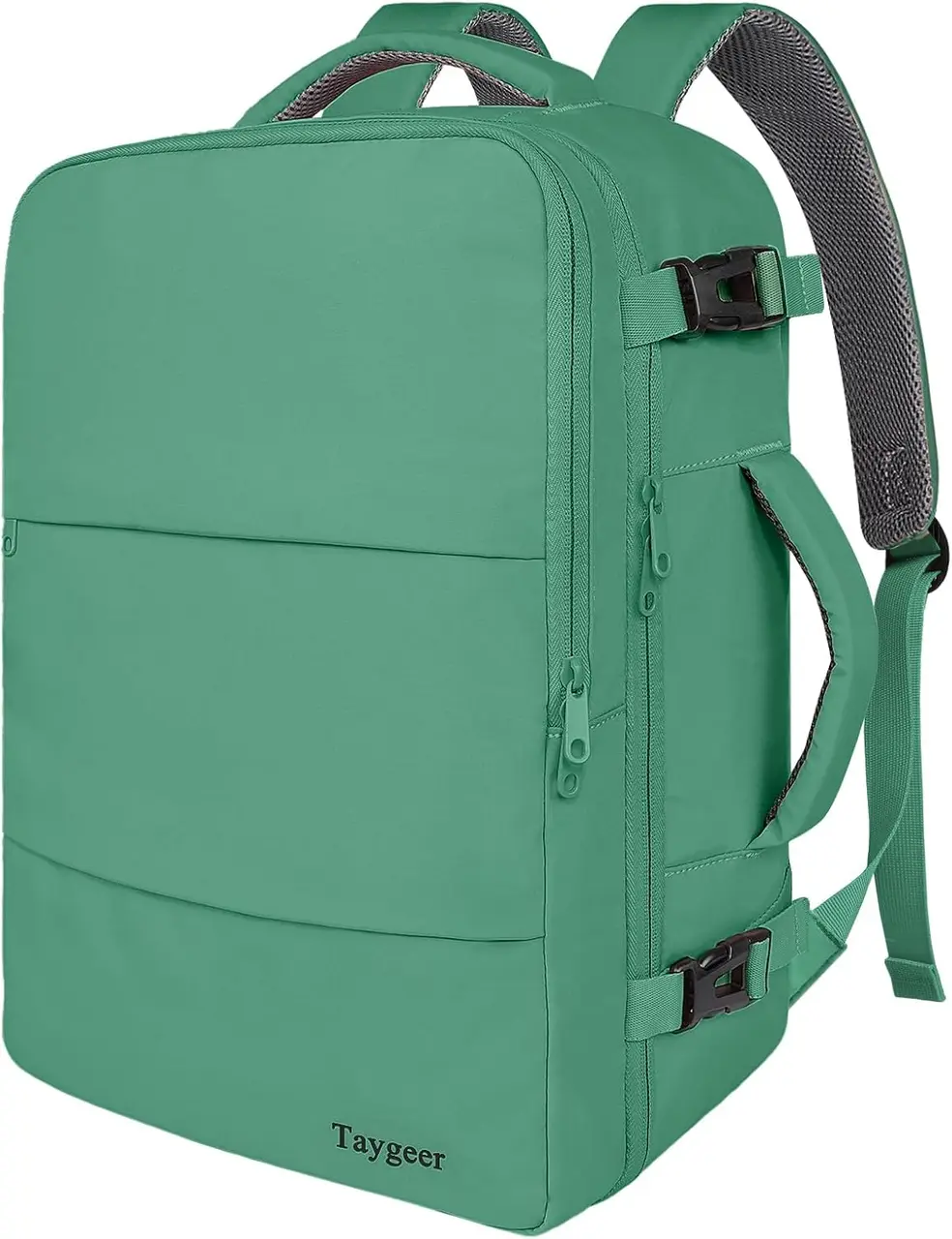
Taygeer 40L Travel Backpack
Taygeer · $28-45 when I bought it
Useful if you want one bag that can pass as a personal item and still hold a lot, but it feels more practical than polished. I like it for transit-heavy days, though once it’s fully packed the shape gets bulky and it starts to feel heavy on one shoulder.
- Worth knowing:
- Fully loaded, it can feel awkward to carry for more than 20-30 minutes.
- The laptop compartment takes up space fast, so the main section shrinks more than you’d expect.
Check current price on Amazon (affiliate link)
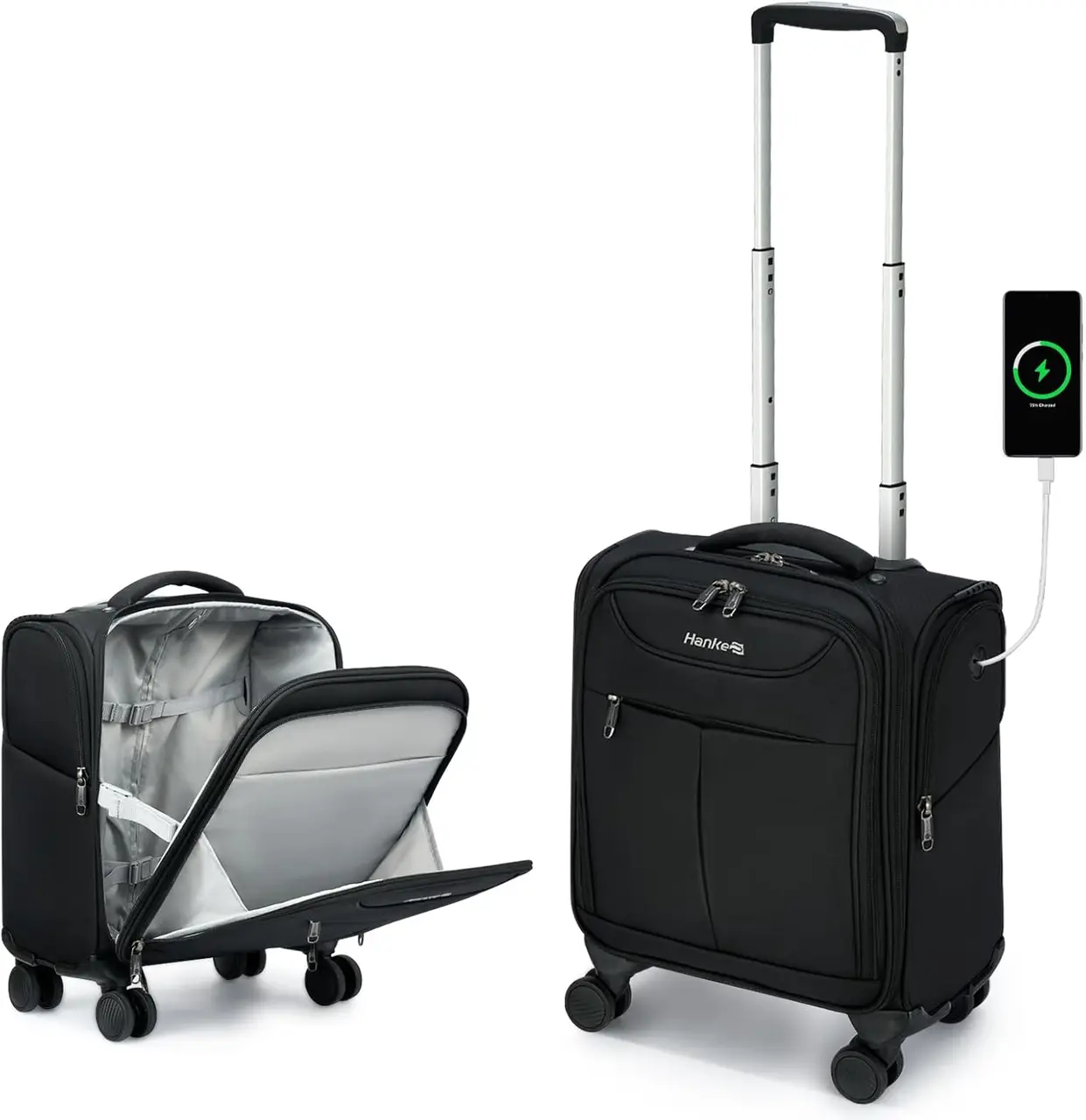
Hanke Underseat Carry-On Luggage
Hanke · $55-90 when I bought it
This makes sense for overnight flights or low-cost carriers where every inch matters. It rolls well under the seat, but the tradeoff is obvious: you get convenience, not much packing room.
- Worth knowing:
- Capacity is tight if you pack anything bulky like boots or a jacket.
- The smaller wheels are fine on airport floors, but less smooth on cracked sidewalks.
Check current price on Amazon (affiliate link)
FAQ
Is the Taygeer 40L actually good for international travel on a budget?
Yes, it is the one I’d pick first for budget international travel. It held my laptop, charger, a change of clothes, and toiletries on a 5-day Los Angeles to Mexico City trip, and I didn’t need to check anything. If you pack like a normal person and not like you’re moving apartments, it earns its space.
Can the Hanke underseat bag replace a regular carry-on?
No, and I wouldn’t try to make it do that job. It works when I only need a laptop, one outfit, chargers, and toiletries for 1 to 2 nights, but bulky shoes or a jacket eat the space fast. If you overpack, you’ll hate it by the gate.
Is the 22-inch soft carry-on worth it over a hard-shell suitcase?
Yes, if you care more about flexibility and lower weight than keeping the exterior pristine. I used mine for 9 months, and it handled short flights and a 1.5-mile walk from the station fine, but the soft sides scuff faster and the zipper gets stressed when I stuff it. I’d pick it again for short trips, not for rough baggage handling.
Which bag is easiest to live with on a long-haul flight?
The Taygeer is the easiest for me because I can keep my laptop, Kindle, charger, and toiletries in one place and still pull them out fast at security. The Hanke is fine if you only need the bare minimum, but it runs out of room quickly. For a 10-hour flight, I want the one that reduces rummaging.
What should I skip if I’m trying not to waste money?
Skip the cheap no-name backpack dupes and the flimsy drugstore rollers. I spent about $32 on one backpack that got uncomfortable fast, and about $39 on a roller that hated sidewalks, which is a bad trade if you travel often. I’d rather buy one decent bag once than replace a bad one twice.
What’s the actual weight difference between the Taygeer and checking a bag for a Bangkok trip?
The Taygeer weighs 1.8 pounds empty, and I’ve kept my total carry-on weight between 18-22 pounds across all my Thailand trips. A checked bag costs $35-50 each way with most budget airlines, plus you lose 2-3 hours at baggage claim—so you’re paying roughly $70-100 for convenience I don’t need. For a 7-day Bangkok run, staying carry-on only saves me money and means I’m at my hostel in Khao San Road by 11 p.m. instead of midnight.
How many outfits can I actually pack in the Taygeer for a week in Bangkok without it looking like a disaster?
I packed 5 shirts, 2 pairs of shorts, 1 pair of lightweight pants, and 7 underwear sets for an 8-day Bangkok and Chiang Mai trip—the key is rolling everything instead of folding. Add a light rain jacket, flip-flops, and toiletries, and you’re at maybe 16 pounds. The Hanke underseat bag would’ve forced me to either check a bag or rewear clothes more often, which I didn’t want to do in 95-degree humidity.
Is the 40L backpack too big to look normal on shorter Bangkok side trips?
Honestly, yes—I felt self-conscious carrying it into cafes and temples, so I started using a 15L daypack for day trips to Ayutthaya or the floating markets. The Taygeer stays at my accommodation, and I pack just a water bottle, phone, cash, and a light shirt in something smaller. It’s not ideal if you’re moving hostels daily, but for a 3-4 day Bangkok base, it’s practical.
What’s the real cost difference between the Taygeer and those $25-30 knockoffs I see on Amazon?
The Taygeer costs about $45-55 depending on sales, and I’ve bought three cheaper 40L bags at $28-32 that lasted maybe 2-3 trips before the zippers got sticky or the laptop compartment padding compressed completely. On my money per trip basis, the Taygeer costs roughly $3.20 per use over 14 months, while those cheap ones cost around $10-15 per use because I stopped trusting them so quickly. In Bangkok’s heat and humidity, that cheap material degrades faster—I saw one backpack’s stitching fail within a month.
Can I actually fit a 13-inch laptop and daily essentials in a carry-on backpack for Bangkok without removing it at security?
I’ve tested this with the Taygeer 40L, and yes, you can fit a laptop in the front compartment while keeping your daily stuff accessible—I packed mine with a 13-inch MacBook, a water bottle, and my toiletries pouch with about 3 inches of space to spare. The key is using the laptop sleeve so you don’t have to remove it at security checkpoints, which saved me at least 5-10 minutes during my last Bangkok departure. Just make sure your backpack itself is under 22 inches in length, which keeps it within most airlines’ carry-on dimensions for Southeast Asia routes.
 Emma Hayes
What I’d Rebuy Immediately
If I had to pack tomorrow, I’d rebuy the Taygeer 40L Travel Backpack first. It’s the one that solved the most annoying part of budget travel for me: keeping a real amount of stuff on my back without turning every transit day into a drag.
I’d also keep the 22-Inch Soft Carry-On Luggage if I had a short trip with a train or a simple flight, because it’s useful when I want wheels and don’t want to baby a hard shell. The Hanke Underseat Carry-On Luggage stays in the maybe pile, only for very short trips where every inch matters and I know I’ll stay light.
That’s the honest version: I’d rebuy the backpack immediately, I’d use the soft carry-on again when the trip is short, and I’d only reach for the underseat roller when the itinerary is tiny and I want zero bin stress.