

I almost wasted $42 on a “Bangkok essentials” sim card bundle at the airport because I was tired, sweaty, and not thinking clearly after a late flight. Then I walked five minutes into the city, bought a cheaper AIS Tourist SIM, and paid a lot less for the same thing. Bangkok in November is worth it for first-timers and budget travelers who can handle heat, traffic, and a city that rewards planning. I’d skip the overpacked, tour-heavy version of the trip and focus on transit, area choice, and a few bookings that actually matter.
Quick answer: Bangkok in November is a solid pick if you want better-value hotels, easier sightseeing than the wettest months, and you’re fine with 26–33°C weather. I’d stay near the BTS or MRT, book the first 2 to 3 nights, and keep the rest flexible.
Why November works, and what it still gets wrong
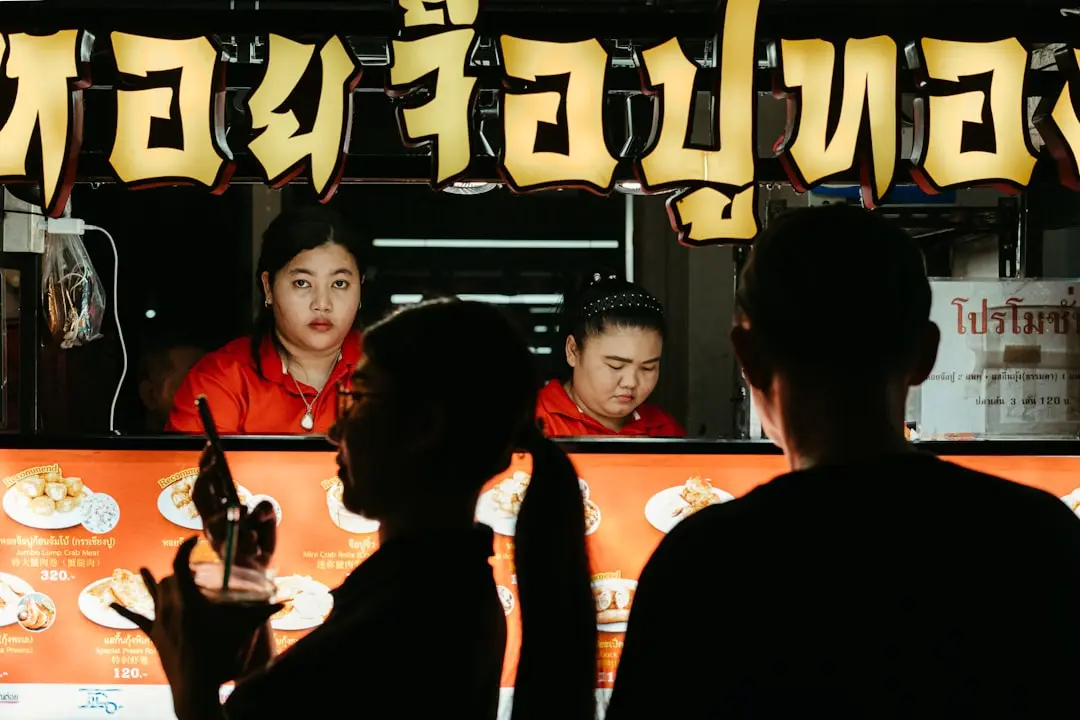
November is the month I’d choose if I wanted Bangkok without the worst of the rainy season chaos. I still got humidity, and I still carried a fan in my bag, but the weather was usable instead of annoying. That difference sounds small. It isn’t.
I expected November to feel cool enough for easy walking. It didn’t. I was in a linen shirt, loose shorts, sunglasses, and still sweating after ten minutes outside near Siam. Still, it was manageable, and the rain was more of a “duck into a café for 20 minutes” problem than a full-day cancellation.
Worth it: Yes, if you want a better shot at dry sightseeing than in September or October.
Skip if: You’re planning to walk everywhere like this is a compact European city. Bangkok punishes that idea fast.
My pick: November is a solid month for a first Bangkok trip, but only if you plan around transit and AC breaks.
The tradeoff is simple: the weather is better, but the city is still hot enough that your day gets shaped by shade, trains, and indoor stops. I bought cold water twice before noon on one day and that was normal, not me being dramatic. If you want a city where you can wander all afternoon without thinking about heat, this isn’t it.
Where I’d stay: BTS/MRT access beats everything else

Bangkok is not a city where I’d pay extra for charm if it meant a miserable commute. I’d rather stay near a station and spend the money on a better room than on tuk-tuks and taxis. For me, the best value was around Asok, Phrom Phong, Siam, and Silom, depending on your budget.
See current Bangkok hotel prices on Agoda →
I stayed in a midrange place near an MRT stop and paid about $58 a night. It wasn’t fancy. The room was clean, the AC worked, and I could get to food, the train, and a 7-Eleven in under five minutes. That sounds basic because it is, and basic wins in Bangkok.
I had a cheaper guesthouse in Old Town and a slightly pricier hotel near Sukhumvit in front of me. I went with the station-adjacent option because the Old Town place would’ve added 25 to 30 minutes every time I wanted to go somewhere useful. The cheaper room would’ve worked if I was planning a temple-heavy trip and staying only one night, but I wasn’t. I paid more for location and didn’t regret it.
Best for: First-timers who want fast access to the BTS or MRT and don’t want to burn energy on cabs.
Skip if: You found a cute place that’s a 20-minute walk from the nearest station. In Bangkok, that walk gets old fast.
My pick: Stay near Asok, Siam, or Silom if you want the easiest logistics. Old Town is only worth it if your trip is temple-focused and short.
See all Bangkok hotels on Agoda when you’re comparing neighborhoods, because the price gap between a station hotel and a random side-street place can be bigger than it should be.
Getting around without wasting money
I’d use the BTS and MRT as much as possible, then grab Grab rides when the station gap is annoying or it’s pouring. That’s the cleanest way to move around Bangkok without getting trapped in traffic. Motorbike taxis are faster, but I only used them for short hops when I was already hot and impatient.
A BTS ride usually cost me around 17 to 47 baht, depending on distance. A Grab across town could jump to 120 to 220 baht once traffic got ugly. A taxi from the airport into the city landed closer to 350 to 450 baht with tolls for me, and that felt fair enough if I was tired.
I almost tried to do Bangkok like I do smaller cities: walk, stop, wander, repeat. Bad idea. I spent 18 minutes walking from a station to a café in the heat and arrived annoyed before I even ordered. That was my clue to stop pretending the city wanted me on foot all day.
Worth it: The BTS and MRT are the best money-saving move in Bangkok if your hotel is near a station.
Skip if: You’re booking a place on the outskirts and planning to “just use taxis.” That math never works out cleanly.
My pick: BTS for Sukhumvit and Siam, MRT for places that sit better on the blue line. I’d only rely on taxis for late arrivals or cross-city trips.
Timing tip: Book airport transfer only if you land late or you’re arriving with a lot of luggage. Otherwise, I’d just take the Airport Rail Link if your hotel connects easily, or a Grab if it doesn’t.
What I’d book ahead, and what I’d leave for arrival

I’d book the first 2 to 3 nights of accommodation in advance, especially if I was arriving on a Friday or near a holiday weekend. Bangkok has enough inventory that I wouldn’t panic-book a whole week, but I also wouldn’t land with nothing lined up and a dead phone battery. I made that mistake once in another city and I’m not repeating it here.
For November, I’d also book any popular rooftop dinner or special river cruise ahead only if it’s part of your trip on purpose. If you’re just hoping to “see what happens,” skip the planning. Bangkok is full of options. That’s the problem and the advantage.
I did not book every activity in advance, and that was fine. I bought a SIM on arrival, used Grab for the first day, and only committed to one paid activity once I knew how hot I felt after lunch. That saved me from overplanning a city that changes pace by the hour.
Book ahead: Hotel for the first nights, airport transfer if you arrive late, anything with a limited seating time.
Buy on arrival: SIM card, local transit card if you want one, casual food plans, and most day-to-day transport.
Skip this: Prepaid “Bangkok city bundles” that lock you into a bunch of things you may not want. I paid $42 for one once, and half of it was fluff.
If you want a floating market or a packaged day activity, I’d book only after checking how much of the day is transit versus actual value. I don’t love guided bus tours here. They chew up time in a city where the best part is moving around on your own.
I book tickets and activities through Klook when I know a time slot will sell out, because November weekends can get tight for the popular stuff.
Food and money: where Bangkok is cheap, and where it isn’t
Bangkok can be cheap if you eat like a normal person. It gets weirdly expensive if you chase rooftop views, imported brunch, or hotel cafés that look prettier than they taste. I’d spend on street food, mall food courts, and one nice dinner if you want it. The rest is easy to keep reasonable.
I paid 60 baht for a plate of pad kra pao with rice at a no-nonsense lunch spot and 55 baht for mango sticky rice from a market stall. A coffee in a mall café was closer to 80 to 110 baht, and that was the kind of expense that sneaks up on you. Not huge. Just annoying if you do it three times a day.
I expected the famous food courts to be tourist traps. Some are. But the ones in big malls like Terminal 21 or CentralWorld are still useful because they’re clean, fast, and cheaper than sitting down in a Western-style café. That’s the part I didn’t want to admit. They’re not exciting, but they work.
Best for: Travelers who want good food without spending much.
Skip if: You only want sit-down restaurants with AC and a menu in English everywhere. You’ll spend more, and that’s fine, just know it.
My pick: Eat local lunch, then save one dinner for a nicer place if you care about the experience. I’d rather do that than blow money on average breakfast.
The one thing I got wrong about This november guide
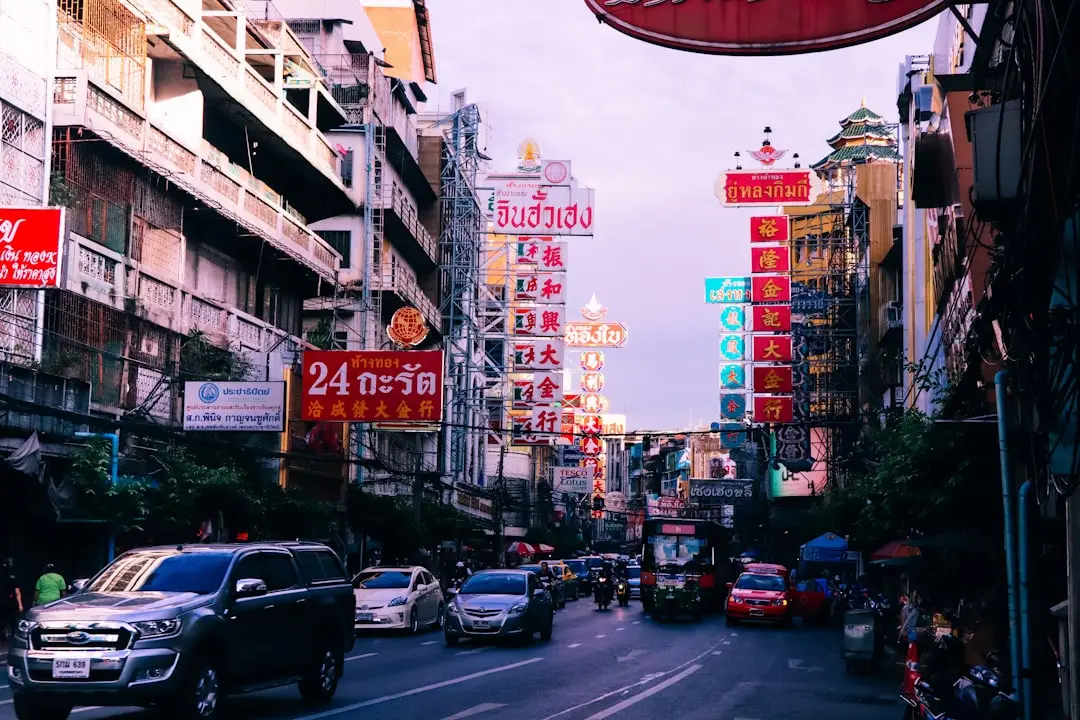
I thought November would make Bangkok feel easier in every way. It didn’t. The weather improved, yes, but the city still demanded planning, and I learned that the hard way on a day when I tried to cross town at rush hour. I left my hotel around 5:10 p.m., figured a Grab would solve it, and watched the fare spike while traffic sat dead. The ride took 48 minutes and cost me 210 baht for a route that would’ve been fine at 2 p.m.
That was the day I stopped treating Bangkok like a place where I could leave logistics to the last second. The consequence wasn’t disaster, but it did cost me time and an evening I wanted to spend at a night market. Next time, I’d build in a buffer, use the train earlier, and avoid cross-city movement right before dinner.
Worth it: Learning Bangkok’s timing matters more than trying to “see everything.”
Skip if: You’re the type who hates adjusting plans around traffic and heat. Bangkok will annoy you.
My pick: Keep one flexible afternoon and don’t schedule two far-apart areas in the same day unless you enjoy being in transit.
What I’d do differently next time
I’d stay one stop closer to the center and pay a little more. The extra 8 to 12 dollars a night would’ve been worth it for the shorter hops, especially at night. I’d also bring a second shirt in my day bag because one sweaty top is manageable, two is smarter.
I’d skip any breakfast-included rate unless the hotel rate was genuinely better. Hotel breakfasts in Bangkok are usually not where the value is. I’d rather spend 70 to 90 baht on something I actually want than sit through a buffet I’m using out of obligation.
What I’d change: Better location, lighter day bag, and fewer assumptions about how fast I’d want to move after 3 p.m.
Rough daily estimates from my own trip. Prices shift by season.
I usually book Bangkok tours on Klook — the best time slots go fast, especially in peak season.
FAQ
Is November a good month for Bangkok?
Yes, I think November is one of the better months for Bangkok. The rain usually backs off compared with the worst of the wet season, and I found the city easier to manage even though it was still hot. I’d still pack for humidity, not for cool weather.
How many days do I need in Bangkok if I’m there in November?
Three full days is my sweet spot. That gave me enough time for one temple day, one food-and-neighborhood day, and one flexible day without feeling rushed. If you only have 48 hours, I’d cut the extra shopping and keep the trip tight.
Is it worth staying near the river instead of the train lines?
No, I wouldn’t pay extra for river charm unless you have a specific river-focused plan. The train lines saved me time and money every single day, while river-area hotels looked nicer but added friction. I’d only choose the river if you care more about atmosphere than moving around easily.
Do I need to book temples and attractions before I arrive?
No, most Bangkok sightseeing doesn’t need advance booking. I’d only pre-book timed experiences or anything with limited seats, because the city’s regular temples and markets are easy to do on your own. If you want flexibility, leave most of it open.
What should I pack for Bangkok in November?
Light clothing, a small umbrella, and shoes that can handle heat and sudden rain. I wore linen and quick-dry fabrics almost every day, and I was glad I brought sunglasses and a fan too. Heavy jeans would’ve been a mistake, honestly.
 Emma Hayes