

I thought Chiang Mai would be worth it. It wasn’t, at least not in the glossy way people online make it sound. The city is better than the hype if you want cheap food, easy day-to-day life, and a base that doesn’t drain you. If you’re asking is Chiang Mai worth visiting, my answer is yes, but only if you want useful travel for not much money. Choose somewhere else only if you want beaches, nightlife that starts late, or a city that feels more intense than calm.
Best for: travelers who want a slow, affordable base with good food and easy logistics.
Skip if: you need big-city energy or you get bored when a place settles into a routine fast.
My pick: Chiang Mai wins for a first northern Thailand stop, but I’d only stay when I had at least four nights.
Quick answer: I’d go to Chiang Mai for cheap food, easy Grab rides, and a low-stress base. Dinner can cost $2 to $4, rides are often 70 to 120 THB, and I’d stay at least four nights.
The case for Chiang Mai: easy days, cheap meals, and a base that doesn’t waste time

Chiang Mai’s strongest argument is that it makes ordinary travel days feel efficient. I could get from the Old City to Nimman in about 10 to 15 minutes by Grab, and a lot of my rides were around 70 to 120 THB, depending on traffic and distance. That sounds boring until you’ve spent a week in a place where every errand takes half the afternoon. Chiang Mai is worth it if you care about cost per value more than novelty.
I ate khao soi for around 60 to 90 THB at local spots, and I paid 40 THB for iced drinks more than once when the heat got annoying. At Warorot Market, I bought fruit and snacks for less than the price of one café pastry in a trendier city. That’s the kind of travel I actually like: low-friction, not fancy. The city rewards simple routines. Breakfast from a street stall, a walk through the moat area, lunch somewhere with plastic chairs, then a slow afternoon. Fine by me.
Best for: travelers who want a cheap base with real day-to-day value.
Skip if: you need every day to feel like an event.
My pick: Chiang Mai beats flashier Thai cities when the goal is stretching a budget without suffering.
I also liked how walkable parts of the Old City felt in short bursts. I’m not saying you’ll walk everywhere. You won’t. But I could string together temple stops, coffee, and lunch without constantly checking a map. That matters more than people admit. A city can be pretty and still be annoying. Chiang Mai is not annoying most of the time.
Where Chiang Mai loses: it gets repetitive faster than the photos suggest

I figured the city would keep surprising me. It didn’t. After a couple of days, the pattern became obvious: temples, cafés, markets, repeat. If that sounds soothing, good. If it sounds like a loop, that’s because it is. Chiang Mai is worth it only if you’re happy with a place that settles into a rhythm quickly.
The thing people oversell is the “local experience” angle. I saw plenty of cafés built for travelers, and some of the night market stalls felt more aimed at spending than discovering. I skipped any guided bus-tour nonsense because that’s not how I travel, and I don’t think Chiang Mai needs it anyway. The city is best when you keep your plans simple. Once you start chasing curated experiences, the value drops fast.
I expected the famous night markets to be a bigger highlight than they were. Some stalls were fine, but I left the big ones feeling like I had walked through a polished version of what was probably better in smaller doses. That’s useful to know. If you want constant stimulation, Chiang Mai will probably feel too tidy after day three.
Best for: people who like routine and don’t need a new highlight every hour.
Skip if: you get restless in places that repeat themselves.
My pick: I’d still take Chiang Mai over a more frantic city for a slow reset, but not for a long stay without side trips.
Cost and convenience: Chiang Mai is cheap in the ways that matter, not the ways Instagram cares about

Here’s the practical comparison that changed my mind. A decent guesthouse or simple hotel in a central area often lands around $25 to $60 a night. I checked a few places near the Old City and Nimman and saw the usual spread: basic but fine rooms, air-con, and sometimes a pool if you’re willing to pay a bit more. If you’re comparing Chiang Mai to Bangkok, the daily pressure on your budget is lower here. If you’re comparing it to smaller Thai towns, Chiang Mai still gives you more choice.
Food was the easiest win. I spent roughly $12 to $20 a day on food when I ate casually, which included street food, a café drink, and one sit-down meal. Transport stayed low too. A short Grab ride was often under $4, and airport transfers into the city are not painful if you don’t overcomplicate it. I paid 150 THB for one ride that saved me a sweaty walk after rain. Worth it. No question.
Time-wise, Chiang Mai is convenient if you stay in the right area. From the airport to the Old City, you’re usually looking at about 15 to 25 minutes depending on traffic. From the Old City to Nimman, I found the trip easy enough that I stopped thinking about it. That’s the whole point. You don’t burn a lot of energy just getting through the day.
Budget-wise: my rough daily spend was about $55 to $90 total, depending on whether I used more rides or stayed local.
Best for: budget-conscious travelers who still want comfort and decent cafés.
Skip if: you’re trying to squeeze every dollar and don’t care about convenience.
My pick: Chiang Mai is worth it when the budget includes good value, not just the cheapest bed.
If you want to book a stay, I’d look at rates near the Old City and Nimman because prices can jump during festivals and long weekends. See all Chiang Mai hotels on Agoda.
Old City versus Nimman: I’d stay in the Old City first, but Nimman works better for a different trip
I had the Old City and Nimman in front of me, and I chose the Old City because it cut down the friction on my first few days. I could walk to temples, snacks, and a few decent cafés without thinking hard. Nimman would’ve worked if I wanted newer cafés, more polished restaurants, and a slightly shinier feel. But I didn’t want to spend my first Chiang Mai trip on ride-hailing loops. That was the tipping point.
See current Chiang Mai hotel prices on Agoda →
The Old City is better if you want to move slowly and keep things simple. It’s not the most exciting area, and the streets can feel a little same-y after a while, but it gives you the easiest version of Chiang Mai. Nimman is better if you care more about cafés, coworking, and staying near more contemporary restaurants. I spent one afternoon there and it felt cleaner and more curated. Also a bit more self-conscious. Fine, just not my favorite.
I made one small mistake here. I assumed staying outside the center would save enough money to justify the extra time. It saved maybe $8 a night, but I lost that back in Grab rides and time standing around in the heat after rain. The trigger was a late lunch run when I had to wait 18 minutes for a ride just to avoid walking 25 minutes in sandals. The consequence was minor in money, annoying in energy, and enough to change how I’d book next time. I’d stay central and stop pretending every cheaper room is a better deal.
Best for: first-timers who want the easiest version of Chiang Mai.
Skip if: you want a more modern café-and-coworking base.
My pick: Old City first, Nimman only if your trip is built around cafés and longer stays.
The part that surprised me: Chiang Mai is better as a base than as a destination you “do”
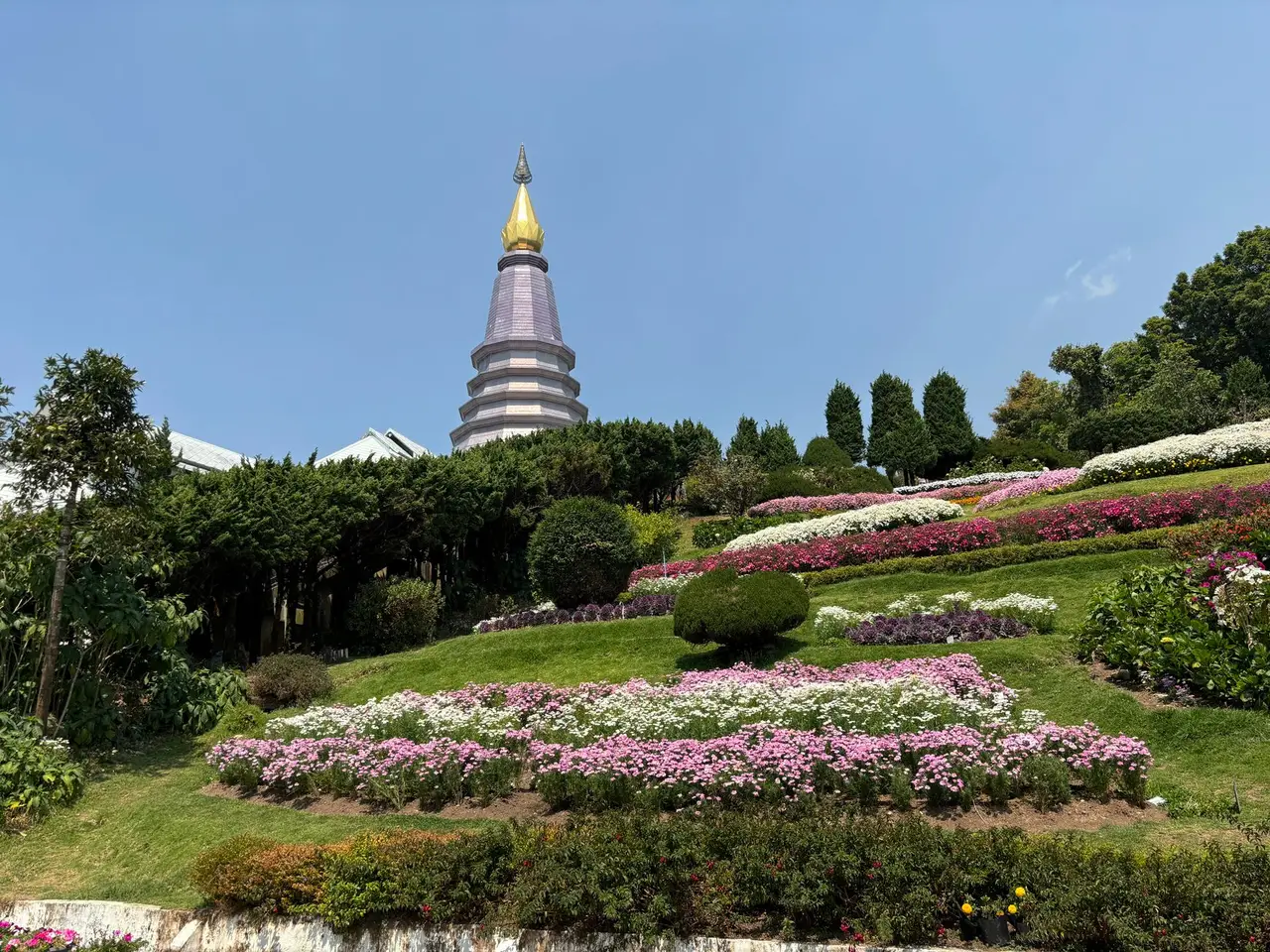
I expected Chiang Mai to be a place I’d tick off in two days. It turned out to work better as a base for a slower week. That shift matters. The city itself is fine, but the surrounding rhythm is what makes it worth it. I’m talking about a day that starts with a cheap breakfast, moves into a temple stop or a café, then leaves room for a short outing without turning into a logistics headache.
I skipped any big guided tour loop because I didn’t want to spend $30 to $60 on a packaged day that would eat the whole day and still leave me tired. Instead, I kept things flexible. That gave me more control over timing, food, and the weather. When the rain came through, I ducked into a coffee shop near the moat and waited it out with a cold drink. That’s a small thing, but it’s the kind of small thing Chiang Mai does well. It reduces friction.
The city is not the reason to come. The way it lets you travel around it is the reason. That’s a slightly annoying distinction, but it’s the honest one. If you’re building a trip around doing a lot in one place, Chiang Mai is worth it. If you want a destination that demands your full attention, it’s probably not enough.
Best for: travelers who like a base with easy side trips and low daily stress.
Skip if: you want the city itself to be the main event every day.
My pick: I’d use Chiang Mai as a base again before I’d use it as a one-note city break.
What I’d do differently next time
I’d stay fewer nights in the city center and add a side trip sooner. Three full days in Chiang Mai city was enough for me to see the pattern, and I think four or five works better only if you’re mixing in nearby nature or another town. I also wouldn’t chase the biggest night market again. Smaller food stops gave me better value and less noise.
I’d pack more breathable clothes and plan around the heat instead of pretending I’d be fine walking everywhere at noon. I wasn’t. Linen and sandals made more sense than trying to dress for some imaginary cool-weather version of Thailand. Small thing, but it changed the day.
I’d also book my stay a little more carefully around location. The extra $8 to $15 a night for a good central spot pays back quickly when you’re not burning time and energy on short rides.
Rough daily estimates from my own trip. Prices shift by season.
1. I booked a three-night stay thinking that would be enough to “get” Chiang Mai, but by night two I realized the city only starts to make sense once you stop treating it like a checklist—I’d wasted 6 hours on a poorly-timed temple tour instead of just sitting in a café, and I missed the rhythm of the place entirely. Now I’d commit to at least four nights minimum, because Chiang Mai isn’t built for the highlight-reel pace I was forcing.
I usually book Chiang Mai tours on Klook — the best time slots go fast, especially in peak season.
FAQ
Is Chiang Mai good for a first trip to Thailand?
Yes, Chiang Mai is good for a first Thailand trip if you want an easy, low-stress base. I found it simpler than bigger, louder cities, and the food and transport were easy to figure out fast. If you want beaches or nonstop nightlife, I’d start somewhere else.
How many days do you actually need in Chiang Mai?
Three to four nights is the sweet spot for me. That gave me enough time to eat well, see the Old City, and still avoid feeling like I was repeating myself. If you stay a week, I’d add a side trip or you’ll probably get restless.
Is it better to stay in the Old City or Nimman?
I’d stay in the Old City first. It cut down on rides, made temple-hopping easy, and kept the trip simple when I was still getting my bearings. Nimman is better if your trip is more about cafés, coworking, and newer restaurants.
Is Chiang Mai expensive compared with other Thai cities?
No, Chiang Mai is one of the better-value places I’ve stayed in Thailand. I could eat well for $12 to $20 a day and keep transport low with short Grab rides. The only time costs climbed was when I booked a less central place and started paying for the distance in time.
Would you go back to Chiang Mai?
Yes, but I’d use it as a base rather than a standalone city break. I liked the cheap food, easy movement, and low-pressure days, but I wouldn’t go back expecting constant excitement. I’d return for a slower week with one or two side trips, not for a long stay in the same routine.
 Emma Hayes