
I almost wasted ¥8,000 on one of those “easy” Tokyo days that looked efficient on paper and turned into a lot of walking, waiting, and one very bad lunch choice. I also burned nearly 3 hours on train detours because I assumed Google Maps would save me from everything. Common Tokyo tourist mistakes solo 2026 start with trying to cover the city like a checklist, and Tokyo is still worth it, but only if you stop doing that.
I’d say this post fits solo travelers who want to move fast, eat well, and keep spending sane. It’s not for people who want to sit through long queues, guided bus tours, or overpriced “local” experiences that feel manufactured. What matters most in Tokyo is distance, timing, and whether the stop actually earns the detour.
- I’d still go to Tokyo solo. I just wouldn’t repeat the same dumb routing mistakes.
- Most of my losses came from time, not money. The biggest one was a half-day I couldn’t get back.
- If you care about value, walkability, and food that isn’t built for Instagram, this city rewards you. If you don’t, Tokyo gets expensive fast.
Quick Answer: My biggest solo Tokyo mistakes were cramming Shibuya, Harajuku, Meiji Jingu, and Asakusa into one day, trusting a ¥540 convenience-store lunch, getting lost in Shinjuku station, and paying about ¥7,500 for a food tour that left me hungry.
Main Tips
I tried to do too much in one day, and Tokyo punished me for it

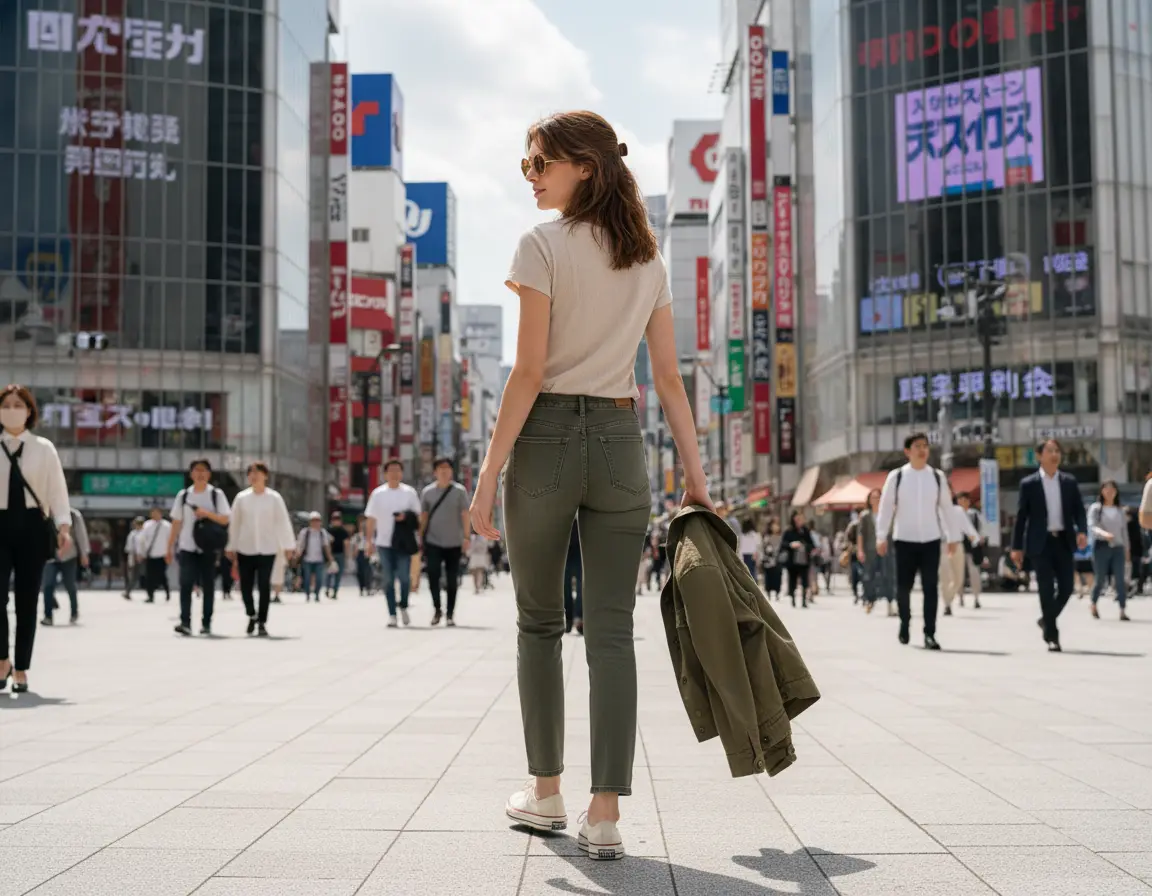
I figured I could stack Shibuya, Harajuku, Meiji Jingu, and Asakusa into one solo day because the map made it look manageable. That logic seemed fine. The train system is efficient, the distances don’t look huge, and I was feeling annoyingly optimistic at 9 a.m. with my sunglasses on and my jacket in hand.
The trigger was simple: I kept adding one more stop every time I finished the previous one faster than expected. I left Shibuya crossing, walked around Harajuku, then decided I “might as well” swing by Meiji Jingu before heading across town. By the time I got to Asakusa, I was dragging. I spent about 2 hours just on transit and station walking, plus another 45 minutes eating a forgettable ¥1,200 lunch I picked because I was hungry and impatient.
The consequence was not dramatic, just annoying in the worst way. I missed the late-afternoon window I wanted at Senso-ji, skipped a ramen place I’d actually been looking forward to, and got back to my hostel tired enough to not care. I wasted most of a day on movement instead of anything memorable.
The hindsight is pretty simple: I’d do one central Tokyo zone per half-day, not three. If I start in Shibuya, I’d keep it to Shibuya and nearby neighborhoods like Harajuku or Omotesando. If I want Asakusa, I’d give it its own block and pair it with nearby streets, not cram it into a “while I’m here” day. Best for: slower solo days with room for food stops. Skip if: you’re trying to see six landmarks before dinner. My pick: fewer stops, more actual time on foot.
I trusted the first convenience-store lunch too much
I thought I was being smart by skipping a sit-down meal near Ueno and grabbing something quick from a convenience store. Tokyo makes that feel normal, so I told myself it was efficient. I paid about ¥540 for a sandwich, drink, and snack, which sounded fine compared with the ¥2,000 set lunch menus nearby.
The trigger was the exact wrong kind of hunger. I’d been walking for hours, the weather was warm enough that I didn’t want anything heavy, and I didn’t want to wait in line anywhere. So I took the easy option: a packaged sandwich from a chain store and a coffee. It was fine. That’s the problem. Fine is not the same as good.
The consequence was that I got full in the cheapest possible way and still ended up buying another snack 90 minutes later for ¥330 because the first lunch didn’t hold. I also missed a tiny curry shop near Kanda that looked far better than the convenience-store meal I settled for. I saved maybe ¥1,000 and lost the chance to eat something I’d actually remember.
The hindsight: I’d keep convenience-store food for backup, not lunch. If I’m already in a food district, I’d spend the extra ¥700 to ¥1,500 on a proper meal, especially in Tokyo where even simple places can be very good. Best for: transit gaps and late-night hunger. Skip if: you’re using it to replace one of the day’s main meals. My pick: a cheap set lunch over a random packaged sandwich every time.
I treated Shinjuku station like a normal station, and that was a mistake
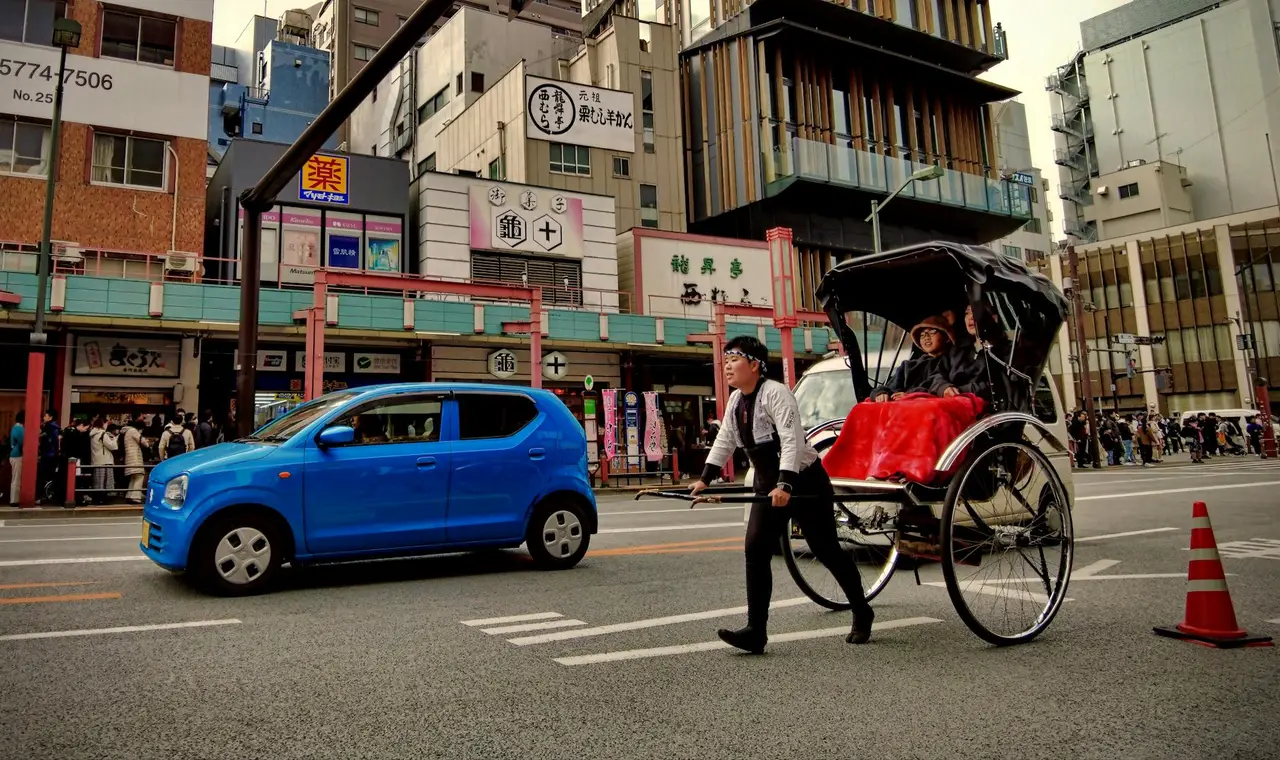
I thought I could pop out of Shinjuku, find the exit I needed, and keep moving. That sounded reasonable because I’d used other big Tokyo stations without much trouble. I was wrong. Shinjuku is a maze with signs, not a station with exits.
The trigger was me choosing the wrong side of the station after lunch and then assuming I could just cross through. I tried to “save time” by cutting through the building instead of going back out and reorienting. That decision cost me about 35 minutes, and I nearly missed a meeting point for a solo dinner reservation I’d made nearby. I also ended up walking in circles past the same bakery twice, which was embarrassing in a very ordinary way.
The consequence wasn’t a disaster, but it was a real drain. I was sweaty, annoyed, and late enough that I stopped enjoying the area. Shinjuku can be useful, but it’s not an easy place to wing it if you’re tired or carrying a bag.
The hindsight is to treat Shinjuku like an airport: pick your exit before you arrive, and don’t assume the shortest line on the map is the fastest route in real life. I’d also avoid scheduling anything time-sensitive on my first pass through that station. Best for: people who already know the station layout. Skip if: you’re arriving hungry, rushed, or trying to meet someone on the first try. My pick: use a station map before you get there, not after you’re lost.
I went to a famous spot at the wrong hour and got exactly what I deserved
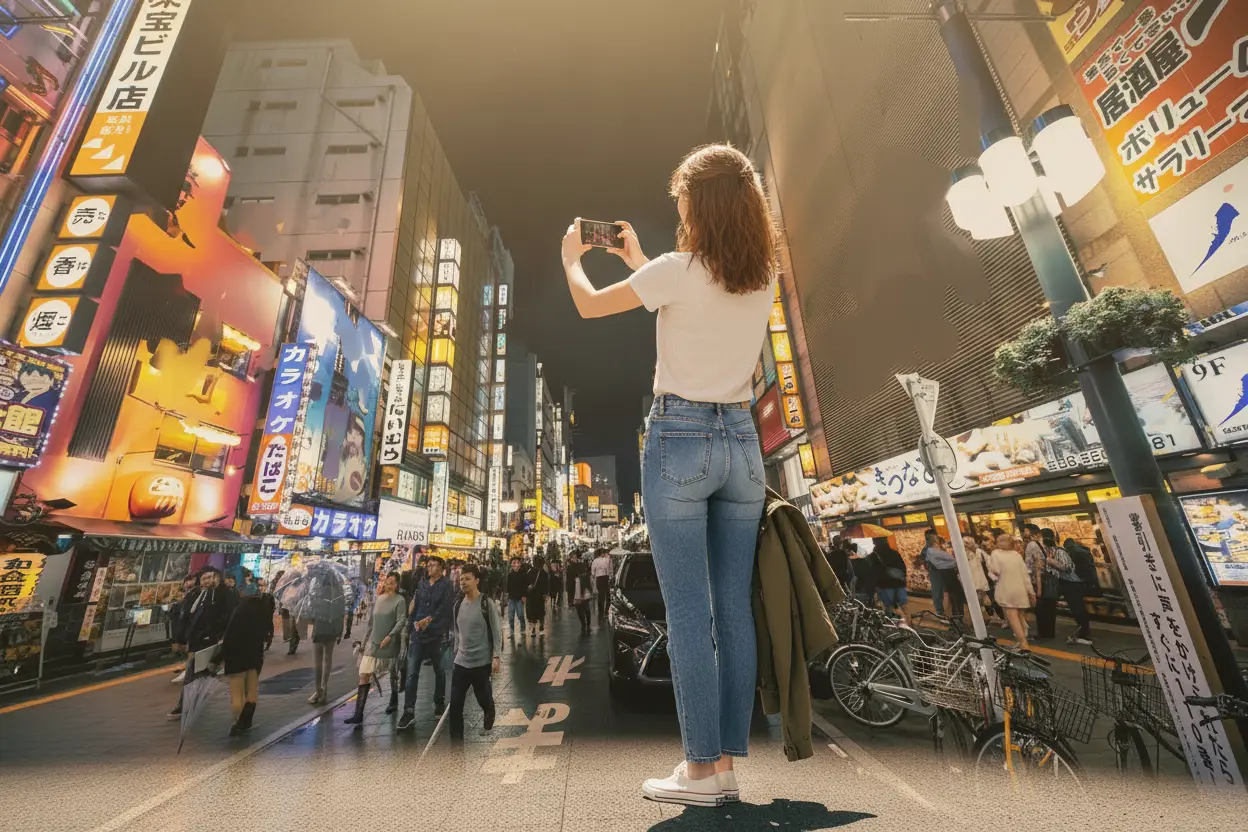
I expected one of Tokyo’s biggest photo spots to be busy, but I still underestimated how fast it turns into a crowd funnel. I showed up around 10:15 a.m. because I thought weekday timing would save me. It didn’t. The main path was packed, people were stopping every few steps for photos, and I spent more time waiting for gaps than actually looking around.
The trigger was arriving after the morning rush of people who were clearly ahead of me. Once I saw the crowd density, I should’ve left immediately or come back later. Instead, I stayed because I’d already made the trip and I didn’t want to “waste” it. That stubbornness cost me about 40 minutes and a lot of patience, and the place itself felt more staged than fun.
The consequence was that I left with a few usable photos and zero sense that the stop had earned the hype. I also lost time I could’ve used somewhere calmer, like wandering a neighborhood street or sitting down with coffee for ¥450
The hindsight is to go early or not at all. If I’m doing a famous Tokyo sight that pulls crowds, I want to be there before 8:30 a.m. or I’d rather skip it and spend the time somewhere less crowded. Best for: early risers with a camera and patience. Skip if: you hate standing around other people’s tripods. My pick: beat the crowd or leave it for someone else.
I paid for a “local” food experience that didn’t feel local at all
I figured one of those small-group food tours would be an easy way to cover a lot of ground on my first couple of days. The photos looked good, the reviews were okay, and I thought it might solve the “where do I eat tonight?” problem in one shot. I was tired, new in town, and willing to pay for convenience.
I usually book Tokyo tours on Klook — the best time slots go fast, especially in peak season.
The trigger was booking a cute-looking food walk that promised hidden neighborhood stops and a “real Tokyo” feel. The actual evening was a line of polished stops with tiny portions and a lot of scripted commentary. I paid about ¥7,500 and left still hungry enough to buy a ¥300 onigiri on the way back. That hurt more than the price itself.
The consequence was that I spent money on something that removed the one thing I wanted most: choosing what I actually felt like eating. The food wasn’t bad, but it was all very packaged. I could’ve done better wandering on my own in a neighborhood with actual dinner options and spending half as much.
The hindsight is that I’d only book a food activity if it gives me access I can’t get solo, like a hard-to-find tasting or a very specific market visit. Otherwise, I’d rather spend ¥1,000 to ¥2,500 on my own dinner and pick the place based on what looks busy with locals. Best for: travelers who want structure or have zero appetite for decision-making. Skip if: you care about value or want to eat like a person, not a participant. My pick: book the meal, not the performance.
I pre-booked on Klook when I needed timed entry or a small-group slot that could actually sell out. That saved me from standing in a ticket line once, and in Tokyo that alone can be worth the booking fee.
I assumed every neighborhood would feel worth the detour
I kept thinking each stop had to be a full “experience” because that’s how Tokyo gets sold online. So I wandered into areas just because they were famous, not because they matched the kind of day I was having. That was my logic, and it was bad logic.
The trigger was chasing a specific neighborhood after lunch because it showed up in every itinerary video I’d seen. I got there, walked around for about 25 minutes, bought a drink for ¥180, and realized I didn’t actually want to stay. The streets were fine. I just didn’t care enough to be there. That’s not the same thing as a bad place. It’s a bad match.
The consequence was a small one in money and a bigger one in energy. I lost the better part of an hour round-trip and made myself feel behind for no real reason. Tokyo is full of places that are okay to pass through but not worth building your day around.
The hindsight is to ask one blunt question before I go anywhere: what am I actually getting here that I can’t get two blocks from my current stop? If the answer is mostly “content,” I skip it. Best for: people who like wandering without a strict plan. Skip if: you’re short on time and trying to make each stop count. My pick: choose areas that match your meal, transit, or museum plan — not your feed.
For a deeper look at cheap hotels tokyo solo 2026, I covered this in my Best Cheap Hotels Tokyo Solo 2026.
If cheap eats tokyo solo traveler matters to your trip, my Cheap Eats Tokyo Solo Traveler has the specifics.
I wrote a more detailed breakdown in Best Hostels Tokyo Solo Female 2026 — worth reading if you’re still deciding.
The night I nearly missed my last train because I stayed out for one more drink
I thought I was being relaxed. I had dinner in Ebisu, then decided to have one more drink because the place was easy, the weather was warm enough that a light jacket was enough, and I didn’t feel tired yet. It was one of those harmless-looking decisions that always costs more than it should.
The trigger was staying an extra 35 minutes after I’d already checked the train times once. I assumed I still had a comfortable buffer. Then I checked again and realized I was cutting it close. I left too late, power-walked back to the station, and still barely made it. If I’d missed it, the taxi home would’ve been around ¥2,500 to ¥4,000 depending on traffic, and I really didn’t want to pay that for a decision I made over a second drink.
The consequence was stress I didn’t need and a final 10-minute sprint that turned a nice evening into a race. I made the train, but I didn’t enjoy the ride back. Tokyo after dark is great. Tokyo after dark when you’re watching the clock is just expensive anxiety.
The hindsight is to check the last train before I order the second round, not after. If I’m solo and staying out late, I want a direct line home and a clean cutoff time. Best for: people who are good at watching the clock. Skip if: you know you’ll lose track after one drink. My pick: leave before the evening gets sloppy.
What I’d do differently next time
I’d build Tokyo around fewer neighborhoods and better meals. That would fix most of the problems I had. I’d also stop treating famous spots like they need to be “covered” and start treating them like optional stops that have to earn their place in the day.
I’d leave the first day lighter, keep one flexible meal slot open, and check train times before dinner instead of after. And I’d stop paying for anything that exists mainly to look good online. Fine, not great. That math never works out for me.
Best for: solo travelers who want Tokyo to feel efficient, not exhausting, and who care about value per hour.
Skip if: you want every day packed with famous landmarks, paid tours, and no dead time.
Next time: I’d plan one main area per half-day, eat better lunches, and leave earlier at night so the last train doesn’t control the mood.
FAQ
Is Tokyo a bad city for solo travelers who hate crowds?
No, it’s still a good solo city if you’re picky about timing. I just wouldn’t show up at the obvious photo stops around 10 a.m. and expect space. Early mornings, smaller neighborhoods, and train-based day planning make a huge difference.
How many neighborhoods can I realistically do in one day?
Two is the limit if I want the day to feel good. Three usually turns into a lot of platform time, random snacking, and one stop I barely remember. I’d rather do less and actually eat somewhere decent.
Is it worth paying extra to stay near a major station in Tokyo?
Yes, if you’re solo and moving around a lot. I’d pay more for easier station access because a 15-minute walk with a bag gets old fast, especially after a late night or a long transit day. The money difference usually feels smaller than the energy you save.
Should I book food tours or just eat on my own?
I’d eat on my own unless there’s a very specific tasting or access-only experience I can’t do solo. Most food tours I’ve seen cost enough that I’d rather spend that money on two or three real meals. Tokyo is one of the easiest cities I’ve been to for eating well without a guide.
What’s the biggest Tokyo mistake to avoid on a short trip?
Don’t let the station map trick you into overbooking the day. Tokyo is efficient, but transfer time, platform walking, and decision fatigue still add up. I’d keep one unplanned block in the middle of the day so I’m not rushing every single stop.
 Emma Hayes