

I almost wasted ¥2,400 and half a day trying to “see” Sapporo the way the internet packages it. I also nearly burned an evening on a food stop that looked iconic online and turned out to be mostly a queue with a roof. My honest take: Sapporo is worth it for people who like good food, easy transit, and a city that doesn’t try too hard. It’s not for travelers chasing nonstop landmarks or polished day-tour energy. What matters most here is timing and location. Get those wrong, and the city feels slower than it needs to be. These are the sapporo mistakes first time visitors make when they try to pack too much in.
Quick answer: Sapporo is a good first stop if you want efficient transit, cheap eats, and a city break that feels lived-in. I’d use the subway early, go to Nijo Market before 9 a.m., skip the beer museum unless beer history is your thing, and stay near Odori or Sapporo Station instead of paying extra for Susukino.
Main Tips

I Tried to Walk Sapporo Like a Compact City
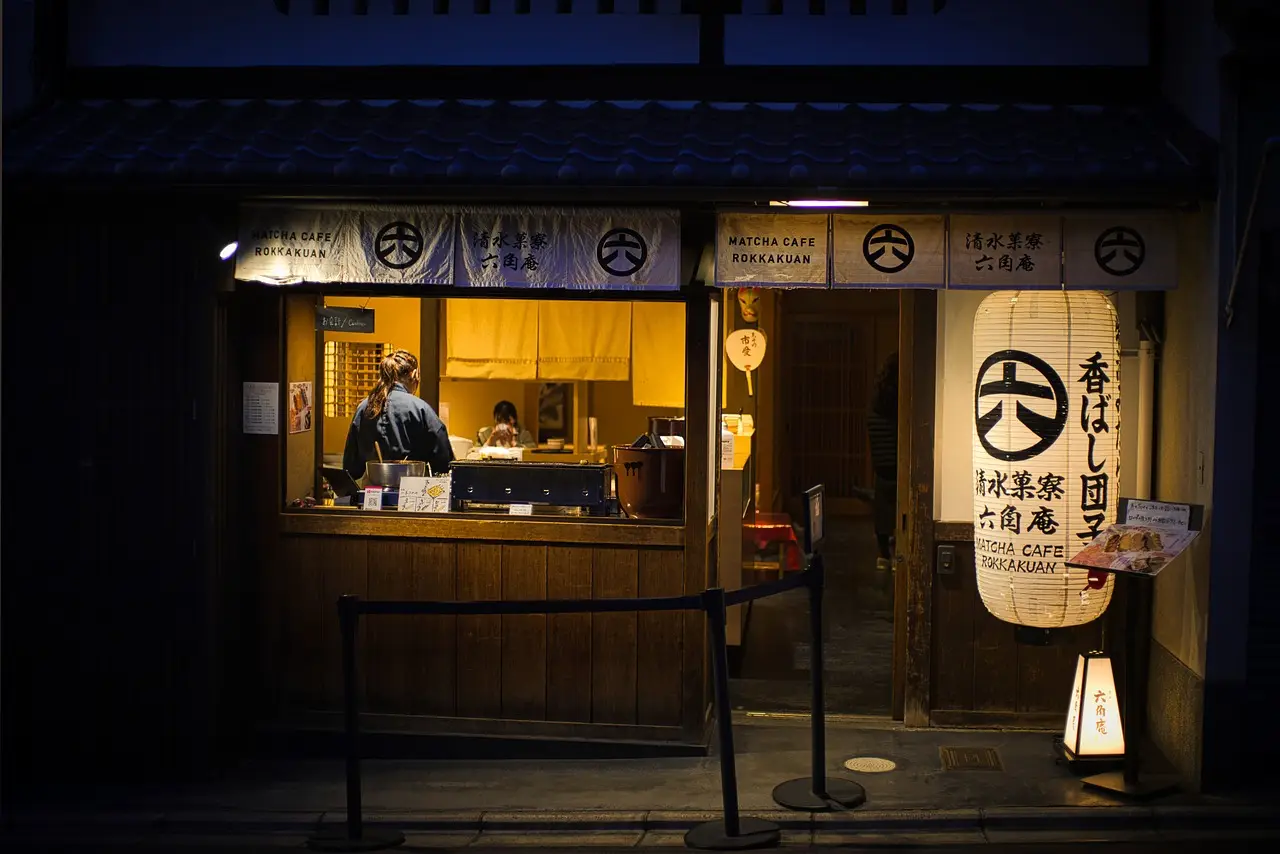
I landed thinking Sapporo would be one of those cities you can skim in a day if you keep moving. Odori Park, the TV Tower, a beer hall, maybe a quick dinner. On a map, it looked tidy enough. The subway is simple too, which made the whole thing feel even more manageable than it was.
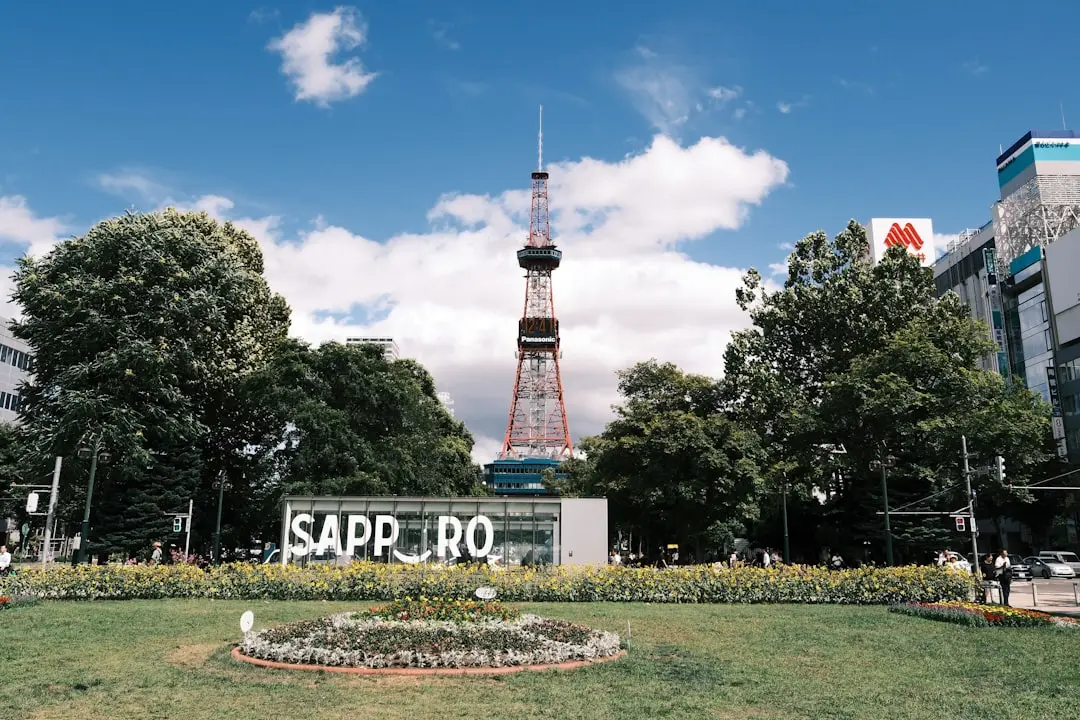
By midday I was walking more than I should have. I started at Odori, drifted toward Susukino, then kept going because everything still looked “close enough.” It was 6–17°C and partly cloudy, so I had my jacket in hand half the time and kept stopping to put it back on. That doesn’t sound like much, but it broke the rhythm. I burned about 2 hours on extra walking and backtracking, then paid ¥620 for a subway ride I should’ve taken earlier anyway.
The city didn’t fail me. My pacing did. Next time I’d split Sapporo into smaller blocks and stop pretending the center is something I need to conquer on foot. Odori and the TV Tower together. Susukino together. Anything farther out gets its own half-day. If I want to walk, I’d do it when I’m not trying to “cover” the city.
I Showed Up at Nijo Market Too Late for the Good Flow
I figured Nijo Market would reward an early start, but I still drifted in around 10:30 a.m. because breakfast had run long. That felt harmless at the time. I wanted seafood, not a schedule.
The problem was that the better-looking stalls already had lines, and the walkways felt less like a market and more like a slow funnel. I paid ¥1,800 for a bowl that was fine, not great. Fresh enough, sure. But I spent more time watching other people take photos than actually enjoying the meal. It had the feel of a managed tourist stop with market pricing, which is not what I wanted from it.
I lost about 45 minutes deciding where to eat, then another 20 minutes eating something I wouldn’t go back for. If I’m going to do Nijo Market again, I’d go before 9 a.m. or skip it entirely and eat somewhere simpler if I’m not in the mood for a queue. If I only had one food stop in Sapporo, I’d rather spend the money on soup curry or a sushi counter that doesn’t need the extra theatre.
I Built Too Much of My Day Around the Sapporo Beer Museum
Here’s where my logic was fine, but the outcome wasn’t. Sapporo and beer are tied together, so I assumed the Sapporo Beer Museum would be a clean, cheap stop with a solid payoff. I wasn’t wrong about the theme. I was wrong about how much of the afternoon it would eat.
I went in expecting a quick visit, then maybe a drink after. The museum itself was okay. The part that got me was the pacing. I had to work around the tasting room timing, and once I added the transit and the time inside, the whole thing swallowed more of the day than I wanted. I spent about ¥500 on the museum side and then more on beer and a snack, which pushed the total closer to ¥1,500 before I’d even moved on to anything else.
I lost roughly 90 minutes, and the payoff didn’t match it. I left thinking, “Okay, that was fine,” which is not the same as being glad I built my day around it. I’d only go again if I was already nearby or if I had a beer-focused day planned. Otherwise I’d save the time and drink somewhere simpler.
I Paid for a Susukino Base I Barely Used
I thought staying right by Susukino would save me time because everything would be within reach. Easy dinners, easy subway access, no long return trip after dark. That sounded smart on paper.
What actually happened was that I kept heading back toward Odori and Sapporo Station during the day anyway. By the third evening I realized I was paying extra for a location I was barely using. I’d walked past cheaper places near the station that looked just as practical for my route, maybe more so.
I spent about ¥2,000 more per night than I needed to, and over three nights that added up to ¥6,000. That’s not a disaster, but it’s real money on a solo trip. The tradeoff was simple: I got easy late-night food, but I didn’t get enough extra value from the location to justify the premium. Next time I’d stay near Sapporo Station or Odori unless I knew I’d be out late in Susukino every night.
I Added a Side Trip Without Checking My Energy
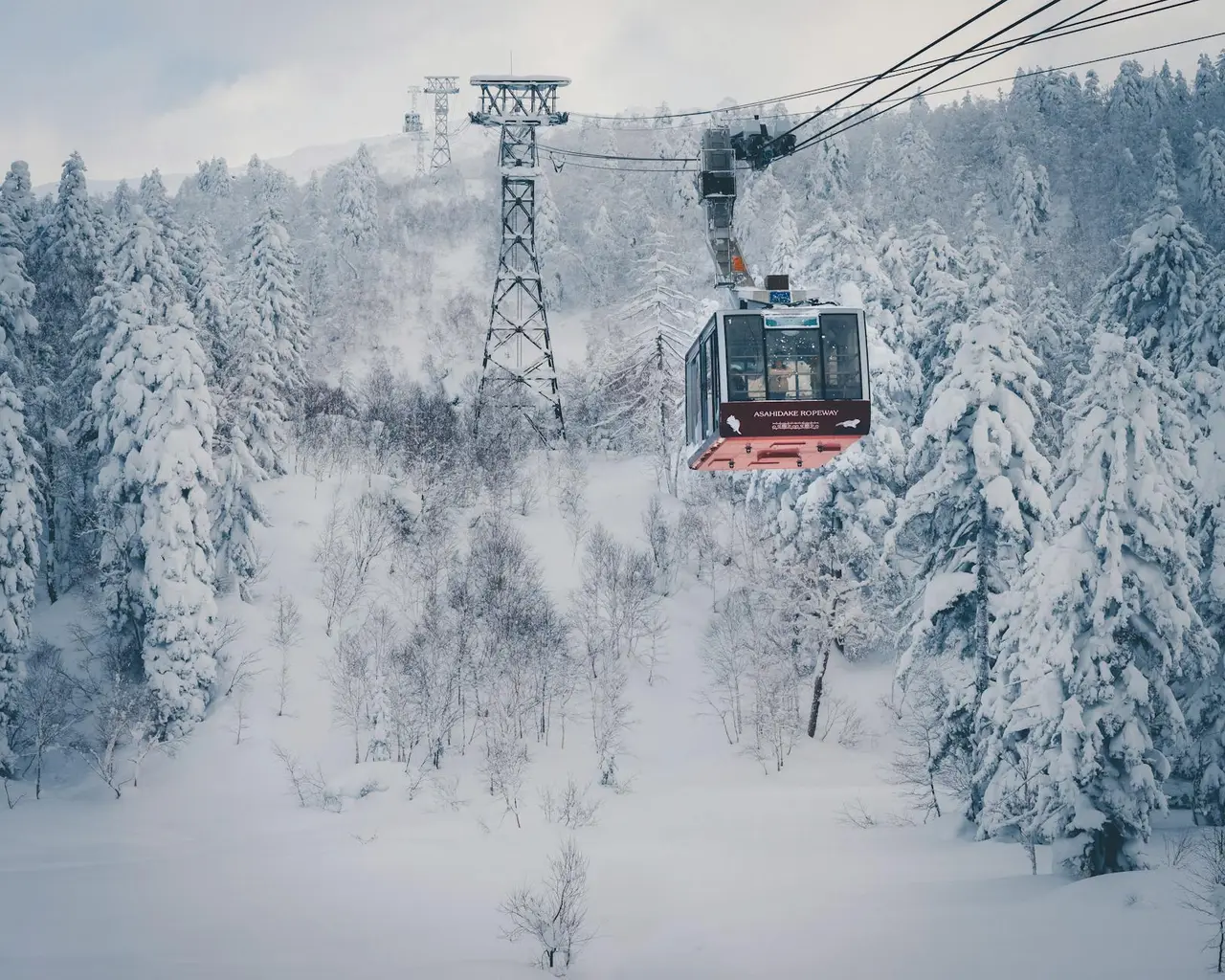
I expected Sapporo to feel like one continuous downtown, and that was the part I got wrong. The center is straightforward. The farther I went for something scenic or less urban, the more the day depended on transit timing, weather, and whether I’d packed enough layers. I had sunglasses on, scarf in hand, and a light jacket I kept taking off and putting back on. That kind of day needs fewer ambitions, not more.
The mistake was bolting on a side trip without checking whether it fit the rest of the day. I assumed I could just add one more thing because the trains looked easy enough. They were. My energy wasn’t. By the time I got back, I’d spent extra time waiting, riding, and resetting instead of actually enjoying the stop I’d added.
I burned about 2.5 hours on transit and transitions, then missed the relaxed dinner window I’d planned in the city. That part annoyed me more than the ride itself. Sapporo punishes sloppy stacking. Not harshly, just enough to make the day feel padded. I’d keep one out-of-center stop per day, max, and stop trying to turn the city into a checklist.
I Chased One More Meal When I Should’ve Stopped
My last mistake was the dumbest one. I was hungry, it was getting late, and I thought I could squeeze in one more famous-ish food stop before heading back. That always sounds harmless when you’re looking at a map and not at your own tired feet. I figured the extra walk would be worth it because Sapporo is a food city and I didn’t want to leave feeling like I’d played it safe.
The trigger was not stopping when I already had a decent meal option in front of me. I kept walking because the second place had better online photos. Bad move. I ended up paying ¥1,200 for something average and then another ¥620 for the ride back because I was too tired to walk the full way. So the “cheap extra stop” turned into a pricier, worse dinner.
I wasted about 70 minutes, spent ¥1,820, and got a meal I didn’t even finish feeling excited about. It wasn’t dramatic, but it was exactly the kind of small mistake that makes a trip feel more tiring than it needs to be. Next time I’d stop once I have one decent meal and not chase a second one unless I’m genuinely still hungry. Sometimes the better move is just getting back before dinner turns into a scavenger hunt.
I usually book Sapporo tours on Klook — the best time slots go fast, especially in peak season.
FAQ
Is Sapporo easy to do without a car?
Yes, I’d do it without a car. The subway and walking cover the center well, and the city gets easier once you stop trying to treat every side trip like a spontaneous add-on. I spent ¥620 on one subway ride and wished I’d used it sooner.
How many days do you actually need in Sapporo?
Three days is the sweet spot, and two can work if you keep it tight. I think one day is too rushed unless you’re only doing food and one neighborhood loop. With three days, you can handle the city center, one market morning, and one slower extra stop without turning it into a sprint.
Is Nijo Market worth the early wake-up?
Yes, but only if you go early. I showed up later and paid ¥1,800 for a bowl that was fine, then spent almost an hour dealing with lines and slow foot traffic. If you’re not there before 9 a.m., I’d rather eat somewhere less staged.
Would you stay near Susukino again?
No, not for my next first-time Sapporo trip. It cost me about ¥6,000 extra over three nights, and I didn’t use the nightlife convenience enough to justify it. I’d pick the station or Odori area unless my trip was built around late dinners and bars.
Is the beer museum a good use of time?
Only if you already care about beer history or you’re nearby. I lost about 90 minutes there and left thinking it was fine, not essential. If your schedule is tight, I’d cut it before I’d cut a good meal.
 Emma Hayes