
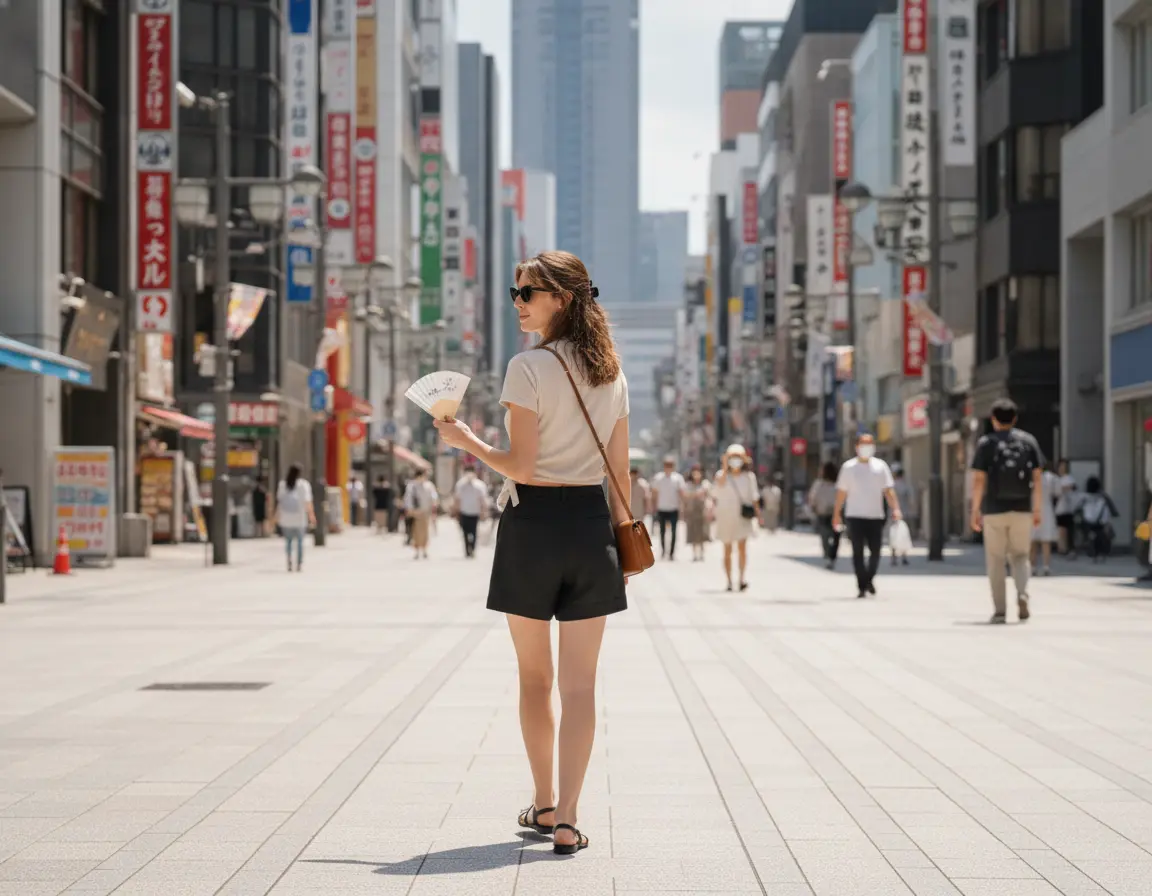
8 stops: that’s how many Nagoya food places I’d actually build a day around, and I still wouldn’t spend more than about ¥6,000 if I kept it smart. I went in expecting the city’s food scene to be mostly “regional specialty” hype, and some of it is, but a few cheap, specific meals really made the trip worth the calories. The trick is picking the places where the food is the point, not the souvenir menu.
If you’re trying to budget a Nagoya street food tour in 2026, I’d do it. It fits travelers who want to eat a lot without blowing the day’s budget, and it works best if you’re happy to walk, hop on the subway, and skip anything with a queue that looks like a theme park line. If you want polished tasting menus or guided bus-tour energy, this isn’t your lane.
The real decision is simple: spend on the food stalls and old-school counters that Nagoya does well, and skip the places that sell the same “local” snacks at double the price because they’re near a landmark. I paid ¥500 for one lunch item that actually felt local, and I also walked away from a ¥900 version of the same thing near a tourist cluster. That math never works out.
Quick answer: I’d budget about ¥4,000 to ¥7,000 a day for a Nagoya street food tour in 2026. My best-value stops were Osu for snacks, Yabaton for miso katsu around ¥1,500
Restaurants
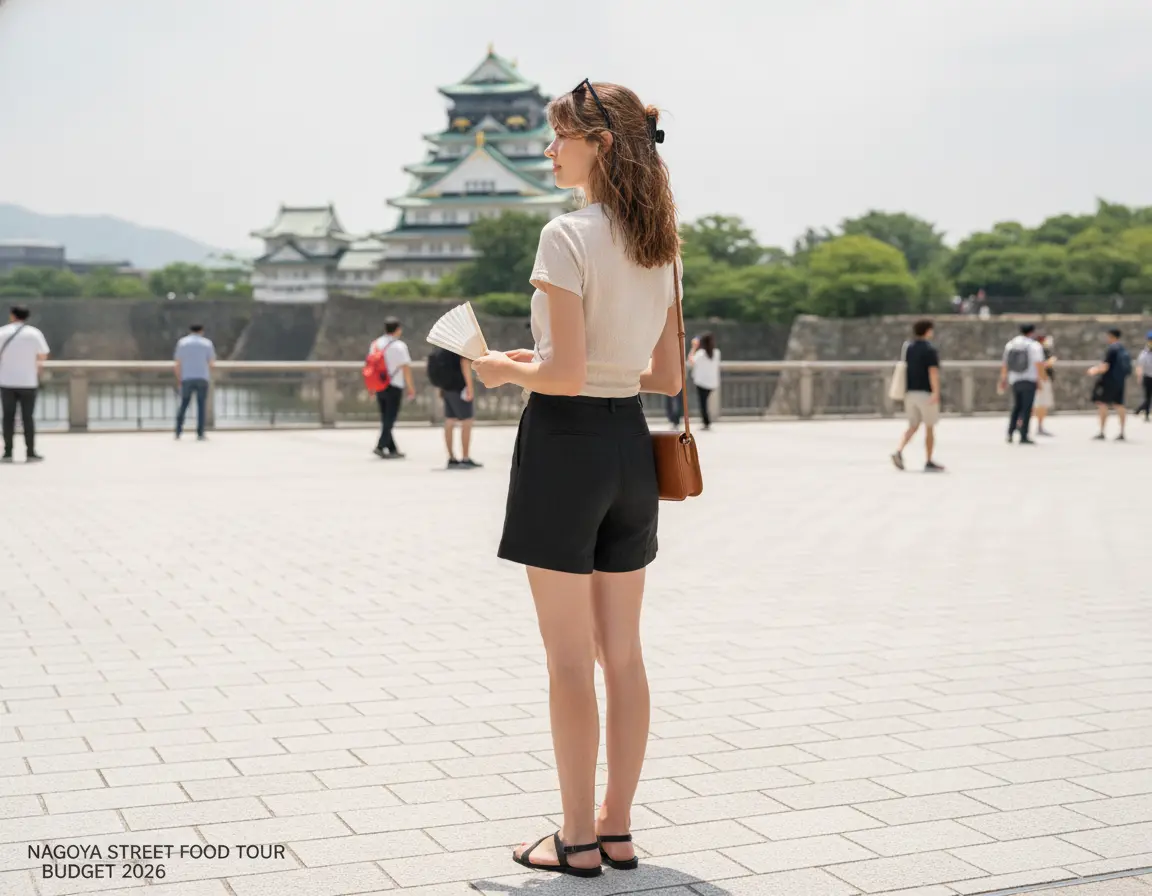
Osu is where I’d start if I had one day and wanted the most food for the least friction. It’s busy, yes, but it’s also easy to navigate, and I never felt like I was paying extra just because I was standing near a famous gate. I walked in during hot, sticky weather after a bit of rain, sunglasses on, fan in hand, and the place still worked because I could duck between shops and stalls without planning too hard.
Best for: snack hopping, small plates, and people who don’t want to sit still for every meal.
Skip if: you hate crowds or you want quiet, slow dining.
My pick: Osu is worth the effort, but only if you treat it like a food walk instead of a sightseeing mission.
I spent about ¥300 on a little taiyaki and ¥500 on a fried snack that was fine, not life-changing. The better move was using Osu as a cheap grazing zone, then saving money for one real meal later. The area doesn’t need a tour guide. It needs a hungry person with a loose schedule.
The part that surprised me was how many stalls were just okay. I expected the whole district to be a jackpot because everyone talks about it like that, but a lot of the food is ordinary and priced for tourists. Still, I’d go again because the good bites are easy to find if you ignore the first shiny thing you see.
Miso katsu at Yabaton
I paid about ¥1,500 for a standard set at Yabaton, and I’d do it again. I went to the Sakae area branch because I wanted the classic version without making a special trip across the city, and the line moved faster than I expected. I still waited around 25 minutes, which is enough to annoy me, but not enough to quit. Worth it if you’ve never had Nagoya-style miso sauce on crispy pork.
Best for: first-timers who want the city’s signature dish in a straightforward setting.
Skip if: you only want a quick snack. This is a full meal.
My pick: order the regular loin cut and keep moving. The sauce is the point.
I expected miso katsu to be heavy in a greasy way. It wasn’t, at least not the way I feared. It was rich, salty, and a little sweet, and that’s the whole reason to eat it here instead of somewhere that just copies the idea. If you only have room for one sit-down meal, this is the one I’d keep.
Tebasaki at a no-frills pub counter
I paid about ¥700 for a plate of tebasaki at a small izakaya near the station, and that was one of the better value bites of the trip. The wings came out hot, peppery, and a little sticky, and I ate them with a cold drink after a long, humid walk. Not fancy. Better for it.
Best for: solo travelers who want one cheap dish that actually feels like Nagoya.
Skip if: you’re looking for a place with polished service and English menus everywhere.
My pick: tebasaki beats most souvenir-style snacks because it’s cheap, fast, and satisfying.
I had tebasaki here and a more “famous” version at a busier spot later. The famous one cost more and didn’t taste better enough to justify it. I’d rather save the extra ¥300 and use it on another drink or a second round of wings.
Kishimen at the station
Kishimen is one of those dishes people mention in passing, then barely eat properly. I grabbed a bowl for about ¥600 at a station spot, mostly because I needed lunch between trains and didn’t want to waste time. It was a good call. The noodles were flat, the broth was clean, and I was in and out in under 10 minutes.
Best for: travel days when you need something quick and warm.
Skip if: you’re chasing a “special occasion” meal.
My pick: this is the most efficient food stop in the city, not the most memorable one.
I think kishimen gets overlooked because it doesn’t photograph as well as fried food or glossy desserts. Fine. I care more about whether it gets me fed without wrecking my schedule. It did, and that’s enough.
Food Budget
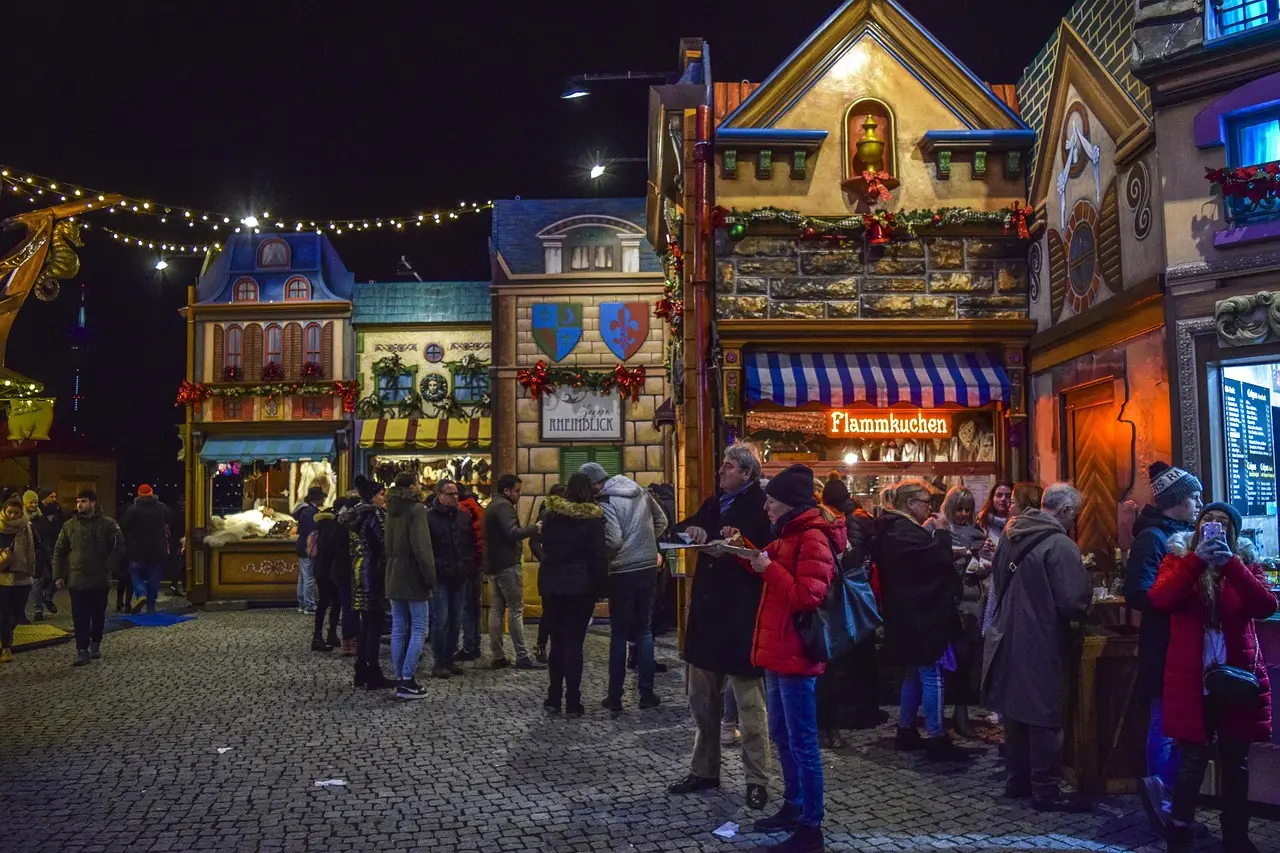
The cheap part of Nagoya eating is real, but it disappears if you stack too many “small” purchases. I made that mistake once in a single afternoon: ¥450 here, ¥520 there, then ¥900 for a drink and snack combo that looked better than it tasted. It added up to more than one proper meal, and I was still hungry enough to want dinner. Annoying. I’d rather spend once and eat well.
Best for: travelers who can stop grazing before the bill gets silly.
Skip if: you’re the type to buy one snack at every corner just because it’s there.
My pick: one anchor meal plus two small bites is the sweet spot.
Here’s the rough math I’d use for a Nagoya street food day in 2026:
- One snack: ¥300–¥600
- Two snacks or dessert stops: ¥800–¥1,200 total
- One proper lunch set: ¥900–¥1,500
- One nice dinner: ¥1,800–¥3,500
That puts a realistic day around ¥4,000 to ¥7,000 if you’re eating like a normal person and not trying to turn every bite into a photo project. I’d call that fair. Not cheap-cheap, but good value for a city where the food is doing actual work.
Skip the places that charge for the address
This is the part I wish someone had said to me more bluntly: not every “Nagoya specialty” near a tourist stop is worth your yen. I walked past a place selling the same style of miso-based snack for nearly ¥900, then found a better version a few blocks away for ¥500. Same shape, same idea, worse execution near the busy spot. I don’t love paying for foot traffic.
Best for: people who check prices before ordering.
Skip if: you assume busy automatically means good.
My pick: if there’s a menu photo in six languages and a host trying too hard outside, I usually keep walking.
Everyone recommends the famous food streets, but sometimes that just means everyone has agreed to stand in the same place and pay more. I’m not against popular spots. I’m against paying extra for food that gets worse because it’s been sitting there waiting for the crowd. If the line is over 30 minutes, I’m out.
The one meal I’d build a Nagoya food day around
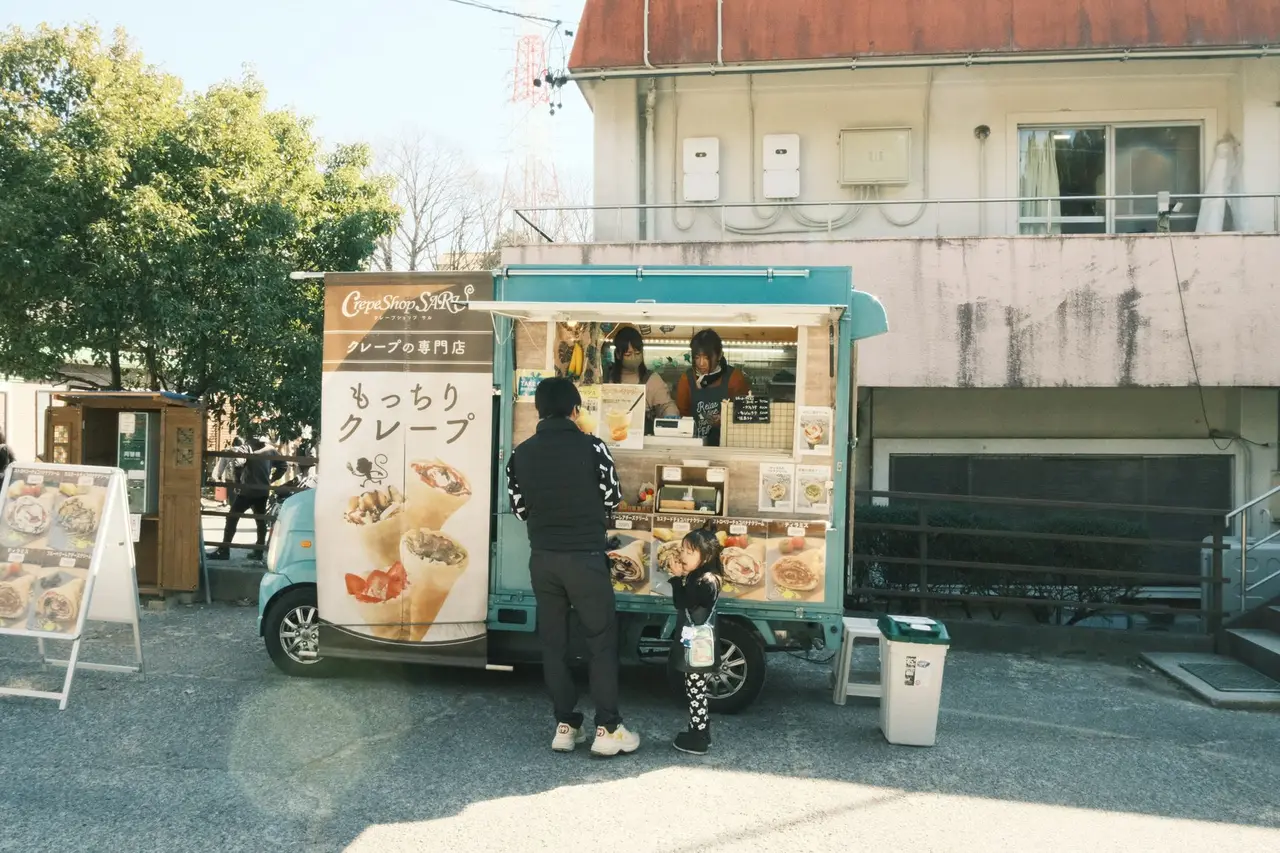
If I had to choose one meal to shape the whole day around, I’d pick miso katsu at lunch and then keep the rest of the day lighter. That’s the best mix of value and local identity. I paid ¥1,500, got a full plate, and didn’t feel like I had just bought a name on a menu.
Best for: a first Nagoya food day where you want one clear anchor meal.
Skip if: you only have room for snacks and one drink.
My pick: lunch is the smarter slot than dinner because the same food feels less rushed and usually costs a bit less.
I also tried to make dinner the “big” meal once, and I wouldn’t repeat that. By then I was tired, a little overfull from snacks, and less interested in standing in another line. Lunch gave me better energy and better value. Simple as that.
The food tour question: book one or build it yourself?
I’d build it myself unless you really want structure. Nagoya is easy enough to eat through on your own, and the city’s best food doesn’t require a guide to unlock it. A tour only starts making sense if you want someone else to handle the ordering, explain what you’re looking at, and move you through multiple spots in one go.
I booked the food tour through Klook — way cheaper than booking at the counter.
Best for: first-time visitors who want local context without planning.
Skip if: you already know you can handle trains, menus, and basic food hunting on your own.
My pick: I’d only book a food tour if I had half a day and wanted to sample a lot without thinking.
If you do want that kind of setup, I’d book through Klook because the better slots can disappear faster than the casual walk-in options. I’m not saying a guided food tour is necessary. I am saying the decent ones are easier to use when you’ve already decided you want a curated day.
What I’d do differently next time

I’d skip one of the random snack stops and save the money for a second proper meal. I also would’ve gone earlier in the day to Osu, before the heat made me slower and less patient. And I’d stop pretending every famous stall deserves a line; some of them are just fine, and fine is not worth 20 minutes.
Best for: someone who wants a cleaner, cheaper food day than I managed on my first pass.
Skip if: you enjoy wandering without any budget guardrails. That’s how I ended up with too many small receipts.
My pick: next time I’d do one specialty lunch, one snack walk, and call it done.
Rough per person per day food estimates from my own meals.
Where I’d eat first, and what I’d skip
I’d start with tebasaki or kishimen if I wanted something quick, then save miso katsu for the meal I cared about most. That order gave me the best mix of cost and payoff. I’d skip the overbuilt snack stalls near the biggest tourist clusters unless I was genuinely hungry and nearby.
That’s the real Nagoya food budget lesson for 2026: don’t let the city’s famous dishes trick you into spending badly. Pick the places with a line that moves, a menu that makes sense, and a price that doesn’t punish you for being curious.
Best for: travelers who want to eat well without turning the day into a food marathon.
Skip if: you need luxury or novelty every time you sit down.
Next time: I’d keep it to one anchor meal, two snacks, and zero tourist-trap detours.
FAQ
How much money do I need for food in Nagoya for one day?
I’d budget about ¥4,000 to ¥7,000 per day if you want to eat well without going overboard. That covers one proper meal, a couple of snacks, and a drink or two, which is how I actually ate most days. If you stick to station lunches and one specialty dinner, you can keep it closer to the lower end.
Is Osu worth eating in, or is it just a shopping area?
Yes, Osu is worth eating in, but I’d treat it like a snack crawl, not a full gourmet plan. The good part is the density: I could grab a quick bite, walk five minutes, and try something else without wasting time. The bad part is that some stalls are pure crowd bait, so I’d keep my wallet shut until I saw a price that made sense.
What’s the one Nagoya dish I shouldn’t skip?
I’d say miso katsu is the one dish worth making room for. It’s the clearest “this is Nagoya” meal I had, and the best versions felt distinct enough to justify the ¥1,500-ish price tag. If you only have time for one sit-down meal, that’s the one I’d choose again.
Can I do a Nagoya food day without a guide?
Yes, I’d do it without a guide unless you really want someone else to handle the ordering and routing. The city is easy enough to navigate, and most of the food I liked came from ordinary counters and casual spots, not special-access places. I’d only book a guided food tour if I wanted a packed half-day with zero planning.
What should I skip if I’m trying not to waste money?
I’d skip the shiny stalls near major tourist stops that charge more for the same snack. I paid ¥900 for one item near a busy area and found a better version for ¥500 a few blocks away, so the markup wasn’t worth it. If the place looks built for people taking photos before they eat, I keep walking.
 Emma Hayes