
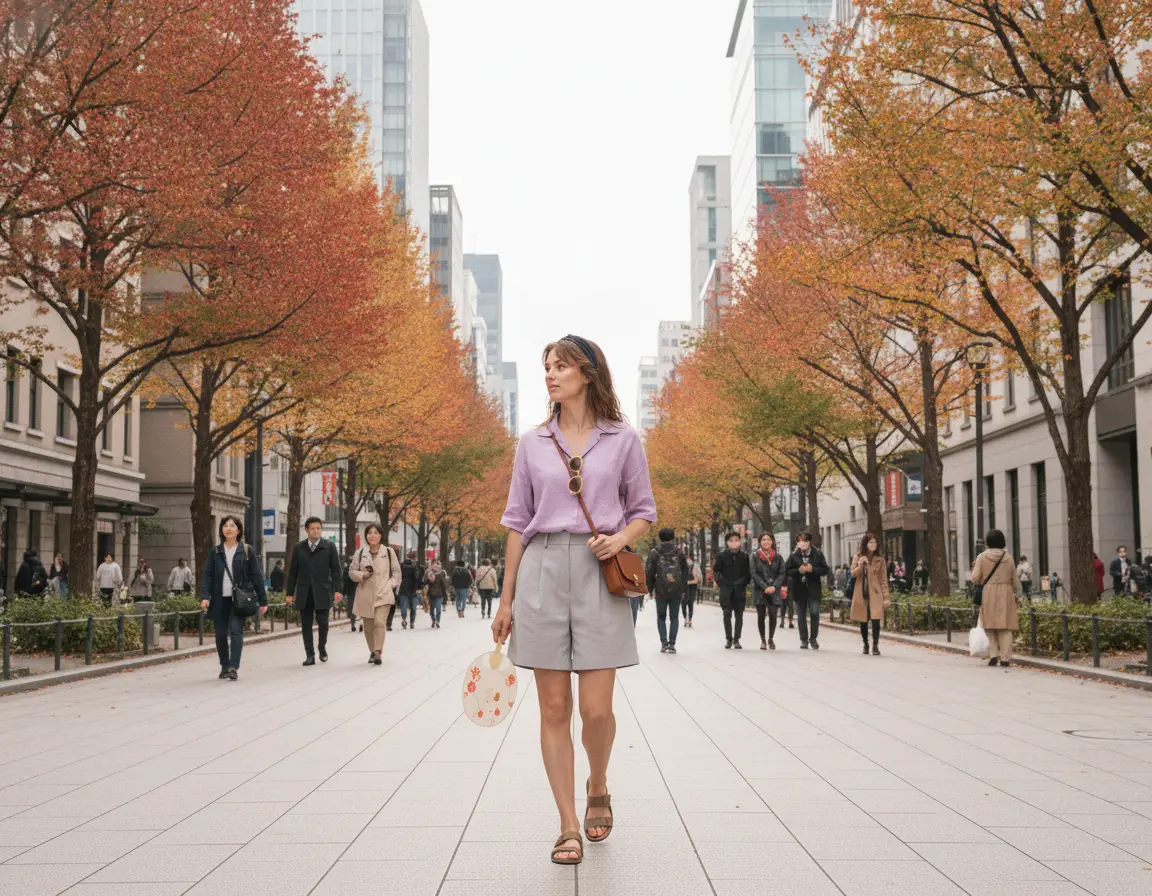
I thought this would be worth it. It wasn’t. At least not everywhere I went, and that’s the part people skip when they talk about autumn leaves in Nagoya like every park is equally good.
My short answer: yes, Nagoya is worth it for fall colors if you pick the right places and go at the right time. It fits travelers who want an easy city base, decent transit, and real parks or temple grounds without turning the whole trip into a leaf-hunting project. If you want a single, dramatic mountain-view foliage day, I’d choose somewhere else. The real decision here is whether you want easy access and low hassle, not the most famous scenery in Japan. For Nagoya autumn leaves best spots 2026, the best value comes from places that fit into a normal day.
Quick Answer: My best Nagoya autumn leaves picks are Shirotori Garden and Tsuruma Park, with Tokugawa Garden as a solid second choice. I paid around ¥300 for Shirotori Garden, bought a coffee for about ¥180 at Tsuruma Park, and would only add Meijo Park or Arimatsu if I had extra time.
- Best bet: Nagoya works well for a relaxed autumn leaves trip if you stay near the subway and keep expectations realistic.
- My pick: Shirotori Garden and Tsuruma Park gave me the best mix of color, access, and low friction.
- Skip the hype: some of the most photographed spots are fine, but not worth a long detour if your time is tight.
- Timing matters more than the exact spot. I’d rather be in Nagoya during peak color week than chase a famous garden too early.
What I’d Actually Prioritize for Nagoya Autumn Leaves

I’d plan around a handful of solid spots, not a city-wide leaf scavenger hunt. Nagoya autumn leaves are good, but they’re not the kind of thing where every corner wins. The best value comes from places that are easy to reach, free or cheap, and pleasant even if the color timing is a little off.
Best for: Travelers who want simple, low-cost leaf viewing between meals and train rides.
Skip if: You only care about jaw-dropping mountain scenery and don’t want to spend time in the city.
My pick: I’d start with Shirotori Garden, then add one park or temple area depending on how much time I had.
I made the mistake of treating one famous-looking spot like it would carry the whole day. It didn’t. I paid ¥300 for an entry that was fine, then spent more time walking to the next place than actually enjoying the first one. That’s the basic Nagoya lesson: the best autumn leaves here are the ones that fit into a normal day without wasting an hour getting there.
Shirotori Garden: The One I’d Put First
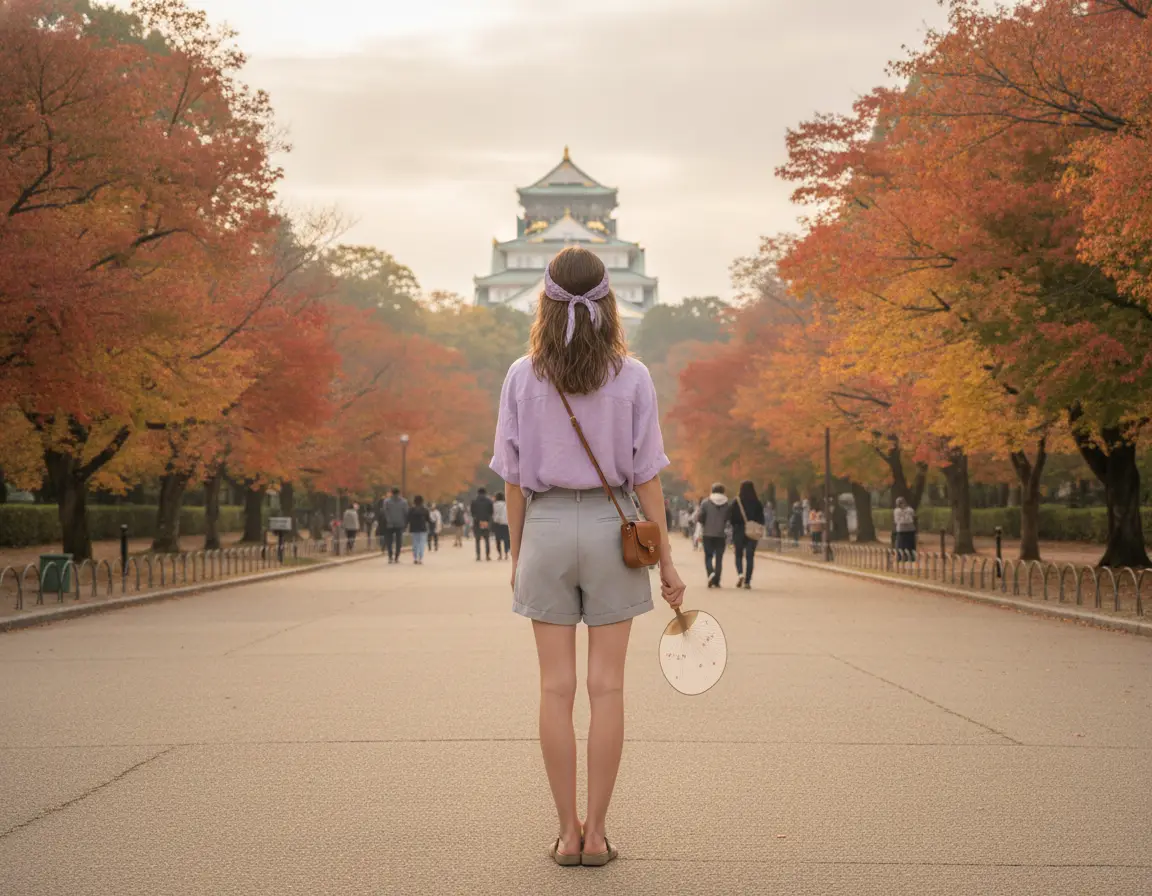
Shirotori Garden is the first place I’d send someone who wants a clean, easy leaf stop in Nagoya. It’s compact, well kept, and feels designed for a slow walk instead of a rush. I paid around ¥300 to get in, and that price felt fair because I stayed long enough to make the stop count.
I went in hot weather, around 30°C, in a linen shirt, shorts, and sandals, and I was still glad I came. The garden gave me shade, a place to sit, and enough variety that I didn’t feel like I was circling the same tree over and over. Fine, not wild. But useful, and that matters more than people admit.
Worth it if: You want a calm, paid garden with a controlled layout and good photo angles.
Only if: You’re okay paying a small entry fee for a short visit rather than a long free wander.
Skip if: You want a huge park where you can lose an afternoon.
I expected Shirotori Garden to be one of those places that looks better on maps than in real life. It wasn’t. It was smaller than I imagined, but the payoff was that I never had to fight crowds or hunt for the “good” viewpoint. If you’re deciding between this and a random free spot across town, I’d pay the ¥300 and keep moving.
Tsuruma Park: Better Value Than the Famous Stuff
Tsuruma Park is where I’d go if I wanted autumn color without paying for the privilege. It’s a public park, so the value is obvious. I walked in, bought a convenience-store coffee for about ¥180, and spent most of the time just circling paths instead of checking a ticket counter or waiting for anything.
The thing I liked most was how normal it felt. That sounds boring, but it’s not. There were people jogging, families out for a walk, and enough trees that the park didn’t feel like a token green patch. If I only had one free leaf-viewing stop in Nagoya, this would be it.
Best for: Budget travelers and anyone who wants a free, low-pressure autumn walk.
Skip if: You need a highly manicured garden or a very “Japan postcard” kind of scene.
My pick: I’d choose Tsuruma Park over a pricier stop if my day was already packed with food and transit.
I had Tsuruma Park and a more famous temple area in front of me. I went with the park because I didn’t want to burn 45 minutes just getting from the station to the entrance and back again. The temple would’ve worked if I had a slower day, but Tsuruma Park fit the pace I actually had. That’s usually the difference.
Tokugawa Garden and the Area Around It

Tokugawa Garden is good, but I wouldn’t put it ahead of Shirotori unless you’re already near that side of the city. It has the polished, formal feel people expect from a Japanese garden, and the autumn leaves look better when you can slow down and actually notice them. I’d call it a solid second choice, not the first thing I’d rush to.
The real tradeoff here is time. If you’re staying in central Nagoya and using subway connections, it’s manageable. If you’re squeezing this into a short day, the extra transit starts to matter more than the garden itself. I don’t love paying for a pretty place that only feels worth it if I’m already in the neighborhood.
Worth it if: You like formal gardens and don’t mind paying for a quieter, more structured visit.
Skip if: Your Nagoya trip is short and you’d rather keep transit simple.
My pick: I’d do Tokugawa Garden only after I’d already seen Shirotori or Tsuruma.
I went in expecting it to be the clear winner because people talk up its reputation. It was nice, but not the kind of nice that changes your day. The leaves were there, the paths were tidy, and I still left thinking I’d rather have spent that extra hour eating miso katsu or sitting somewhere easier to reach.
Meijo Park and Nagoya Castle: Fine, Not a Leaf Destination
Meijo Park is useful if you’re already doing Nagoya Castle, but I wouldn’t go out of my way for autumn leaves alone. The area is easy enough to reach, and the walk around the castle grounds gives you a straightforward city-park version of fall color. It’s the kind of stop that makes sense on a mixed sightseeing day.
I’d keep expectations low here. The castle area is more about combining a landmark with a seasonal walk than about chasing the best foliage in the city. I’ve seen people overhype this kind of stop online, and it usually turns into a lot of walking for a very average payoff. Still, if you’re already nearby, it’s worth a look.
Best for: Travelers already visiting Nagoya Castle who want to add a seasonal walk.
Skip if: You’re only in town for leaves and don’t care about the castle.
My pick: I’d treat this as a bonus, not a headline stop.
I paid for the castle area once and spent more time deciding whether to stay than actually enjoying the foliage. That was my fault. The lesson was simple: if the autumn leaves are the main goal, choose a garden or park first and let the castle be the extra, not the reason you went.
Arimatsu and the Southern Edge of the City
Arimatsu is the one place here that feels a little different from the standard city-park route. It’s known for its old streets and tie-dye history, and in fall it can be a decent add-on if you like walking through a smaller neighborhood rather than another formal garden. I’d only put it on the list if you want atmosphere with your leaves.
The downside is simple: it’s not as efficient. I had to think harder about transit and time, and that usually means the value drops unless I’m already building a half-day around it. If you’re the kind of traveler who likes wandering and doesn’t mind a slower pace, it can be worth it. If not, skip it and stay central.
Worth it if: You want a quieter neighborhood feel plus seasonal color.
Skip if: You’re doing a fast trip and need the easiest possible route.
My pick: I’d only choose Arimatsu after I’d done the more direct park and garden stops.
I thought Arimatsu would be one of those places where the old streets would carry the whole experience. They didn’t, at least not for me. The leaves helped, but the real appeal was the slower pace, and that’s not enough if your schedule is already tight.
How I’d Spend One Day on Nagoya Autumn Leaves
If I had one day, I wouldn’t try to cover five spots. I’d do Shirotori Garden first, then Tsuruma Park if I still had energy, and I’d only add Tokugawa Garden if I was moving efficiently and not dragging a bag around in the heat. That’s the sequence that gave me the best cost-to-value ratio.
Transit in Nagoya is easy enough that the city doesn’t punish you for choosing a few good stops, but it does punish sloppy planning. I learned that the annoying way. I once spent 25 minutes waiting for a connection because I assumed the next train would be immediate. It wasn’t, and that delay made a short foliage day feel strangely rushed.
My pick: One paid garden plus one free park is the sweet spot.
Skip if: You’re trying to do all of this in one afternoon with a late start.
Worth it if: You like a relaxed day that still gives you a clear seasonal payoff.
For food, I’d keep it simple. I grabbed a Lawson onigiri and a bottled tea between stops more than once, and honestly, that worked better than sitting down for a long lunch. Nagoya has good meals, but during a leaf day I’d rather save the proper sit-down for dinner and keep moving when the weather is still warm.
When Nagoya Autumn Leaves Are Worth the Trip
Nagoya autumn leaves are worth it if you’re already in central Japan, want an easy city base, and don’t need every stop to be a headline attraction. They’re also good if you care about walkability and decent transit more than dramatic scenery. The city makes it easy to string together a few useful stops without draining your whole day.
They’re less worth it if your main goal is a single iconic foliage destination. In that case, I’d look at places with stronger natural scenery and fewer urban tradeoffs. Nagoya is practical. It’s not the place I’d fly across the world for just to stare at leaves for one afternoon.
Best for: Travelers who want a calm autumn city trip with a few reliable leaf-viewing stops.
Skip if: You need a once-in-a-lifetime foliage landscape and don’t care about convenience.
Next time: I’d build the day around Shirotori Garden and one free park, then stop pretending I need to “fit in” every famous spot.
Rough daily estimates from my own trip. Prices shift by season.
What I’d Do Differently Next Time
I’d go earlier in the season window and stop trying to stretch one afternoon into a full foliage plan. I’d also stay closer to the subway line I’m actually using, because dragging a day bag through humid weather is annoying fast. And I’d skip one paid stop if the forecast looked off. Not because rain ruins everything, but because Nagoya’s best leaf viewing is good enough to enjoy without forcing it.
I also wouldn’t overpack the day with temple stops just because they look good on a map. I did that once, and it made the whole thing feel more like errands than a walk. That math never works out.
1. I read online that Meijo Park was a must-do for autumn colors, so I took a 40-minute detour on the subway to get there—only to find the trees were still mostly green and the crowds made it hard to move around. I’d spent ¥300 on entry and lost nearly 2 hours that I could’ve spent at Shirotori Garden, which had peak color the same week. Next time, I’m checking real-time photos from locals, not just old blog posts, before I commit to a place.
2. I expected Tokugawa Garden to feel crowded and touristy based on how often it showed up in photos, but I actually found it quiet on a Tuesday morning with genuine color and space to breathe. The real lesson here is that timing and day-of-week matter way more than reputation—a famous spot at the right moment beats a quiet spot at the wrong time.
See current Nagoya hotel prices on Agoda →
I usually book Nagoya tours on Klook — the best time slots go fast, especially in peak season.
FAQ
When is the best time to see autumn colors in Nagoya?
Late November into early December is the safest bet for me, though the exact peak shifts by year and by spot. I’d rather be a little late than a little early.
Can I do Nagoya autumn leaves in one day?
Yes, one day is enough if you keep it to two or three stops. I’d do one paid garden and one free park, then stop there before the day gets slow. Trying to cram in more usually means more transit and less actual leaf time.
Is it worth paying for a garden when parks are free?
Yes, but only once. I paid about ¥300 at Shirotori Garden and felt the cost was fair because the layout made the visit easy and clean. After that, I’d use free parks like Tsuruma for the rest of the day.
Which area is easiest if I’m staying near Nagoya Station?
Shirotori Garden is the easiest pick from Nagoya Station if you want a simple first stop. It’s the one I’d choose when I don’t want to burn time on extra transfers. If your day is short, convenience beats trying to chase a more remote spot.
Are the leaves still worth seeing if I miss peak season?
Yes, but I’d narrow my plan to one or two places instead of building a whole day around it. Even a slightly late visit can still be pleasant in a garden or park, while a bad-timing trip to a famous spot just feels flat. I’d keep expectations modest and save the rest of the day for food.
 Emma Hayes