
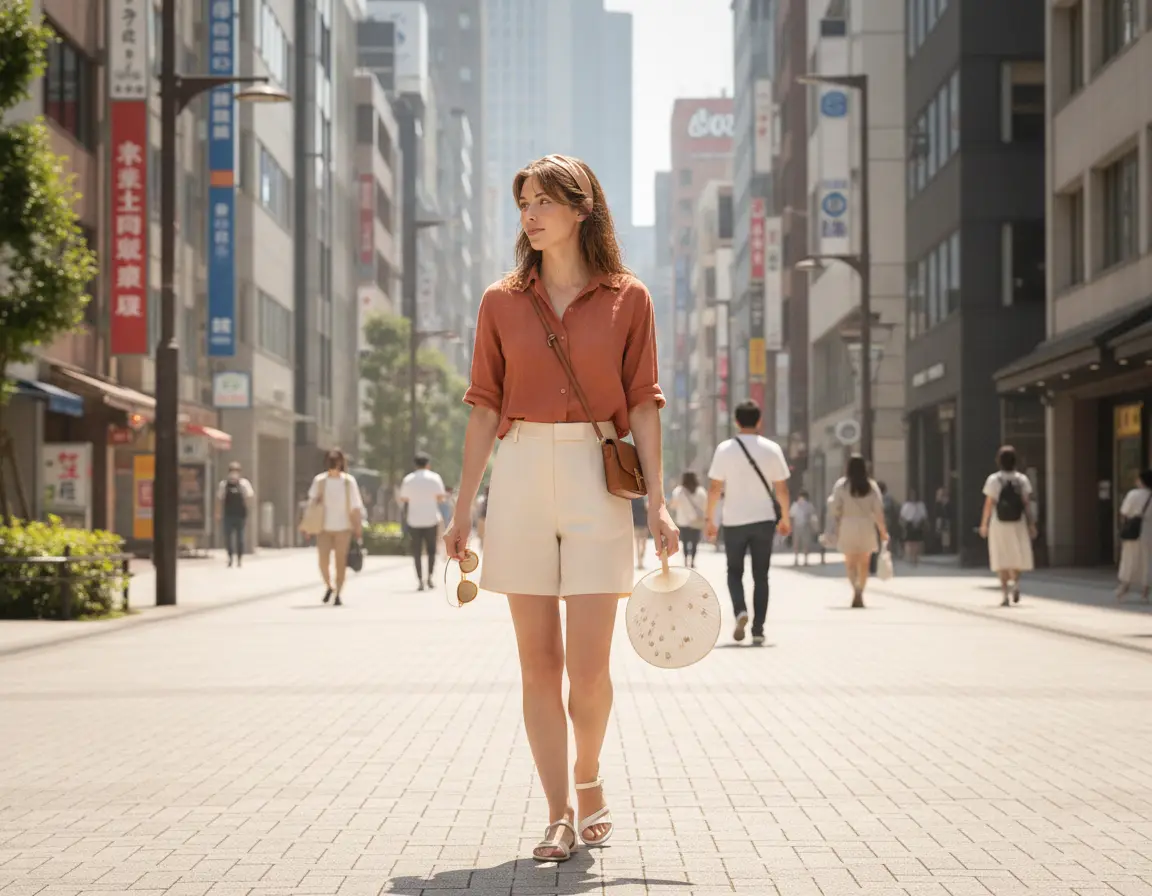
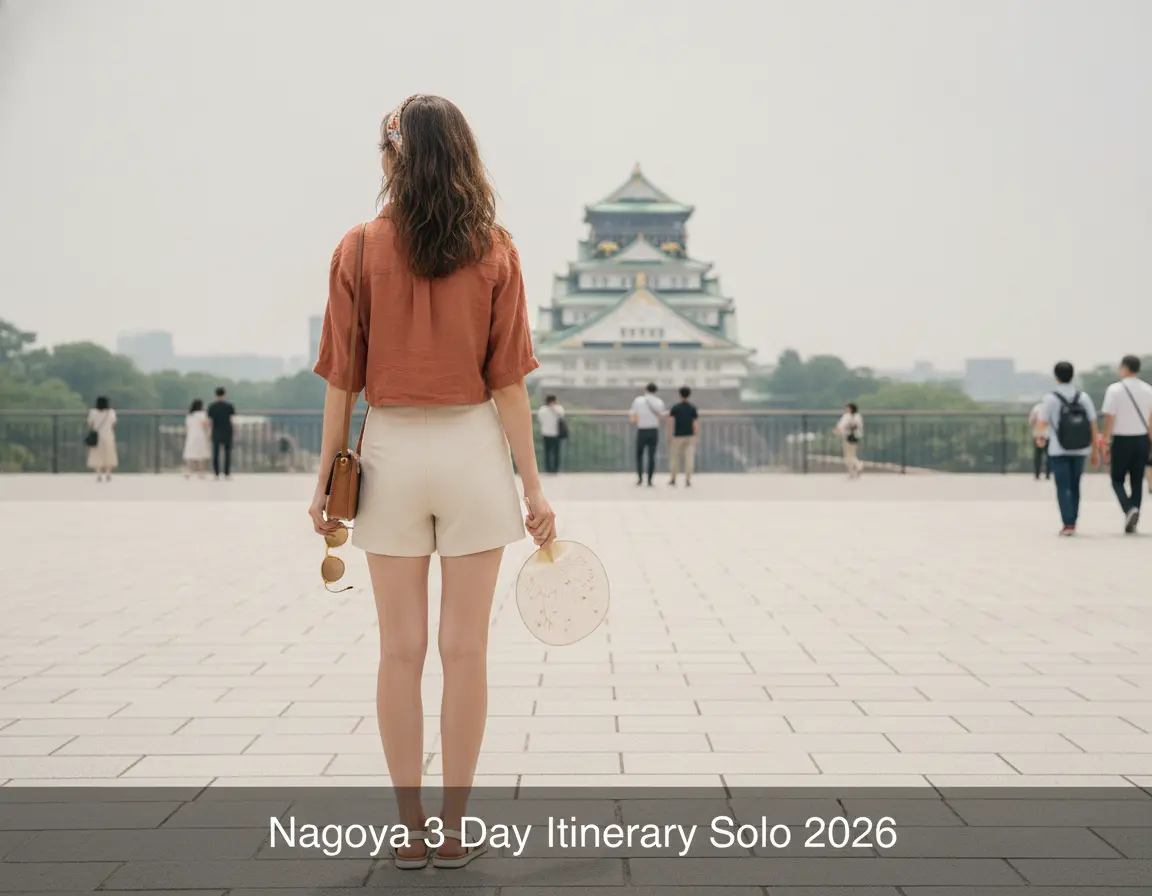
Nagoya was supposed to be a filler stop between Tokyo and Kyoto. It was quieter, flatter, and more useful than I expected. I went in hot, humid weather around 25–32°C with a fan in my bag and a linen shirt sticking to my back by noon, and that ended up shaping the whole trip more than I wanted it to.
My answer: yes, three days in Nagoya works well for a solo trip in 2026 if you want good food, easy transport, and a city that doesn’t drain your energy. It fits travelers who like walking, station-based logistics, and eating well without paying Tokyo prices. It’s not the right pick if you want nonstop sightseeing or a city that feels dramatic every hour. The real question isn’t “is Nagoya exciting?” It’s “does the city give enough back for the time you spend here?” I think it does.
Quick Answer: For a Nagoya 3 day itinerary solo 2026, I’d stay near Nagoya Station or Sakae, spend Day 1 on Nagoya Station and Osu, Day 2 on Nagoya Castle plus a local meal, and Day 3 on Meiji Mura or a slower city day. My rough budget was about $85-$180/day.
Day by Day
- Three days is enough for Nagoya if you want a calm, practical city break with one day trip or one big cultural stop.
- I’d keep a loose plan, not a packed one. The city is better when you leave room for trains, meals, and one or two long stops.
- My biggest tip: stay near Nagoya Station or Sakae. I tried to save money farther out once in another city and regretted the commute. I wouldn’t repeat that here.
- Budget-wise, I spent roughly $75–$140 a day depending on where I ate and whether I added a museum or day trip.
Day 1: Nagoya Station, Osu, and a Low-Stress First Night
I’d start with the city’s practical center instead of chasing a big “arrival moment.” Nagoya Station is a giant, slightly chaotic machine, but it solves the first-day problem fast: luggage storage, food, transit, and a place to reset. That’s worth more than a pretty first impression.
Best for: Travelers arriving by shinkansen or late afternoon train who want an easy first day.
Skip if: You only want temples and old neighborhoods right away. This day is more about getting oriented than chasing atmosphere.
My pick: Start at the station, then move to Osu once you’ve eaten and your bag is dropped.
I arrived with a backpack, a slightly damp shirt, and zero desire to overthink. I used a coin locker near Nagoya Station for a few hundred yen, then got lunch in the station area instead of wandering around hungry. That saved me from making a bad first-food decision, which happens to me more often than I’d like to admit.
9:30 a.m. – 11:00 a.m.: Nagoya Station area
If you’re arriving in the morning, keep this simple. Walk through the station, grab a coffee or tea, and do one useful errand: buy your day pass, top up your IC card, or find your hotel. The station complex is huge, so I’d give myself at least 30–45 minutes just to stop moving and figure out where everything is.
From the station to Osu, I took the subway from Nagoya Station to Osu-Kannon. It was about 10 minutes plus waiting time, and the fare was around ¥240
11:15 a.m. – 2:00 p.m.: Osu Shopping District
Osu is where I’d go for a mix of street food, secondhand shops, and casual temple wandering. It’s not polished, and that’s the point. I bought a skewered snack and a cheap drink, then did what I always do in covered shopping streets: duck in and out of stores until my feet got bored.
I expected Osu to feel more local than it did. It was a little more touristy than I wanted, especially around the busier side streets, but it still worked because prices stayed reasonable and I could eat without committing to a long sit-down meal. That’s the important part. Useful, not magical.
For lunch, I’d eat near Osu instead of waiting. I paid about ¥900 for a simple noodle set one day and ¥1,200 for a better lunch another day, and both were fine. I’d skip anything with a line longer than 30 minutes. Nagoya has enough decent food that I don’t need to stand around for it.
Skip if short on time: Any extra shopping detours. Osu itself is enough.
2:15 p.m. – 4:00 p.m.: Osu Kannon
The temple visit is quick. That’s a plus. I walked through the grounds, took a few minutes in the shade, and moved on. I wouldn’t build a whole half day around it, but it’s worth folding into Osu because it breaks up the shopping street nicely.
4:30 p.m. – 6:30 p.m.: Back to Sakae or your hotel
This is the part of the day where I’d stop pretending I need to “see more.” Nagoya in summer heat gets tiring faster than it looks on a map. I went back to my room once with wet hair from a sudden rain shower and sat under the air conditioning longer than I meant to. Fine. That’s travel.
For dinner, I’d stay near your hotel or head to Sakae. I paid about ¥1,500–¥2,500 for dinner most nights, depending on whether I wanted a quick set meal or something a little nicer. A station-area izakaya or a simple teishoku place is the right move here. Not fancy. Just efficient.
Day 1 running total: about $25–$55 before accommodation, depending on food and whether you buy anything in Osu.
Day 2: Castles, Museums, and the Food Nagoya Is Actually Known For
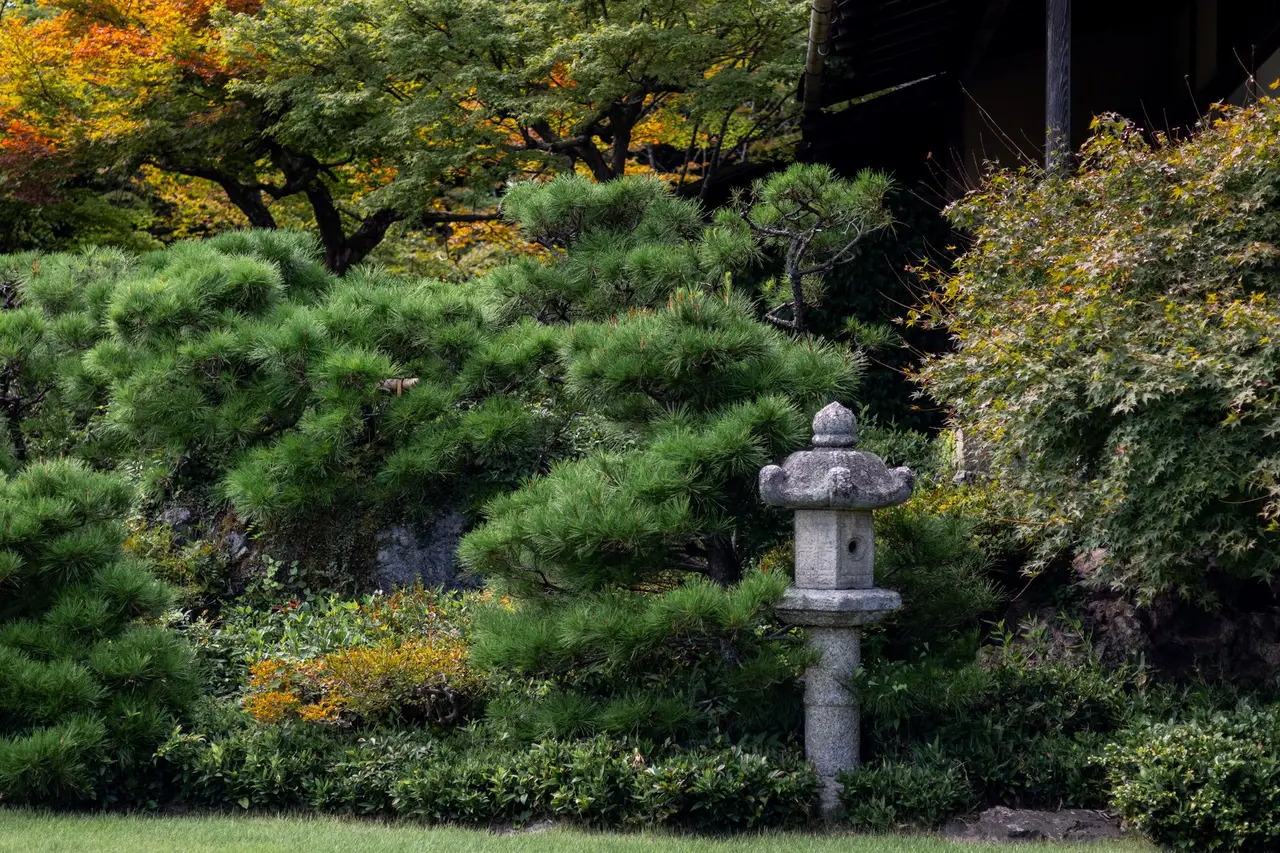
This is the day I’d keep for the city’s bigger-name sights, but I wouldn’t cram them together too tightly. Nagoya Castle, the surrounding park area, and one food-focused stop give you enough structure without turning the day into a checklist.
Best for: First-time visitors who want the classic Nagoya highlights without a tour bus.
Skip if: You hate museums and don’t care about history. This day leans cultural, not shopping-heavy.
My pick: Pair one major historical stop with lunch at a local specialty spot, then call it good.
9:00 a.m. – 11:00 a.m.: Nagoya Castle area
I went expecting a castle experience that would feel essential. It didn’t. The grounds are pleasant, and the exterior is still worth seeing, but the interior situation has changed over time and the whole stop felt more useful than thrilling. I spent around ¥500 on entry-related costs and about two hours total, which is enough. I wouldn’t linger much longer.
From Sakae to Nagoya Castle, I took the subway. It was around 10–15 minutes depending on the line and wait, with a fare around ¥240. Easy enough. If you’re staying near the station, add a little more time, but it’s still a straightforward ride.
I figured I’d stay longer because everyone makes the castle sound like the big Nagoya sight. I left after about 90 minutes. The park outside gave me more value than the paid parts, honestly. If you only have two days, I’d keep the castle grounds and cut other less specific sightseeing before I’d cut a decent meal.
Skip if short on time: Any long interior visit if you’re not into castle architecture or history exhibits. The outside and grounds are the main reason to go.
11:30 a.m. – 1:00 p.m.: Lunch for miso katsu or hitsumabushi
This is where Nagoya starts making sense. I’d pick one local specialty and eat it properly instead of trying three mediocre things. I paid around ¥1,800 for miso katsu at one place and ¥3,500 once for hitsumabushi, which is the grilled eel rice bowl people talk about for Nagoya. Hitsumabushi was the better meal, but miso katsu was the better value. That’s the honest split.
I had two options in front of me: a cheaper miso katsu set near the station and a more expensive eel lunch in Sakae. I went with the eel because I was only in Nagoya for three days and wanted the one dish the city is famous for. The cheaper option would’ve worked if I were just eating to get by, but I wanted one proper meal that felt specific to the place.
1:30 p.m. – 3:00 p.m.: Toyota Commemorative Museum of Industry and Technology or a slower museum stop
This was one of the better surprises of the trip. I expected a dry industrial museum and got something more engaging than that. I still wouldn’t call it fun in the usual sense, but the machinery demos, restored factory spaces, and clear explanations made it easy to spend 90 minutes without checking my phone every five minutes.
From Nagoya Castle to the Toyota museum area, I took the subway and a short walk. Plan on about 20–25 minutes total depending on where you start. The entrance fee was reasonable, around ¥500–¥1,000 depending on what you do there. For the value, it’s worth it if you like how-things-work places. Skip it if you want pretty photo stops only.
3:30 p.m. – 5:30 p.m.: Sakae for a coffee break or rooftop view
I’d keep the late afternoon light. Sakae is better for shopping and food than for deep sightseeing, and that’s fine. I bought a canned coffee once and sat in a public seating area for a bit because my feet were done. That kind of pause matters more than people admit.
If you want one paid viewpoint or an easy indoor stop, this is where it fits. I wouldn’t force a second big museum. Nagoya works best when you stop trying to squeeze the city for drama.
Day 2 running total: about $35–$75 depending on the castle, museum, and lunch choice.
Day 3: Meiji Mura or a Day Trip, Then One Last Good Meal
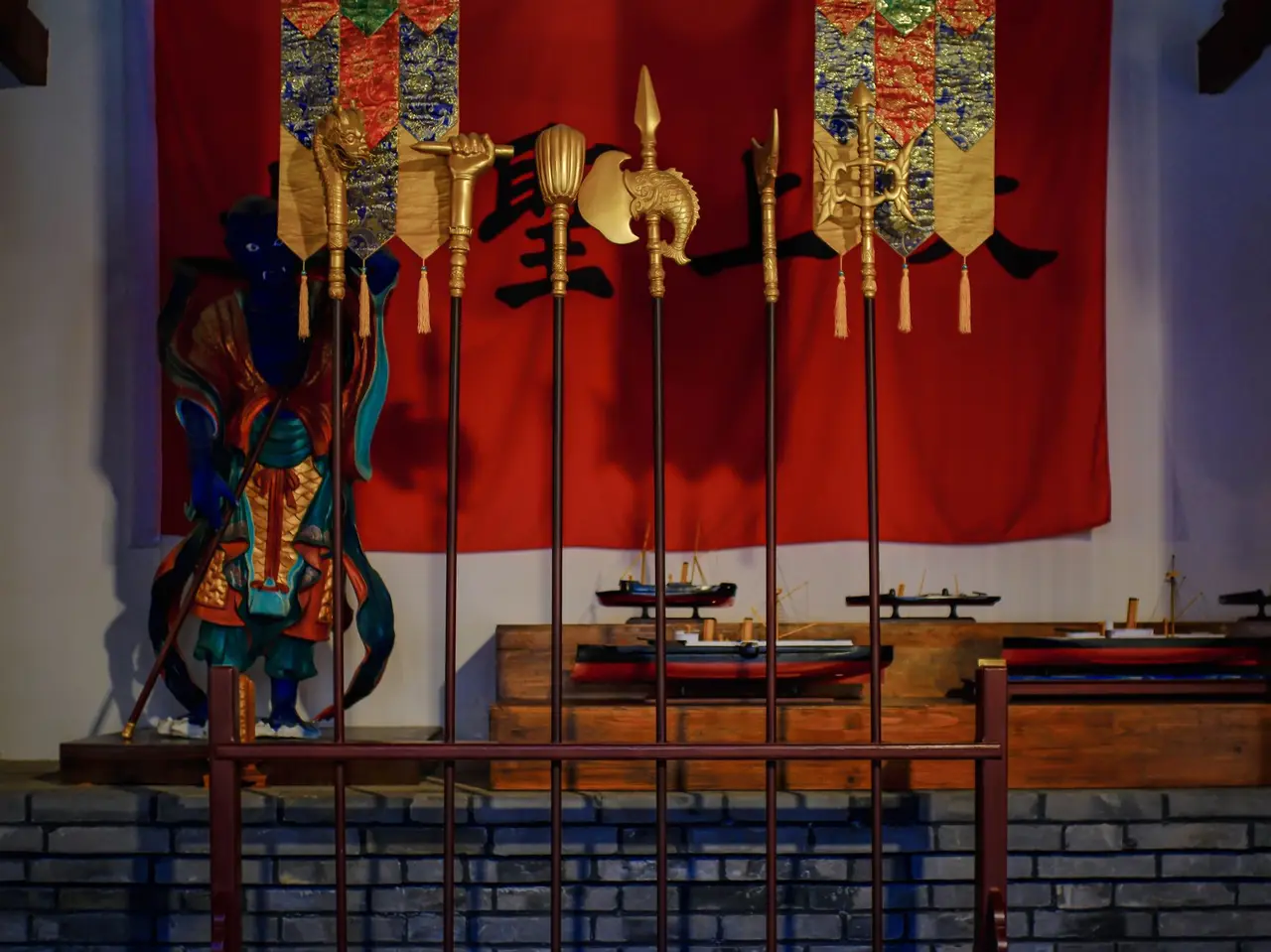
For the third day, I’d choose between a full cultural outing and a slower city finish. My pick is Meiji Mura if you like open-air history and don’t mind a longer transit day. If you’d rather keep things easy, stay in Nagoya and use the day for food and one neighborhood instead. Three days is enough to give you that choice, which is why the itinerary works.
Best for: Travelers who want one bigger outing and don’t mind using half a day on transit.
Skip if: You’re already tired of moving around. Then keep the day in the city and don’t force a big excursion.
My pick: Meiji Mura if you like quirky history; central Nagoya if you’d rather eat and walk.
Option A: Meiji Mura
I took the Meitetsu train toward Inuyama and then a bus to the museum area. From central Nagoya, that’s roughly 45–60 minutes on train plus another 20–30 minutes by bus, depending on connections. It’s not hard, but it is a commitment. I spent more on transport than I expected, and that’s the tradeoff.
The entry fee was around ¥2,000
Option B: Stay in Nagoya and do Tsurumai Park or a relaxed neighborhood walk
If I were tired, I’d skip Meiji Mura and keep the day simple. Tsurumai Park is easy to reach by subway, and the whole point would be a slower morning with a coffee and a walk rather than another transport puzzle. The ticketless version of this day is cheaper and less annoying. Not glamorous. Better value.
I’d probably choose the city version if I were traveling in peak heat or if rain was still messing with the day. I had one afternoon where a shower started suddenly and I ducked into a café for 40 minutes, which reminded me that Nagoya is not the place to over-plan outdoor days in summer. The umbrella came out. So did my patience.
3:00 p.m. – 6:00 p.m.: Final food stop near Nagoya Station or Sakae
I’d end with one last Nagoya meal rather than another sight. That could be tebasaki wings, miso nikomi udon, or a second shot at hitsumabushi if you didn’t do it earlier. I paid about ¥800 for tebasaki and a drink one night and thought it was one of the better value meals of the trip. Simple, salty, and exactly what I wanted after a long day.
Day 3 running total: about $25–$65 for a city day, or $45–$90 if you do Meiji Mura and eat properly.
Cost Breakdown
I’d stay near Nagoya Station if I were arriving and leaving by shinkansen, or in Sakae if I wanted easier evening food and a slightly livelier base. I’ve made the mistake of choosing a cheaper hotel that looked fine on paper and then losing 25 minutes each way to transit. That math never works out when you’re trying to fit three days into one trip.
Best for: Station-area hotels if you want speed, easy luggage handling, and simple day starts.
Better for: Sakae if you care more about dinner options and a bit more street life at night.
Skip if: The place is cheap but adds a long subway ride every time you leave.
I’d pay a little more for walkability here. Not luxury, just convenience. One hotel I looked at was about ¥2,000 cheaper per night, but it was far enough from the center that I’d have spent that difference on trains, time, and annoyance anyway. I chose a mid-range place near the station instead. It wasn’t cute. It was smart.
See all Nagoya hotels on Agoda if you want to compare station-area prices against Sakae before booking.
Rough daily estimates from my own trip. Prices shift by season.
Transport Tips

From the station to Osu, I took the subway from Nagoya Station to Osu-Kannon. It was about 10 minutes plus waiting time, and the fare was around ¥240. From Sakae to Nagoya Castle, I took the subway. It was around 10–15 minutes depending on the line and wait, with a fare around ¥240. From Nagoya Castle to the Toyota museum area, I took the subway and a short walk. Plan on about 20–25 minutes total depending on where you start.
I also took the Meitetsu train toward Inuyama and then a bus to Meiji Mura. From central Nagoya, that’s roughly 45–60 minutes on train plus another 20–30 minutes by bus, depending on connections. That’s the one day where transport takes real planning, so I’d keep the rest of the day lighter.
What I’d Change Next Time
I wouldn’t try to make Nagoya into a big-sights city. That was my first mistake. I kept expecting one place to feel larger than it is, and the city is better when I stop asking that question.
I’d also book one meal in advance if I really wanted hitsumabushi at a specific restaurant. I didn’t, and I ended up waiting 25 minutes once, which is not terrible but still annoying when you’re already hot and a little tired. I’d rather eat earlier or go to a less famous place than stand around for a table I only half care about.
And I’d keep one half-day completely empty. I tried to fill every gap the first time, then spent the afternoon moving around more than I needed to. That was the wrong call. Nagoya is better when it’s paced like a city you live in for a few days, not a city you’re trying to conquer.
Where I’d Actually Stay in Nagoya
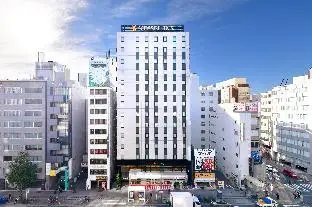
Vessel Inn Sakae Station
Nagoya
★★★★☆
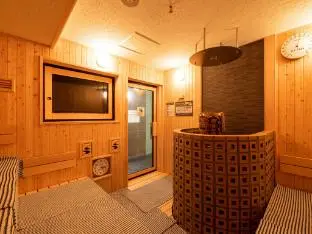
2025 Renewal Open – Anshin Oyado Nagoya Man / Woman Sakae Station
Nagoya
★★★★☆
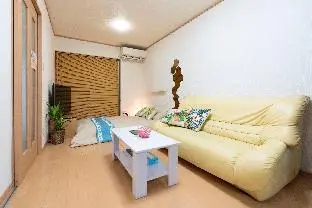
New OPEN Max 10 people Nagoya Station 2LDK
Nagoya
★★★★☆
For Nagoya I used Agoda — they had the best rate for my dates.
I pre-booked on Klook the night before — skipped the entire ticket line.
FAQ
Is three days enough for Nagoya?
Yes, three days is enough for Nagoya, and it’s the sweet spot if you want the city without stretching it into a bigger trip than it needs to be. I’d use the first day for arrival and Osu, the second for Nagoya Castle plus food, and the third for Meiji Mura or a slower neighborhood day. If you only have two days, I’d cut the excursion before I’d cut the food stops.
Should I stay near Nagoya Station or Sakae?
I’d stay near Nagoya Station if I care most about train convenience and easy arrivals. I’d pick Sakae only if I want more dinner options and don’t mind a slightly less direct base for luggage and transit. For a short solo trip, I’d pay the small premium for station access again.
Is Nagoya Castle worth the time?
Yes, but only for a short visit. I spent about 90 minutes there and felt that was enough, because the grounds and exterior were more rewarding than trying to turn it into a long museum day. If your schedule is tight, I’d see the castle area and move on.
Do I need a day trip from Nagoya?
No, you don’t need one, but I’d do one if you want a third day that feels different from the city center. Meiji Mura was my pick because it gave me a reason to use the train and bus system and see something less standard. If you’re tired or visiting in peak heat, staying in Nagoya is the smarter call.
Is Nagoya good for solo travelers who don’t want a packed schedule?
Yes, it’s very good for that. I never felt like I had to rush from one famous spot to another, and that made the trip easier than places where every block feels overbooked. If you like calm logistics, decent food, and the option to skip things without feeling like you failed the city, Nagoya works well.
 Emma Hayes