
¥1,500
My answer: yes, Nagoya works well for a budget solo trip in 2026 if you care more about smooth logistics than postcard charm. I’d recommend it for solo travelers who like straightforward train access, cheap food, and a city you can cover without paying for a bunch of extras. I’d skip the long version of Nagoya if you want constant “wow” moments or you only have one night and plan to spend it chasing famous sights.
The thing that matters most here is base choice. Stay near Nagoya Station, Sakae, or along a direct subway line, and the whole trip gets cheaper and less annoying. Stay somewhere cute but awkward, and you’ll burn money on taxis or waste time in transfers. That math never works out.
Quick answer: For a Budget Nagoya itinerary solo 2026, I’d stay near Nagoya Station or Sakae, use the subway, and keep it to two easy days. My budget ran about ¥6,000–¥10,000 a day before lodging, with Nagoya Castle entry at ¥500 and hitsumabushi around ¥3,000–¥5,000
Quick Answer
If I were doing a Budget Nagoya itinerary solo 2026, I’d stay near Nagoya Station or Sakae and let the subway do the work. Taxis looked tempting when I was tired, but they were the kind of convenience that quietly eats a budget. I spent ¥780 on a subway ride one afternoon and immediately stopped pretending I needed a cab.
Nagoya works well for solo travel if you want an easy city break with decent food and not much transit friction. It is not a place I’d build a trip around if I wanted a dramatic, one-big-sight kind of destination. It feels practical first. That’s not a criticism, just the shape of it.
On a disciplined day, I could keep spending around ¥6,000–¥10,000 before lodging. I almost overspent on lunch near the station because the set meal looked harmless at ¥1,800, then I added a drink and a dessert I did not need. That was the day I remembered Nagoya is cheap only if you let it be.
Worth it: yes, if you want a straightforward, low-stress city and you’re willing to keep an eye on small costs.
Only if: you’re fine with a city that feels useful before it feels exciting.
Where I’d stay: Nagoya Station beats cute-but-far every time
I’d stay near Nagoya Station first, Sakae second. I paid more attention to map distance than room style, because in Nagoya that’s where the savings actually show up. A room that looks cheaper by ¥1,500 can become more expensive once you add subway fares and the extra time you lose coming back at night.
See current Nagoya hotel prices on Agoda →
I compared a basic business hotel near Nagoya Station with a cheaper place farther out. The farther option was about ¥2,000 less per night, but I’d have needed at least two extra subway rides a day. I went with the station area because I knew I’d be arriving tired, carrying a day bag, and wanting to drop things off before heading back out. I’d make that same call again.
For a solo trip, I think Nagoya Station is the safest budget base. It’s not charming, and I don’t care. It’s packed with convenience stores, easy food, and direct rail access. If I was arriving late, I’d rather be five minutes from check-in than saving a few hundred yen and dragging luggage across town.
Best for: first-time solo travelers, short stays, and anyone arriving by Shinkansen.
Skip if: you care more about nightlife neighborhoods than transit efficiency.
My pick: Nagoya Station over a cheaper suburban stay, every time.
Two days in Nagoya without wasting money
I wouldn’t try to cram Nagoya into a frantic list of attractions. I’d do a clean two-day loop and let the city be easy. If I only had one day, I’d cut the castle interior and the shopping detours before I cut food or transit efficiency.
Day 1: Station area, Osu, and one cheap dinner
I’d start around Nagoya Station, grab breakfast from a convenience store, and move on. A Lawson or FamilyMart breakfast cost me around ¥350–¥600 depending on whether I bought coffee too. That’s the kind of spending that keeps a trip sane. Hotel breakfast would have been an easy skip for me unless it was already included.
From there, I’d head to Osu Shopping Street. It’s one of those places that sounds like it should be a tourist trap, and parts of it are. Still, it’s useful for a budget day because you can wander, snack, and people-watch without paying entry fees. I bought a cheap drink and a snack, then left before I started shopping just because I was bored. Fine for a couple of hours. Not a full-day activity.
For lunch, I’d go for something local but not fussy. Hitsumabushi is the famous choice, and I’m not pretending it’s cheap. A proper bowl can run around ¥3,000–¥5,000 depending on the place. I tried it because I wanted the Nagoya staple, and I’m glad I did once, but I wouldn’t make it the daily default on a budget trip. Miso katsu is the better value play for most travelers.
Worth it: Osu for a low-cost wandering block and easy snacks.
Skip if: you hate shopping streets that are more practical than pretty.
My pick: one good local lunch, then keep moving.
Day 2: Castle grounds, Sakae, and a cheap evening walk
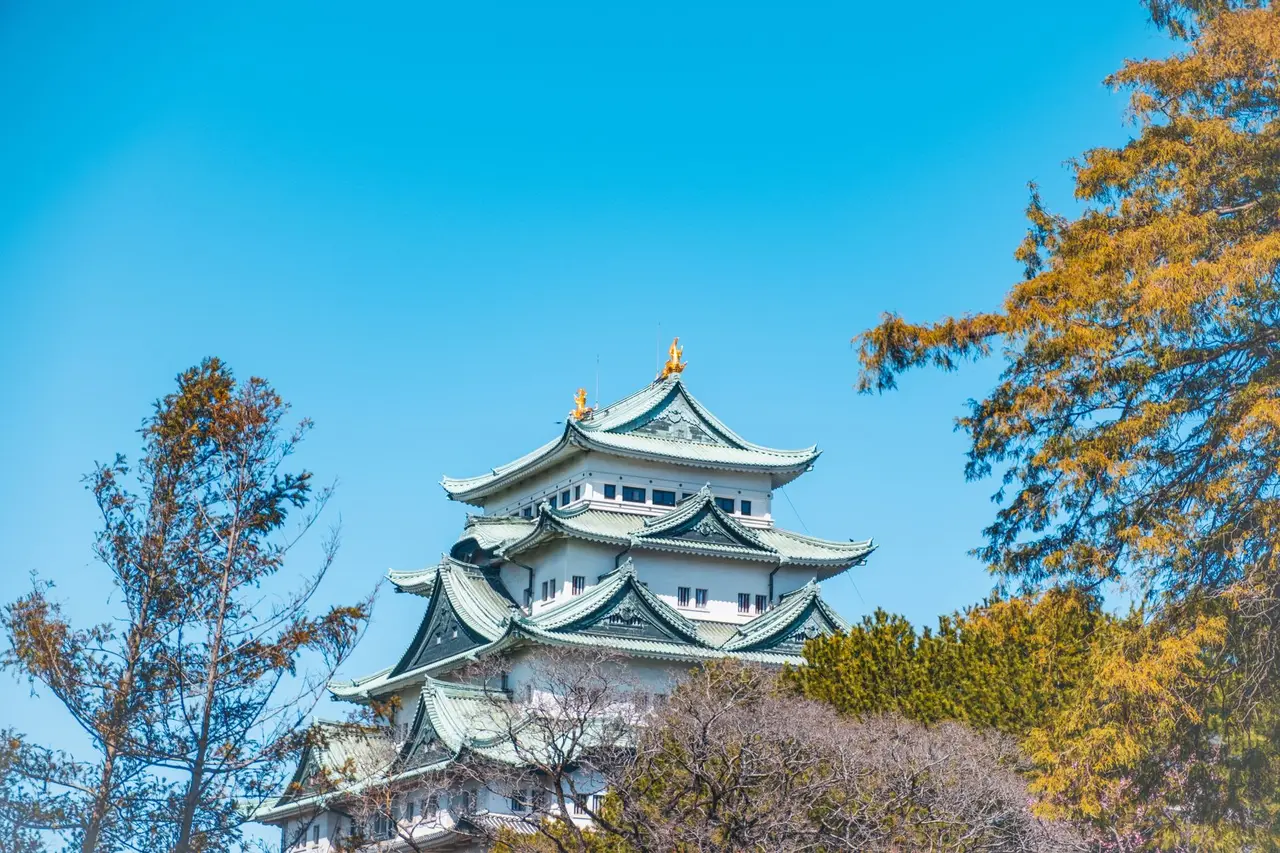
I expected Nagoya Castle to be the easy highlight. It wasn’t, exactly. The grounds were better than I thought, especially for a hot day when I wanted a simple walk, but the interior didn’t hold me for long. I paid ¥500 for entry, and I was out before I felt like I’d gotten my money’s worth from the building itself. The outside and the park area did more work than the inside. That was the surprise.
That’s the part I’d tell budget travelers to pay attention to: the castle is fine, but I wouldn’t build the whole day around it. If you’re short on time, go for the grounds and the exterior view. If you’re trying to save money, the interior is the first thing I’d cut. I was walking around in hot, humid weather in the 26–33°C range, with a hat, sunglasses, and a fan in my bag, and I still didn’t want to linger indoors longer than necessary.
After that, I’d head to Sakae for an evening walk and a cheap dinner. Sakae is useful because it gives you easy subway access and more food options without forcing a long commute back. I had a bowl of ramen and a drink for around ¥1,100 on one night, which felt like the right kind of spend: low enough to keep the trip cheap, good enough that I didn’t feel punished for saving.
Best for: travelers who want one paid sight and then a low-cost rest of the day.
Skip if: you need every stop to feel like a top-tier attraction.
My pick: castle grounds, not castle interior.
What I spent, and what I’d change
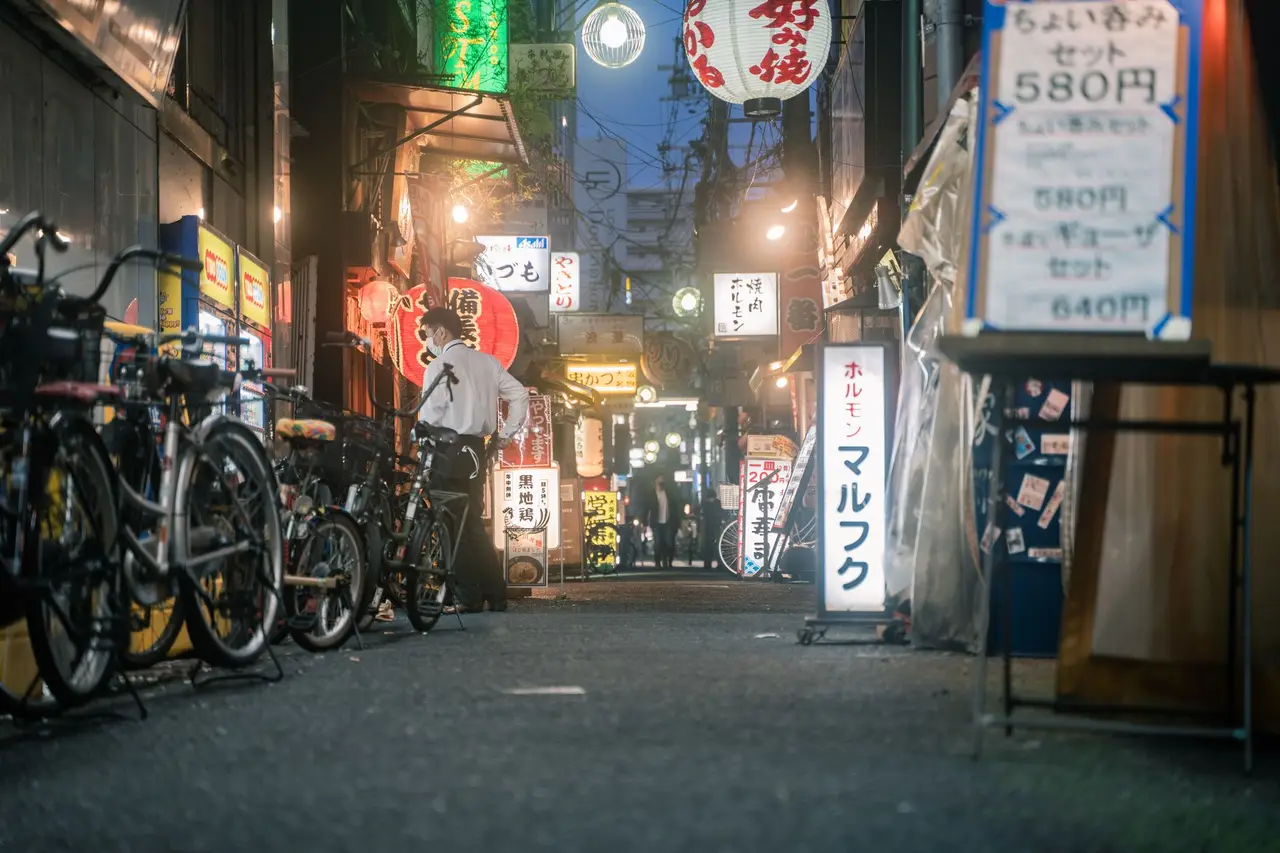
I tracked my own spending because “budget” means nothing if the numbers are fuzzy. On my cheaper Nagoya day, I kept food around ¥2,000–¥3,500 by mixing convenience-store breakfast, one proper meal, and a snack. Subway rides were usually small enough not to hurt, but they add up if you keep zigzagging across the city. A single fare is not the problem. Three random extra rides are.
The mistake I made was underestimating how much a “slightly off” location would cost me in time. I looked at one hotel that was cheaper by about ¥2,000 a night and thought I was being clever. Then I checked the route and realized I’d be adding around 25–30 minutes total each day just to get back and forth. I passed, but I only caught it because I checked before booking. If I’d booked first, I’d have paid in time instead of money, and I hate that trade.
What I’d change next time: I’d skip one paid sight entirely and lean harder into cheap food plus neighborhood walking. Nagoya doesn’t need a packed schedule. The city works better when you leave space between stops.
Budget-wise: spending less here is easier if you keep your base central and your activity list short.
Skip if: you’re the type who books three “main” attractions per day. You’ll overpay for transit and burn out.
My pick: fewer paid entries, more simple movement between food stops.
Food that makes budget sense in Nagoya
I’d spend on local food before I’d spend on shopping or guided anything. Nagoya is one of those cities where the food does more of the work than the sightseeing. Miso katsu, tebasaki chicken wings, and hitsumabushi are the obvious names. Not all of them are cheap, but they’re at least worth the money if you pick one or two and stop there.
I had tebasaki at a casual place and paid about ¥700–¥1,000 for a modest portion. That’s the kind of snack I like on a solo trip because it feels local without turning into a whole production. I’d rather do that than sit through hotel breakfast, which I almost never think is worth it unless it’s bundled into a room rate that’s already good.
I also used convenience stores more than I usually do in bigger cities. A rice ball, bottled tea, and a small dessert from a combini can get you through a late afternoon for under ¥700
Worth it: one proper Nagoya specialty meal, then cheap snacks the rest of the day.
Skip if: you’re chasing fancy restaurants just to say you ate local.
My pick: convenience store breakfast, real lunch, cheap dinner.
Getting around without wasting money

My rule in Nagoya was simple: if the subway got me there in one clean line, I took it. If a taxi saved only five minutes, I didn’t. The city is laid out well enough that you don’t need to be clever. You just need to avoid making your own life harder. I used the subway and walked a lot, and that kept the day costs tame.
A day pass can be worth it if you know you’ll make several rides. I didn’t buy one on every day because some days were too short to justify it. If you’re doing Nagoya Station, Osu, and Sakae in one loop, I’d price out the pass versus separate fares before buying. If you’re staying less than 5 days and only doing two areas, I’d probably skip the pass and just tap in as needed.
I also wouldn’t book a guided bus tour here. The city is easy enough on your own, and bus tours tend to bundle a lot of waiting with not much extra value. I’d rather spend that money on food or a better room.
Best for: travelers who like direct transit and don’t want to overthink routes.
Skip if: you plan to hop all over town for tiny stops. Your transport costs will creep up.
My pick: subway plus walking, not taxis or tours.
The one day I got Nagoya wrong
I went in expecting the castle area to be the obvious centerpiece, the kind of place I’d linger at for half a day. I thought the famous name would carry it. It didn’t. I spent about 20 minutes longer than I needed to inside because I kept waiting for it to turn into something more interesting, and it never really did. The grounds were fine, the interior was just okay, and the best part was the simple walk in and out.
That mattered because it changed how I’d plan the whole city. I don’t need to overbook Nagoya now. I’d treat it as a low-friction city with a few good food stops and one or two paid sights, not a place where the ticket list drives the day.
Worth it: the castle grounds and a simple city loop.
Skip if: you expect every famous stop to justify a long stay.
My pick: keep expectations lower and the trip gets better.
Rough daily estimates from my own trip. Prices shift by season.
What I’d do differently next time
I’d book a central hotel sooner instead of waiting to “see what’s available.” That works in smaller places. In Nagoya, it just creates friction. I’d also skip hotel breakfast if it adds more than about ¥1,000 to the room rate, because the city has too many easy cheap food options for that to make sense.
I’d keep one full afternoon open with no fixed stops. I tried to squeeze too much into one hot day, and it made the city feel more tiring than it needed to. The slower version was better. Not fancy. Better.
I’d also bring a proper hat again. My sunglasses and little hand fan saved me more than once. On a hot day, that tiny bit of prep matters more than another “must-do” stop.
I usually book Nagoya tours on Klook — the best time slots go fast, especially in peak season.
FAQ
How many days do I need in Nagoya on a budget?
Two full days is my sweet spot for a budget solo trip. I’d do one day for Osu and a neighborhood food loop, then another for the castle grounds and Sakae. If you only have one day, I’d cut the paid interior stops and keep it simple.
Is Nagoya Station a good place to stay alone?
Yes, it’s the best practical base I’d use for solo travel. I like it because late check-in, early departures, and cheap food are all easy there, and I don’t waste money on extra transit. If I’m arriving tired, I want the shortest possible walk to bed.
Should I buy a subway pass in Nagoya?
I’d only buy one if I knew I was making several rides in a single day. For a short trip with just a few central stops, I’d pay as I go and keep it flexible. That saved me from buying a pass I wouldn’t fully use.
Is Nagoya Castle worth the entry fee?
Yes, but mostly for the grounds, not the interior. I paid ¥500 and thought the outdoor area was the stronger part, especially on a hot day when I wanted an easy walk. If your budget is tight, I’d keep the exterior and skip the inside.
What food should I not miss in Nagoya if I’m saving money?
I’d spend on one local specialty meal and save on everything else. Miso katsu is the best budget-friendly pick for me, while hitsumabushi is the pricier one I’d do only once. Convenience-store breakfast and cheap ramen are how I’d keep the rest of the day affordable.
 Emma Hayes