

I almost left Nara too early. I’d spent the afternoon with the deer, got lightly head-butted over a cracker, then assumed the city would go dead after sunset. I was wrong enough to stay out another few hours, and that changed how I’d plan the place now. If you’re looking for things to do in Nara at night, the answer is simple: keep it quiet and keep it close.
My answer: yes, Nara at night is worth it if you want a slower, low-effort evening with a few real payoffs — quiet temple grounds, decent local food, and a walk that doesn’t feel like a project. It’s not for people chasing nightlife, neon, or a packed late dinner scene. The main thing that matters is this: Nara is better after dark when you stop trying to “do” it and just let it be calm.
Quick Answer: For one night in Nara, I’d do a short Kōfuku-ji and Naramachi walk, eat near Nara Station or Kintetsu Nara, and keep the evening under $35 total.
Day by Day
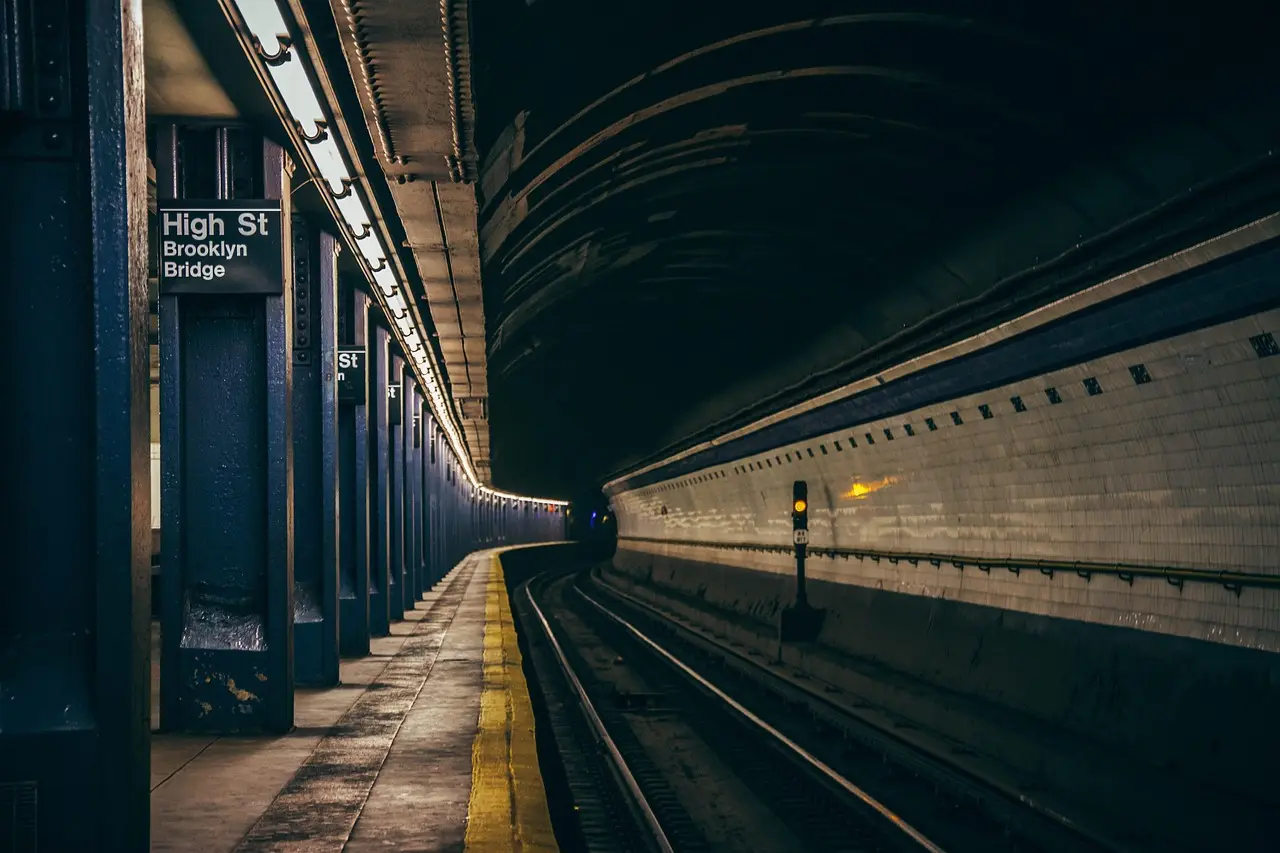
I’d do Nara night one very simply. Arrive, check in, drop your bag, eat nearby, and walk one small loop after sunset. That’s the version that actually works. The city is compact enough that you don’t need a long game plan, but it’s also not interesting enough to justify wandering aimlessly for hours.
If you’re coming from Kyoto, the JR Nara Line from Kyoto Station to Nara Station takes about 45 to 50 minutes on the rapid service and costs around ¥720
Best for: one-night stopovers and travelers who don’t want to waste daylight on logistics.
Skip if: you’re arriving after 9 p.m. and still expect a full evening of options. Nara gets quiet fast.
My pick: arrive by late afternoon if you can. Anything later and you’re just compressing the day into dinner and a short walk.
What I’d actually do
I’d take a 15-minute walk around Nara Station first, just to get oriented, then head toward the area around Sanjō-dōri or the streets near the old center. I paid ¥430 for a canned coffee and a bottle of water at a convenience store on my first night because I’d underestimated how humid it still felt — around 20–28°C, sticky enough that a fan was doing real work. The umbrella stayed in my bag after a short rain shower, which is very Nara in shoulder-season weather: one minute damp, the next minute warm again.
That first walk is not glamorous. It is useful. And useful beats glamorous when you’ve been on trains all day.
Worth it if: you want a soft landing and a cheap evening.
Not worth it if: you need a “scene.” There isn’t one.
Temples After Dark: Short Walks, Not a Full Pilgrimage
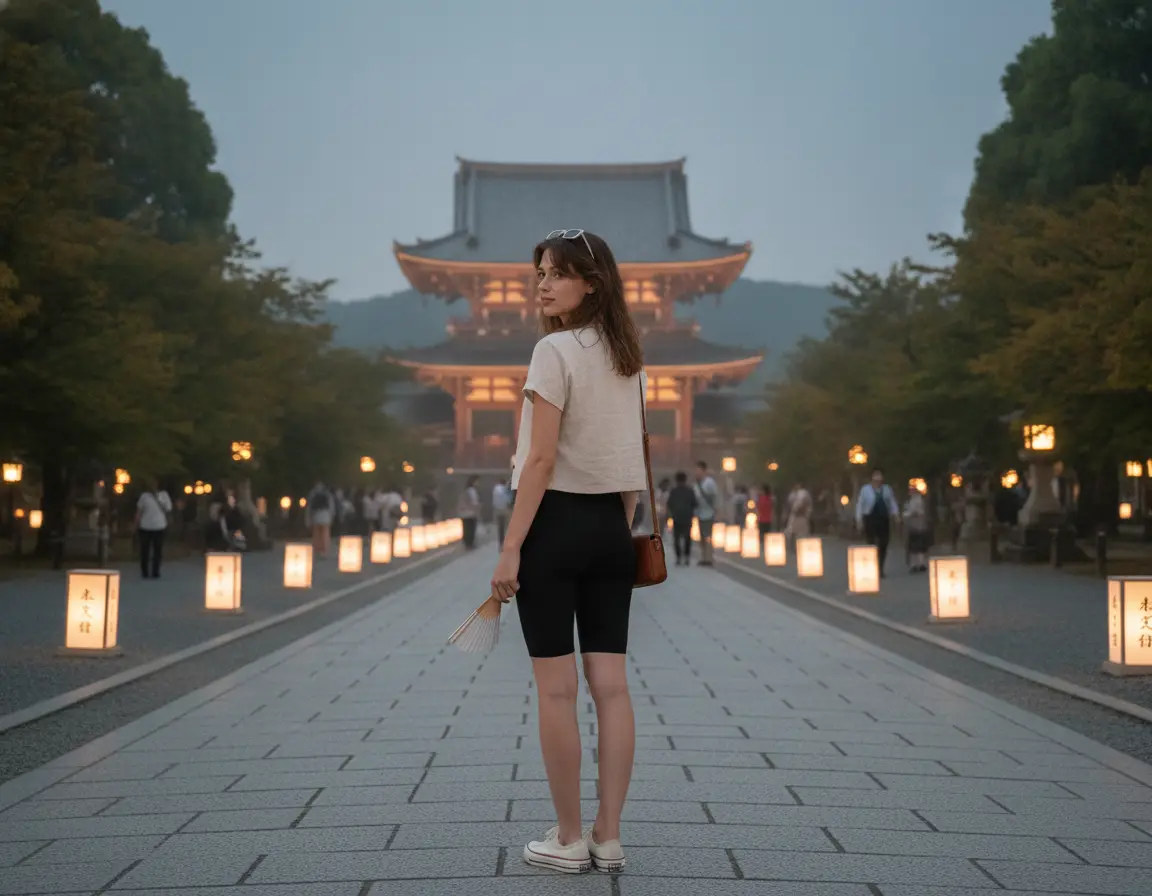
Nighttime temple viewing in Nara is the part people overhype online and then underuse in real life. I figured the big temples would feel empty in a magical way. Some of them did. Some just felt closed off and dark, which is a different thing. Still, a short evening walk near the major temple areas is worth it because the silence changes the whole place.
My favorite evening area is around Naramachi and the approaches near Kōfuku-ji. Kōfuku-ji’s grounds are free to approach, and even when the paid halls are closed, the pagoda and the open space around it give you enough of a nighttime mood without forcing you into a ticketed detour. I walked there from central Nara in about 15 to 20 minutes, with the streets mostly empty except for a few people heading home and one very determined deer near a crosswalk.
Best for: people who like quiet walks and don’t need everything to be open to enjoy it.
Skip if: you only care about interiors and museum-style visits. Most of that is daytime business.
My pick: Kōfuku-ji area first, then a slow drift toward Naramachi. It’s the easiest evening route with the least friction.
My route and what it cost
I’d start near Kintetsu Nara Station, walk to Kōfuku-ji in about 10 minutes, then continue through the edge of Naramachi for another 15 to 20 minutes. The whole loop is easy to do in under an hour if you’re not stopping constantly, or about 90 minutes if you like to linger and take photos. I didn’t pay anything for the walk itself, which is part of why I’d do it again.
If you want a ticketed temple stop at night, seasonal evening illuminations do happen from time to time, but I wouldn’t build the whole evening around them unless you already know the dates. I’ve been burned by “special nighttime access” more than once, and I’m not doing that again for a city this small.
Worth it if: you’re happy with atmosphere over activities.
Only if: you already have the day covered and want something calm to close it out.
Cost Breakdown
I’d skip the idea of a fancy dinner hunt and just eat near where you’re already walking. Nara at night is not the place to build a restaurant crawl. A simple meal near Nara Station or Kintetsu Nara saves time, and the food is good enough that you won’t feel cheated. That’s the honest read.
I had a set meal with grilled fish and rice for about ¥1,200 near the station, and it was exactly the kind of dinner that makes sense after a day of trains and deer chaos. Another night I grabbed ramen for around ¥950 because I didn’t want to sit around deciding between five nearly identical places. Both were fine. Neither was a destination in itself.
Best for: travelers who want a real meal without turning dinner into an event.
Skip if: you’re hoping for a late, lively restaurant scene. That’s not Nara’s thing.
My pick: station-area food over a scenic detour. I’d rather spend the extra 20 minutes walking after dinner than searching for some overpraised “local experience.”
What to order and where
If you’re near Kintetsu Nara, look for soba, udon, curry rice, ramen, or a set meal. I’d pay around ¥800 to ¥1,500 and stop there. If you’re in Naramachi and want something a little slower, some of the cafés and small restaurants stay open into the evening, but hours vary a lot, so I’d treat that as a bonus rather than a plan.
I once assumed I could just “find something cute” in the old town after dark. I walked for 25 minutes, passed three places already closing, and ended up back near the station eating curry in a place with fluorescent lights. It wasn’t tragic. It just reminded me that cute and open are not the same thing.
Budget-wise: dinner usually lands in the $7–$12 range if you keep it simple.
Worth it: yes, if you keep your expectations normal.
Where to Stay
Naramachi is the part of Nara I’d keep on the itinerary even after dark, but not for the reasons most people talk about. At night, it’s less about shops and more about the streets themselves. The lanes get quiet, the wooden buildings look different without daytime foot traffic, and you can actually hear your own shoes on the pavement. That sounds small. It isn’t.
For Nara I used Agoda — they had the best rate for my dates.
Where I’d Actually Stay in Nara
Nara Royal Hotel
Nara
★★★★☆

Asukasou Hotel
Nara
★★★★☆
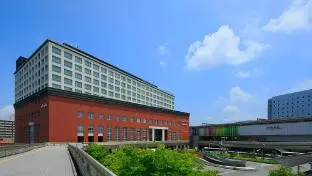
Hotel Nikko Nara
Nara
★★★★☆
I walked through Naramachi after dinner and expected it to feel a little staged, like a preserved district that only works in postcard lighting. It didn’t. It felt lived-in, just sleepy. A couple of places were still open, but most of the value was in the walk, not the storefronts. If you want souvenirs, come earlier. If you want a calm end to the day, come later.
Best for: solo travelers and couples who like slow streets more than attractions.
Skip if: you only have energy for one thing and that thing needs to be easy to photograph in full light.
My pick: do Naramachi after dinner, not before. The district works better as a closing scene than a main event.
How long to spend
I’d give it 45 minutes to 1.5 hours, depending on how much you like wandering. You don’t need a guide, and I wouldn’t book one. Just go on foot from the station side and let the streets pull you a little. If you’re tired, stop when it starts feeling repetitive. Nara is not a city that rewards forcing it.
My own mistake here was thinking I needed a “route.” I didn’t. I needed dinner, then a walk, then a bed. That’s it.
Worth it if: you enjoy quiet urban texture.
Skip if: your idea of a good evening involves bars or live music.
Transport Tips
I’d skip trying to turn Nara into a late-night attraction list. That’s the trap. The city has a few famous daytime stops — deer park, Todai-ji, the major temple circuit — but after dark, those aren’t the point unless there’s a special event or illumination happening. I’ve seen too many travelers waste energy chasing closed gates just because a blog made it sound like the city stays active late. It doesn’t.
I’d also skip long detours between sights. Walking from one end of the central area to another is fine in daylight, but after dinner it’s mostly just time spent not doing much. A taxi in Nara isn’t expensive in the grand scheme, but the whole point of the night here is that you probably don’t need one. If you do, I’d only use it to avoid a late walk back with a dead phone or tired legs.
Best for: travelers who like efficient evenings and don’t need “more” to feel satisfied.
Skip if: you’re the type who gets restless without a full activity stack. You’ll be bored here by 9 p.m.
My pick: one temple area, one meal, one short district walk. Anything beyond that starts to feel like busywork.
Things I thought would be better than they were
I expected the deer area to be fun at dusk. It was fine, but not special enough to build the night around. The deer are calmer, yes, but they’re also less of a novelty once the crackers are gone and the light starts dropping. If you only have one night, I’d save the deer for daytime and use the evening for the parts of Nara that actually change after sunset.
That’s the real tradeoff: daytime in Nara is about icons, nighttime is about mood. If you care more about movement and atmosphere than checklist sightseeing, the evening is the better use of your time.
Worth it: the quieter parts of the city.
Not worth it: pretending Nara turns into a nightlife place later.
My Best One-Night Nara Plan
If I had one night in Nara, I’d keep it tight. I’d arrive by 4 p.m., check in near Kintetsu Nara or Nara Station, eat by 6 p.m., then do a 60- to 90-minute loop through Kōfuku-ji and Naramachi. After that, I’d get dessert or a drink, then call it. That’s the version that gives you the city without making you work for it.
Here’s the practical cost for that kind of evening: ¥720 from Kyoto on JR, or roughly ¥680 from Osaka on Kintetsu; ¥800 to ¥1,500 for dinner; maybe ¥400 to ¥700 for a snack or coffee; and zero if you keep the walking free. Even with a taxi tossed in, I’d still expect to spend under $35 total for the evening. Cheap, easy, and not fake. I like that.
Best for: a short stay, a slow travel day, or anyone who wants Nara without overplanning it.
Skip if: you need nightlife to feel like you got your money’s worth.
My pick: stay near the station, not out in the middle of nowhere for some cheaper room that adds 20 minutes of dead time both ways.
Rough daily estimates from my own trip. Prices shift by season.
What I’d Do Differently Next Time
I’d book a hotel closer to the station and stop trying to save a few dollars on a place that’s awkward at night. I did that once and spent 18 minutes walking past closed storefronts with a bag cutting into my shoulder. Not a disaster, just annoying in a way I don’t need.
I’d also plan dinner earlier. Nara doesn’t punish late eaters, but the good simple places can narrow fast, and I’d rather eat at 6:30 than wander hungry at 8:30 pretending I’m being spontaneous. Finally, I’d stop expecting nighttime to be more “eventful” than it is. It’s quiet. That’s the point.
Best for: travelers who want an easy evening, a real meal, and a calm walk after dark.
Skip if: you want late bars, lots of open shops, or a city that still feels busy well past dinner.
Next time: I’d stay one night, eat near the station, and keep the whole evening to one temple loop and one district walk.
I pre-booked on Klook the night before — skipped the entire ticket line.
FAQ
Is Nara actually worth visiting at night?
Yes, Nara is worth visiting at night if you like quiet streets and low-effort evenings. I’d go for the atmosphere, not for a packed list of activities, because most of the city settles down early and that’s part of the appeal. If you only have one evening, I’d use it for dinner and a short walk rather than trying to force a bigger plan.
What can I do in Nara after dinner without getting bored?
I’d do a short walk through Kōfuku-ji and Naramachi, then stop for dessert or tea near the station. That works because the city is compact and the evening mood is the main draw, not open attractions. If you need constant action, Nara will feel too quiet by 8:30 p.m.
Is it safe to walk around Nara at night by myself?
Yes, I felt fine walking around the central areas at night as a solo traveler. The streets I used were calm, well lit enough, and not packed with late-night traffic, which made it feel straightforward rather than sketchy. I’d still keep the walk focused on the station area, Naramachi, and the main temple approaches instead of wandering far out of the center.
How late do restaurants stay open in Nara?
Most casual places wind down earlier than people expect, and I’d plan dinner before 8 p.m. if I had the choice. A few cafés, izakaya, and station-area spots stay open later, but hours change enough that I wouldn’t gamble on a late search. My safe move is to eat first, then wander after.
Should I stay overnight in Nara or just day trip it?
Yes, I’d stay overnight if you want to see Nara at night without rushing. The evening is a different experience from the daytime deer-and-temple circuit, and staying one night gives you room for a slow dinner and a real walk. If your trip is tight and you only care about the big daytime sights, a day trip is enough.
 Emma Hayes