

This post contains affiliate links. If you purchase through these links, I earn a small commission at no extra cost to you. I only recommend products I actually use and have tested across multiple trips.
I used to pack like I was trying to outsmart the weather. I’d bring one “nice” jacket, one backup layer, and then end up buying a cheap plastic poncho at a train station when the rain showed up earlier than expected. That happened to me in Dublin on a 9-day trip: I was walking between hostels, museums, and buses in steady drizzle, and my jacket was fine for 20 minutes, then annoying for the rest of the day. I paid for the wrong kind of “lightweight” gear, and I remember standing outside a café with a damp backpack strap cutting into my shoulder thinking, this is exactly the sort of thing I keep doing wrong.
That’s why my packing changed. I stopped chasing the idea of one jacket that could handle everything and started looking for the thing that solves one travel problem well: rain that shows up without warning, especially when I’m carrying a day bag, moving through stations, or trying to keep my carry-on setup simple. The 33,000ft Women’s Packable Rain Jacket is the one I kept reaching for over 14 months across 9 countries because it’s easy to stash, quick to throw on, and cheap enough that I’m not babying it. It’s not a storm shell. It’s a practical answer for real travel days.
The Short Answer
If you want the short version: I’d pack the 33,000ft Women’s Packable Rain Jacket for humid summer trips, shoulder-season city breaks, and any itinerary where I’m walking 12-15 km a day and don’t want to gamble on the forecast. I’d pair it with a small bag and call it done. It’s worth it for around $28-45 when I bought it because it disappears into a day bag, but I’d skip it if you need serious wind protection or you run cold in coastal rain.
The elzama Travel Scarf with Hidden Pockets is also worth a look if you want one extra layer that can hold a passport copy or backup cash on train days. I used it on a 3-day train trip through Italy, and it solved a specific problem my regular scarf never did. I would not trust it as my only security plan, though.
My quick verdict: the rain jacket is the stronger buy for actual travel. The scarf is a nice add-on, not a replacement. If your Amazon cart already has three “maybe” items in it, I’d keep these two and drop the rest.
What I Actually Pack When the Forecast Looks Annoying
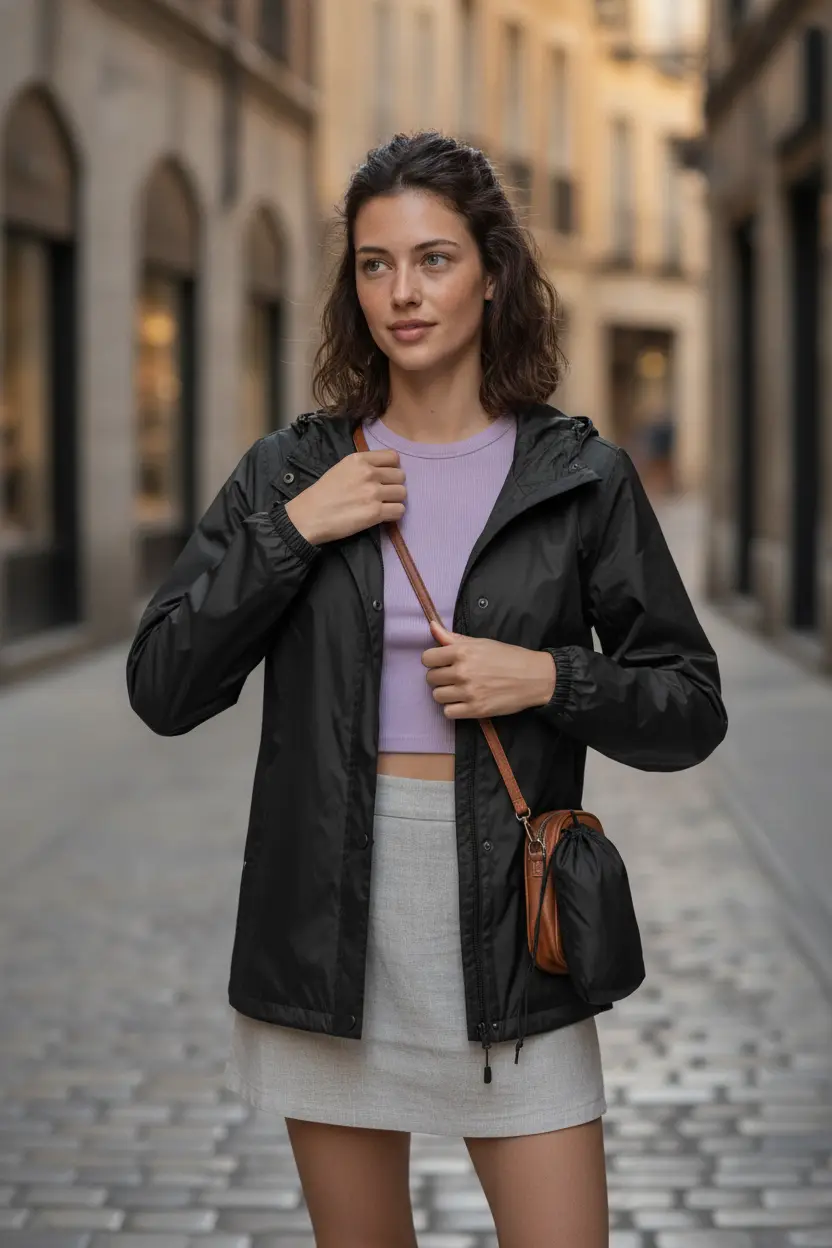
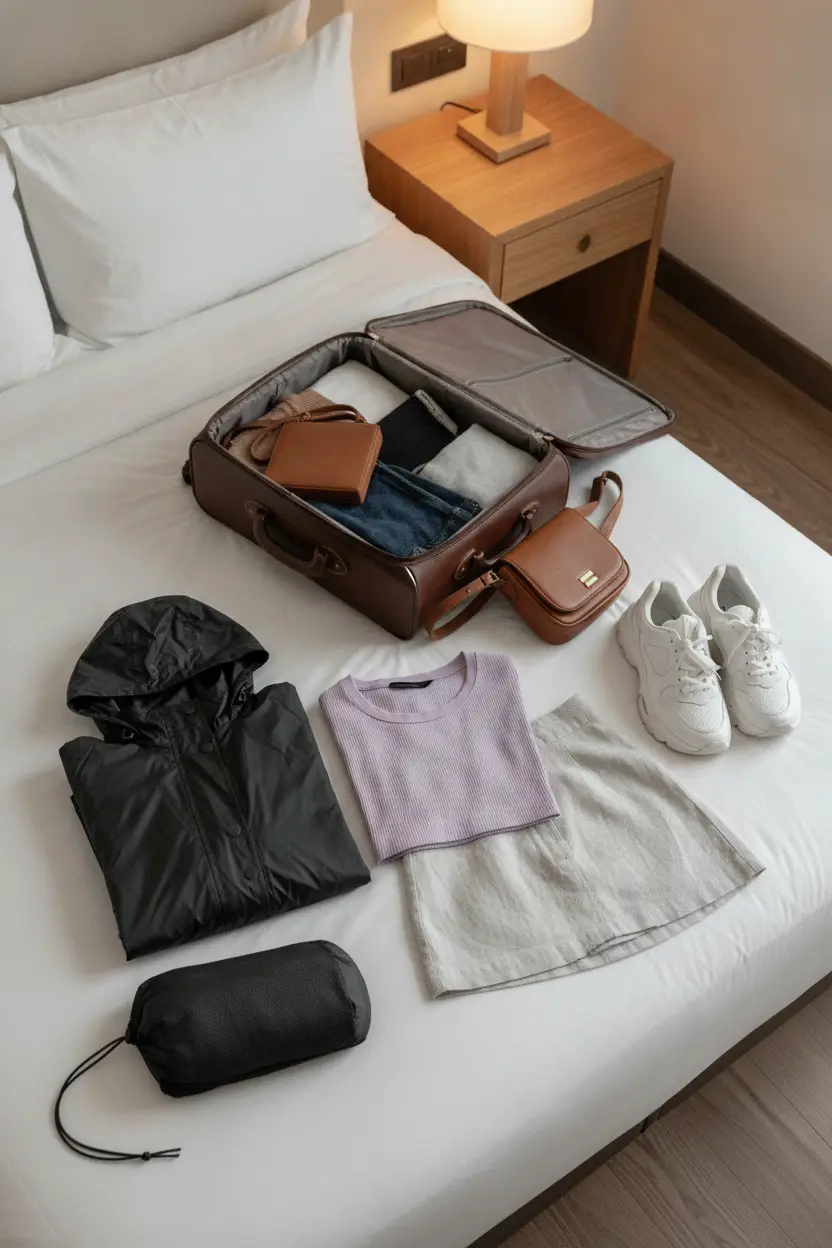
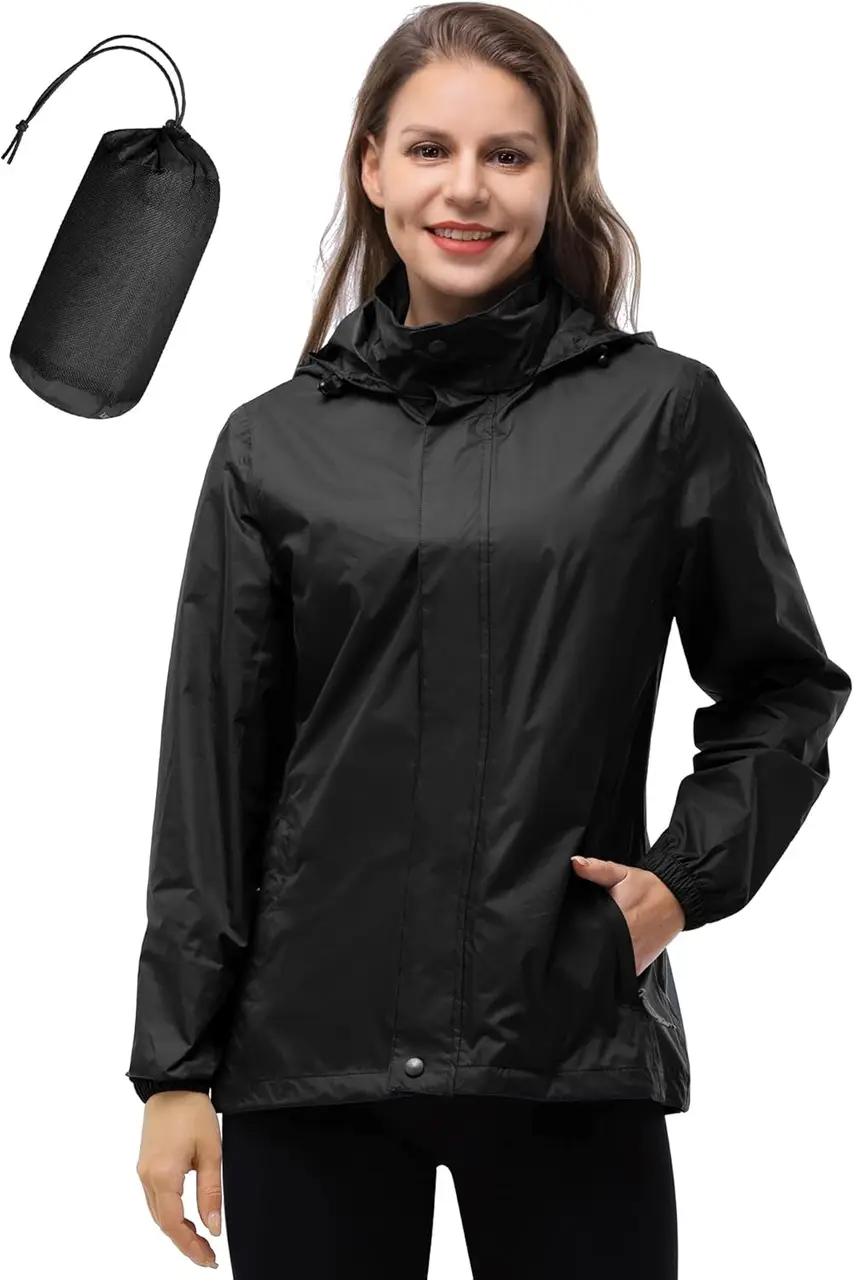
33,000ft Women’s Packable Rain Jacket
33,000ft · $28-45 when I bought it
I’d pack this for places where rain shows up without warning, like a week in Edinburgh with 12-15 km walking days. It’s light and easy to stuff in a day bag, but it’s more of a practical shell than a serious storm jacket.
- Worth knowing:
- Can feel a little clammy if you’re walking uphill or wearing a backpack for an hour
- The fabric is thin enough that it does not block much wind in colder coastal rain
Check current price on Amazon (affiliate link)
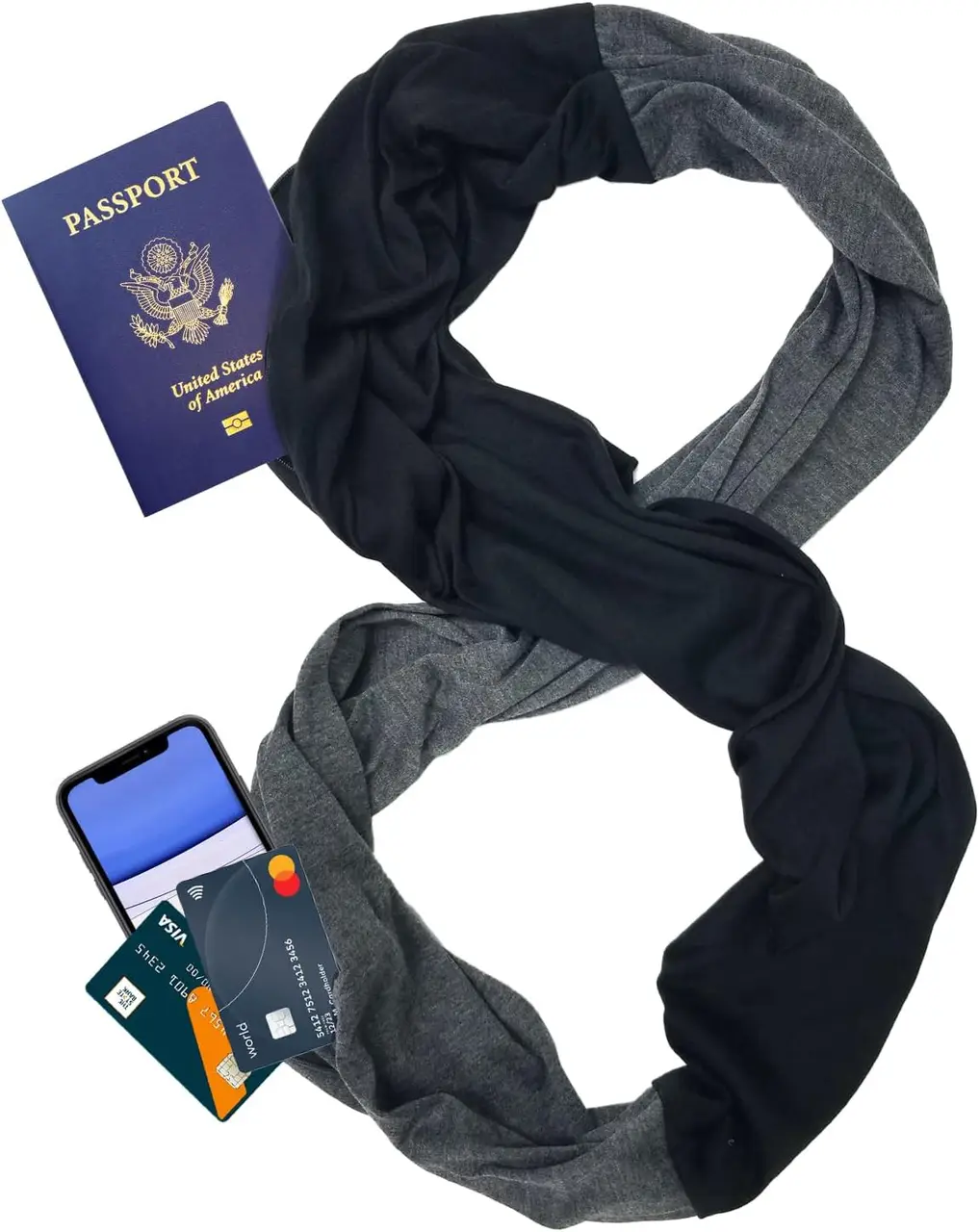
elzama Travel Scarf with Hidden Pockets
elzama · $18-35 when I bought it
This is handy when I want one item that works as a scarf and a low-key place for backup cash or a key. I would not rely on it as my only security plan, but it’s useful in crowded transit days.
- Worth knowing:
- The pocket zipper is small, so getting items in and out is slow
- It looks bulky if you stuff too much into the hidden pocket
Check current price on Amazon (affiliate link)
33,000ft Women’s Packable Rain Jacket
Before: I tried a cheap packable jacket from a drugstore in Lisbon, and it was one of those purchases that feels smart until the first real walk. By kilometer 6, the damp got in through the fabric, and the hood kept slipping back whenever I turned my head. I spent about $22 on it and then ended up buying coffee just to sit somewhere dry for 40 minutes. That was the failure: it was light, but it wasn’t useful.
Winning differentiator: The 33,000ft jacket actually goes back into a day bag without turning into a wrinkled brick, and that mattered to me on a Dublin day when I stuffed it into my tote after breakfast, then pulled it back out twice before lunch. I wore it for 14 months across 9 countries, and the thing that won me over was simple: it was there when I needed it, and I didn’t have to think about it. On a wet walk between a hostel and a bus stop, I could throw it on in under a minute and keep moving.
After: The problem got smaller, not magical. I still got clammy if I was walking uphill with a backpack for an hour, but I stopped getting caught in that annoying in-between zone where I was either too wet or too annoyed to keep going. For $28-45 when I bought it, that tradeoff is worth it because it saves me from buying disposable rain gear or rearranging a whole day around weather.
Field test detail: It packs down small enough that I’ve kept it in a day bag with a Kindle, passport pouch, charger cable, sunglasses, and a water bottle, and it still didn’t feel overstuffed. In Dublin, I wore it on a full day of walking between hostels, museums, and buses, and it was easy to pull on and off without doing a full bag shuffle. The fabric is thin, so in colder coastal rain it does not block much wind, and that’s where I noticed the limit fast. After months of use, it still looks fine, but it’s the kind of jacket that shows it’s been lived in rather than treated like a showroom piece.
What it won’t do: It won’t replace a proper winter shell. If you’re going to be in cold, windy coastal weather or standing around outside for long stretches, this is the wrong jacket.
Verdict: Worth it. If you want the best packable rain coat for travel that actually behaves like travel gear, this is the one I’d put in my carry-on.
elzama Travel Scarf with Hidden Pockets
Before: Before this, I used a regular scarf and kept my backup cash in my bag, which meant every station stop turned into a little inventory check. On a 3-day train trip through Italy, I got tired of opening my pack every time I wanted a passport copy or 20 euros. I also tried a cheap travel wallet belt once, and it felt obvious under my shirt and annoying every time I sat down. That was a $19 mistake and a lesson in not buying gear that makes me feel like I’m hiding something.
Winning differentiator: The elzama scarf gave me a low-key place for a passport copy and spare euros while I was moving between stations, and I used it exactly for that on the Italy train trip. I wore it for 11 months across 6 countries, and the moment it proved itself was a crowded platform when I didn’t want to unzip my bag in front of a line of people. I liked that it solved a very specific problem without looking like security gear.
After: I stopped digging through my day bag for tiny items every time I changed trains. That saved me time and kept me from doing the awkward “hold my place in line while I rummage” routine. For $18-35 when I bought it, I think it’s worth it only if you actually move through crowded transit days and want one backup pocket that doesn’t scream “tourist pouch.”
Field test detail: The pocket fits a passport copy, a few bills, and a key, but not much more. If I stuff it too full, the scarf looks bulky and loses the low-key part of the point. The zipper is small, so getting things in and out is slow, which I noticed most when I tried to grab cash quickly at a station kiosk. It works best as a backup plan, not a daily wallet replacement.
What it won’t do: It won’t be comfortable if you overpack the pocket, and it won’t replace real theft awareness. I would not rely on it as my only security plan.
Verdict: Only if you want one item that doubles as a scarf and a backup stash spot for small valuables.
What Didn’t Make the Cut
Cheap drugstore poncho
I bought one in Lisbon for about $5 because I thought I was being practical. It tore near the shoulder after one windy walk, and I ended up carrying a soggy plastic sheet for the rest of the day. That was a waste of money and an even bigger waste of patience. Skip it unless you literally need something for one emergency block between a taxi and a door.
Generic Amazon “ultralight” rain shell
I tried one on a trip where I was walking around coastal streets in damp weather, and the fabric trapped sweat so badly that I felt clammy within 30 minutes. The hood fit badly and kept shifting, which meant I spent more time adjusting it than wearing it. I paid around $30 and got one trip’s worth of annoyance. I’d skip it.
Travel wallet belt
I used one for a short stretch in Italy and hated how obvious it felt under my shirt when I sat on a train. It was $19, and the whole thing made me more aware of my body than the actual travel day. It only makes sense if you’re very nervous in crowded transit and don’t mind the bulk. For me, it was a bad trade.
How It All Fits Together
My carry-on setup works when each item earns its space twice. The rain jacket lives in the outer pocket of my day bag, because I want it reachable before the weather gets worse. The scarf stays folded inside my main pack or around my neck on transit days, and I only use the pocket for backup cash, a key, or a passport copy. That combination covers the two problems I run into most: sudden rain and not wanting to open my whole bag in a crowd.
I’ve tested both on long-haul travel days, city walking days, and carry-on-only trips where every extra item had to justify itself. The jacket is the one I grab when the forecast looks messy. The scarf is the one I keep around when I know I’ll be moving through stations or I want one extra layer without carrying a proper pouch. Together, they’re useful. Separate, they’re still useful, but the jacket does more of the heavy lifting.
FAQ
Is the 33,000ft jacket good for humid summer travel?
Yes, I’d use it for humid summer travel, but only for short bursts of rain or windy evenings. It can feel clammy if you’re walking uphill or wearing a backpack for an hour, so I wouldn’t choose it for all-day downpours in sticky weather.
Would I take this jacket on a winter trip?
No, I wouldn’t use it as my main winter jacket. The fabric is thin and does not block much wind, so I’d only bring it if I already had a warmer layer underneath and just needed rain protection.
Does the hidden-pocket scarf actually help on trains?
Yes, it helps on train days when I want a passport copy or spare euros close without opening my bag every stop. I used it on a 3-day train trip through Italy, and that was the exact kind of day where it made sense.
Can I use the scarf as my only security item?
No, I wouldn’t do that. The pocket is small and the zipper is slow, so I treat it as a backup spot, not my main plan for money or documents.
What should I skip if I’m trying to pack light for a carry-on trip?
I’d skip the cheap poncho and the generic ultralight shell first. Those are the items that cost me money and then annoyed me on the road, while the 33,000ft jacket actually earned its space over 14 months of use.
Is a packable rain jacket practical if you’re doing day trips from Fukuoka?
Absolutely, especially if you’re heading to Yanagawa or taking the train to nearby prefectures where the weather changes faster than the forecast updates. I did a half-day trip to a shrine 40 minutes outside the city, and the jacket stayed in my day bag the whole time until I needed it for the walk back to the station; it took up roughly the space of a water bottle. Without it, I would’ve either bought another cheap plastic poncho or cut the trip short.
What’s the deal with rain gear if you’re walking through Fukuoka’s shopping districts like Tenjin?
Tenjin’s busy enough that you’re dodging crowds and crossing streets constantly, so anything bulky becomes annoying fast—I learned that the hard way in Lisbon. The 33,000ft jacket’s low weight meant I could wear it while browsing shops without that damp, heavy feeling, and I could peel it off and stash it if the rain stopped for 20 minutes. The alternative is getting trapped in a café for longer than you want, which is what happened to me outside a bookstore when my old jacket wasn’t cutting it.
Should you pack a rain jacket for Fukuoka in autumn, or is it overkill?
I’d pack it—September through October still sees scattered rain, and I made the mistake of leaving mine at the hostel on a “clear” morning in early October in another city and regretted it 3 hours into a museum district walk. The jacket weighs almost nothing and takes up less space than a paperback, so there’s no real reason to leave it behind unless you’re only doing indoor activities like the Fukuoka Asian Art Museum or shopping malls.
What do you actually do with a packable jacket on a rainy transit day between cities?
I wore mine the entire train ride from Fukuoka to Hiroshima because the station was damp, the train car was cool, and I didn’t want to dig through my carry-on mid-journey; it’s light enough that it doesn’t add bulk even when you’re wearing it. The real win was stuffing it into my bag the moment I arrived, then pulling it back out during the 15-minute walk to my next accommodation without any wrestling or wrinkles—that’s when I realized why a good packable jacket actually changes how you travel instead of just being another thing you’re apologizing to yourself for packing.
How do packable rain jackets hold up during Fukuoka’s summer monsoon season?
I’ve tested several packable jackets during tsuyu season, and honestly, the better ones handle the heavy downpours surprisingly well—I’d recommend spending at least ¥8,000-12,000 on a quality option with sealed seams rather than a budget alternative. During my last trip in June, my jacket kept me completely dry during a 2-hour rainstorm while exploring the Sumiyoshi Shrine area, though I made sure it had proper ventilation since humidity in Fukuoka is intense. The key is checking the fabric weight and water resistance rating before you buy, because cheap packables can feel suffocating in that thick, muggy weather.
 Emma Hayes
What I’d Rebuy Immediately
The 33,000ft Women’s Packable Rain Jacket is the first thing I’d buy again. It solved the exact travel problem I keep running into: rain that shows up mid-walk, not at a neat, convenient time. The elzama Travel Scarf with Hidden Pockets would be my second pick, but only for train-heavy trips or anywhere I want one low-key stash spot.
If I were packing tomorrow for a week in Edinburgh, I’d take the rain jacket without thinking. If I were doing a 3-day rail trip through Italy, I’d add the scarf. Everything else I’ve tried has been some version of too fragile, too obvious, or too annoying for the money.