

33°C, one rain shower, and one very sweaty walk later, I stopped pretending Bangkok was a city I’d “figure out” by vibes. I paid $18 for a room near a BTS station, and that one choice saved me from a lot of annoying taxi math. If I had to choose one base for a first Bangkok trip, I’d stay in Sukhumvit. It’s the easiest all-around answer, especially if you want transit, food, and late nights without paying hotel prices that make no sense. For the best neighborhoods in Bangkok, that’s still the one I’d start with.
Silom is my strongest backup. I’d pick it if I wanted a calmer night setup and slightly less chaos after dark. I would not choose Khao San as a main base unless I was doing one very short, nightlife-heavy trip and didn’t care about rail access.
Quick answer: Sukhumvit is the best all-around base for a first Bangkok trip, with Silom as the calmer second choice. Expect about $35–$80/night in Sukhumvit, $30–$70/night in Silom, and $12–$35/night near Khao San.
Sukhumvit: the easiest first Bangkok base
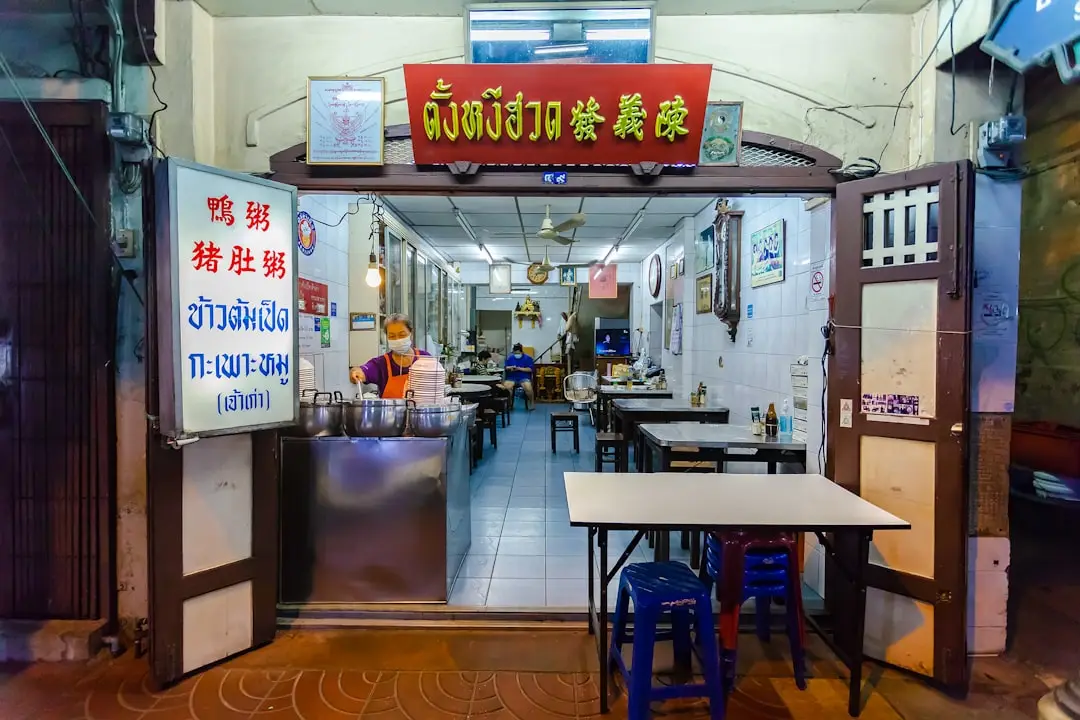
Verdict: worth it for most first-timers.
Sukhumvit is where I’d stay if I wanted Bangkok to feel manageable on day one. I’m talking BTS access, decent hotel choice, late food, and enough convenience stores that I never had to overthink a bottle of water or a snack. I stayed near Asok and paid $18 for a simple room once; another time I paid closer to $52 for a nicer place with better soundproofing, and that jump was actually worth it because I slept better. The difference between a room five minutes from the station and one tucked deeper inside a side street is real here.
Best for: First-time visitors, solo travelers, and anyone planning to move around the city a lot.
Skip if: You hate traffic-heavy streets, shiny malls, and neighborhoods that feel more efficient than charming.
Main tradeoff: You get convenience, but not much atmosphere at street level.
The practical win is transit. Staying here means I could be on the BTS in minutes, which mattered more than I expected when the heat was brutal and a rain shower hit right as I was leaving for dinner. I ducked under an overhang near Phrom Phong for ten minutes with my umbrella and then kept going instead of hailing a car. That sounds small. It adds up fast in Bangkok.
Food is easy too. I ate grilled chicken, rice, and a cold drink from a street stall for around $3.50, then grabbed mango sticky rice for about $2. The area isn’t cheap-cheap, but it’s good value if you use the transit and don’t spend your whole stay inside a hotel. If you want to stay somewhere walkable without needing a taxi every time you get hungry, Sukhumvit is the best Bangkok base for first-timers.
See current Bangkok hotel rates on Agoda if you want to compare station-adjacent rooms before the good ones disappear.
Silom: better if you want a calmer night and a cleaner tradeoff

Verdict: my second choice, and the one I’d use for a slower trip.
I’d choose Silom when I want Bangkok to feel slightly less frantic. It’s still central, still connected, and still easy to live in, but the pace felt a little more controlled to me. I once booked a room here for about $41/night after comparing it with a slightly cheaper Sukhumvit option that was deeper in a side road. I went with Silom because I wanted to walk home late without dealing with the same level of bar noise. That was the tipping point.
Best for: Travelers who want central access but not the full Sukhumvit buzz, and people who care about a decent sleep more than nightlife.
Skip if: You want the biggest choice of malls, bars, and late-night food right outside your door.
Main tradeoff: It’s easier to sleep, but you give up some of Sukhumvit’s nonstop convenience.
Silom also works well if you’re mixing sightseeing with a bit of downtime. I could get to the river area, Chinatown, and other parts of the city without making each day feel like a logistics project. The neighborhood itself is not trying to impress anyone, which I actually like. Fine, not glamorous. Useful.
The only thing I’d flag is that Silom can feel a little more businesslike during the day. At night, though, it’s calmer than I expected. I thought it would feel dead after dinner, and that wasn’t true at all — it was just less noisy than Sukhumvit. That matters if you’re a light sleeper or you’ve had one too many Bangkok nights where the street noise wins.
Khao San: only if nightlife matters more than transit
Verdict: skip it as a main base unless you’re there for the scene.
I know Khao San is the classic backpacker answer, but I don’t think it’s the best area to stay in Bangkok unless your trip is built around late nights, cheap drinks, and very little concern for rail access. I stayed nearby once because I thought it would be a fun, easy first-night setup. It was cheap, yes. I paid around $15 for a basic guesthouse room. But getting anywhere else in the city turned into a taxi or boat situation, and that got old faster than I expected.
Best for: Short stays, party-heavy trips, and travelers who want the backpacker cluster right outside the door.
Skip if: You care about BTS or MRT access, or you hate noisy streets at night.
Main tradeoff: It’s cheap and social, but it’s not a good base for moving around Bangkok efficiently.
I figured the chaos would be part of the fun. It was, for about an hour. Then I wanted a normal coffee, a quieter street, and a predictable way to get across town. That didn’t come easily. The area is also one of those places where the “cheap” label can fool you. You save on the room, then spend more on transport and lose time every day.
That’s the kind of place I’d use for one night, maybe two. Not the full trip. If you’re deciding where to stay in Bangkok for a first visit, Khao San is the first option I’d cut.
Riverside: worth it for views, not for convenience
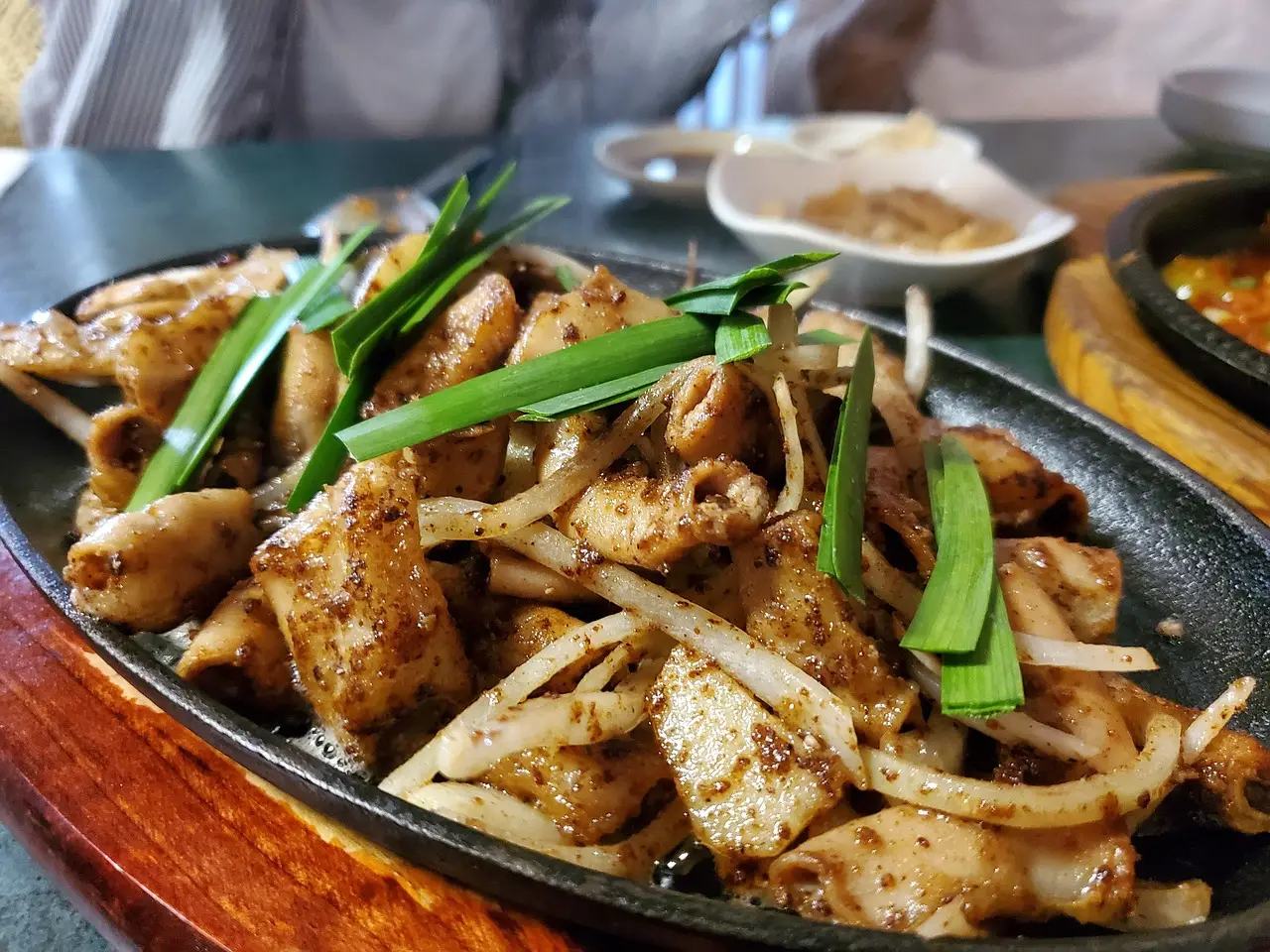
Verdict: only if the hotel experience matters more than getting around fast.
The riverside looks tempting, and some of the hotels are genuinely nicer than the price suggests. I stayed one night in a riverside area and paid about $64, which got me a quieter room and a nicer common area than I had in central Bangkok. But I also spent more time arranging transport than I wanted to. A taxi to the BTS took longer than it should have, and once you’re outside the immediate river zone, the charm drops off pretty fast.
Best for: Couples, slower travelers, and people who want a quieter hotel base with a view.
Skip if: You plan to move around the city a lot and don’t want to rely on taxis.
Main tradeoff: Better hotel feel, worse daily logistics.
I expected the riverside to feel more special than it did. It was nice, but not enough to justify the constant extra travel time for my kind of trip. If I were going for a long weekend and mostly staying near the hotel, I’d consider it. If I’m out most of the day, I’d rather stay in Sukhumvit and save the money for food and a better room.
Location consequence here is simple: staying riverside can mean 20–30 minutes to reach the areas I actually wanted, and that’s before traffic gets ugly. I don’t love paying extra for a slower day.
If things to do in bangkok matters to your trip, my Things To Do In Bangkok At Night has the specifics.
I wrote a more detailed breakdown in Free Things To Do In Bangkok — worth reading if you’re still deciding.
For a deeper look at bangkok, I covered this in my Bangkok In November.
I compared the options in Bangkok In December — useful if you haven’t booked yet.
Old Town: better for temples than for an easy stay
Verdict: good for a short culture-heavy stay, not my pick for a first Bangkok base.
See current Bangkok hotel prices on Agoda →
Where I’d Actually Stay in Bangkok
BelAire Bangkok Sukhumvit
Bangkok
★★★★☆

Holiday Inn Bangkok Silom By IHG
Bangkok
★★★★☆

Arawana Regency Park Sukhumvit
Bangkok
★★★★☆
Old Town is where I’d stay if my plan revolved around temples, museums, and early starts. I liked being able to walk to a few major sights without dealing with morning transit, and I paid around $28 for a simple room that was fine for one night. But the area gets quiet at night in a way that felt a little too quiet for me, and moving to other parts of Bangkok still took effort.
Best for: Temple-heavy trips, history-focused travelers, and people who don’t mind using boats or taxis more often.
Skip if: You want easy access to the BTS, nightlife, or a wider range of restaurants.
Main tradeoff: You gain walkable sightseeing, but you lose the city’s easiest transport network.
I went in expecting Old Town to be the obvious “Bangkok” answer. It wasn’t. It was useful for the temples, and I’m glad I stayed once, but it didn’t make the rest of the city easier. For me, that’s the whole point of choosing a neighborhood well. A good base should reduce friction, not just place you near one attraction.
Still, if your Bangkok trip is only two nights and temples are the priority, Old Town can make sense. I’d just go in knowing you’re choosing atmosphere and proximity over convenience.
The night I booked the wrong kind of “convenient” room
I made one dumb booking decision in Bangkok that still sticks with me. I saw a cheaper room about $11 less than the one I wanted and assumed the location would be close enough because the map looked fine. The trigger was obvious in hindsight: the hotel sat deeper in a side lane than I realized, and the walk from the station took about 18 minutes in heavy heat with my bag bouncing against my leg.
By the time I reached the room, I was already annoyed, and then I heard scooter noise from the alley and realized I’d saved almost nothing. I spent the next morning taking taxis I wouldn’t have needed if I’d paid the extra money for the better spot. The cost wasn’t just the cash gap. It was time and energy. I’d rather pay $10–$20 more per night for a place I can reach without a mini expedition.
What I’d do next time: I’d always check the actual walking path from the station, not just the distance on the map. In Bangkok, 700 meters can feel like 700 too many if the sidewalk disappears halfway there.
What I’d choose again
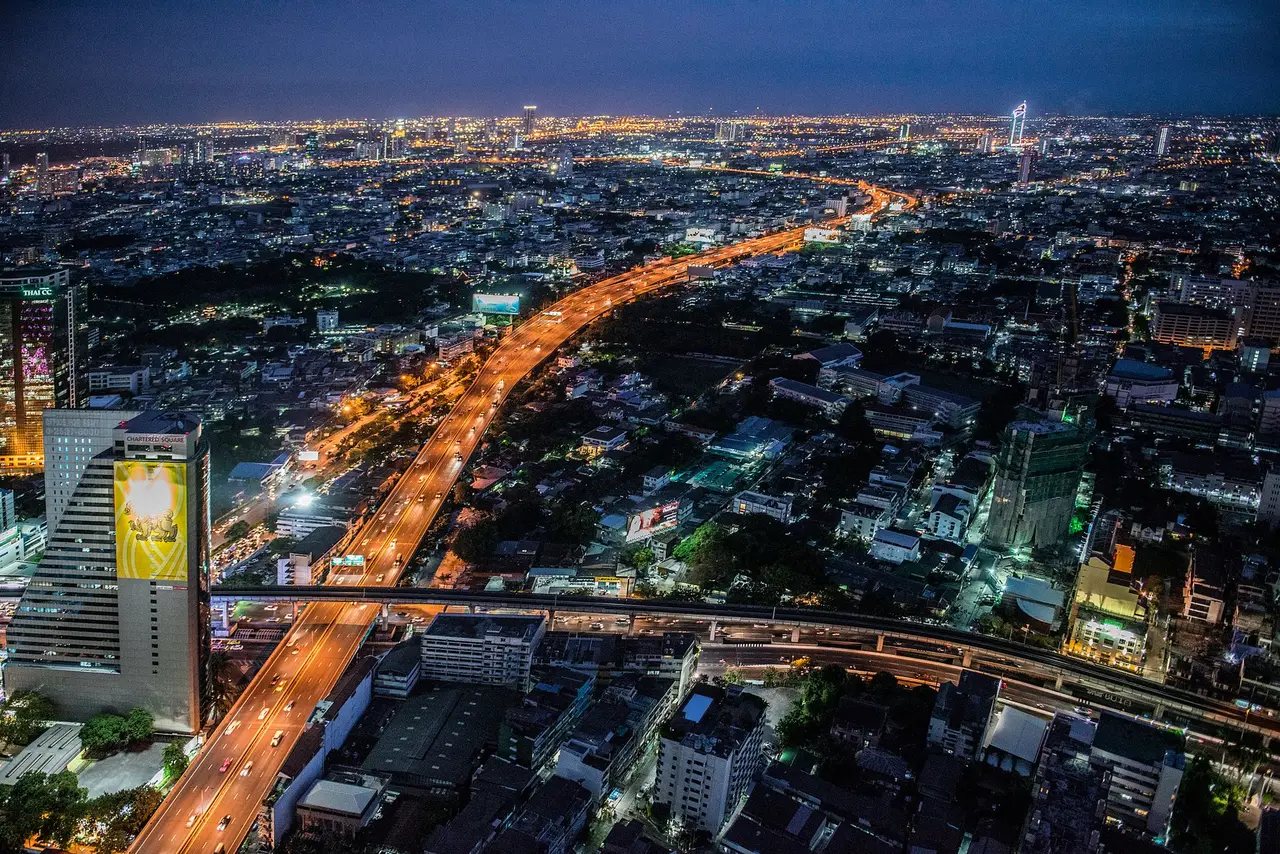
If I’m being plain about it, I’d choose Sukhumvit again for a first Bangkok trip. It gave me the best mix of transit, food, and flexibility, and I didn’t have to think hard every time I left the hotel. That matters more in Bangkok than it does in some cities because the heat, traffic, and rain can make a “cheap” location feel expensive fast.
Silom would be my second choice if I wanted quieter nights. Khao San only wins if the trip is short and centered on nightlife. Old Town is the move for temples, not for easy daily life. Riverside is nice if I’m treating the hotel as part of the trip, which I usually am not.
Rough daily estimates from my own trip. Prices shift by season.
What I’d do differently next time
I’d book closer to a station every single time, even if the room looked a little less exciting online. I’d also avoid treating Khao San as a base unless I wanted that exact scene. And I’d stop underestimating how much easier Bangkok feels when I can walk five minutes, not fifteen, to the train.
I’d probably spend one night on the riverside only if I had a slow arrival or wanted a quieter reset. Otherwise, I’d keep my base in Sukhumvit and just move around from there.
I usually book Bangkok tours on Klook — the best time slots go fast, especially in peak season.
FAQ
Is Sukhumvit too busy to stay in?
No, I’d still pick Sukhumvit even though it’s busy. The noise depends a lot on the exact street, and a room near the BTS can be surprisingly manageable if it’s not facing the road. I paid about $52 for a quieter place there once, and the better sleep was worth it.
Should I stay near Khao San for my first Bangkok trip?
No, I wouldn’t stay there for a first trip unless nightlife is the whole plan. It’s cheap and social, but the transport setup is clunkier than the rail-connected areas. I’d rather pay a little more and save the daily hassle.
Is Silom good if I’m traveling alone?
Yes, I think Silom works well for solo travel. It felt central without being as loud as some parts of Sukhumvit, and that made late returns less annoying. I’d choose it if I wanted calmer nights and still wanted to move around easily.
How much more do I pay for a better location in Bangkok?
Usually not as much as people think, and that’s why I lean toward paying more. I’ve seen the difference between a $15 room in a bad spot and a $35–$55 room near transit, and the better location often saves me money on taxis. If you’re staying 3 nights, that tradeoff usually pays back fast.
What area would you book again for a short trip?
I’d book Sukhumvit again for a short trip. It gives me the best mix of station access, food, and flexibility without forcing me into taxi mode every day. If I only had 2 nights, I’d take function over charm.
 Emma Hayes