

Nobody told me this before I went: Nagoya is one of the easiest Japanese cities to eat well without spending stupid money. I walked out of lunch with a full tray for ¥980
It’s best for budget travelers, solo eaters, and anyone who wants real meals near the station without planning every bite three days ahead. It’s not for people chasing fancy tasting menus or places with a line just because TikTok found them. The thing that matters most here is value per meal, not hype.
My biggest surprise was how quickly Nagoya food got good once I stopped following the obvious names. I expected the famous dishes to be a little overplayed. Some are, honestly. But the city still gave me a few meals I’d go back for, and a couple I’d skip without thinking twice.
Quick Answer: Nagoya is very good for budget food if you stick to lunch sets, station basements, and a few regional dishes. My best value meals were a ¥780 curry plate, a ¥850 kishimen bowl, and a ¥980 lunch tray, while hitsumabushi was a ¥4,200 splurge.
Restaurants

Best first stop: a teishoku lunch set or miso-katsu near Nagoya Station.
Best regional dish: hitsumabushi, but only if you pick the right place and accept the price.
Best budget snack zone: Sakae and the station basements for quick, cheap, no-nonsense food.
Skip: anything with a 40-minute line unless the price is actually low.
The meal I’d seek out first
If I had one meal to start with in Nagoya, I’d go straight for miso-katsu at a no-frills lunch spot, not a famous chain with polished branding. I paid ¥1,100 for a pork cutlet set at a place near Nagoya Station, and it came with rice, cabbage, miso soup, and that dark red miso sauce Nagoya keeps defending like it’s personal. It was filling, fast, and not trying too hard.

I had that lunch after a humid morning walking around in 31°C heat, and I was grateful for anything that showed up in under 10 minutes. I’d rather spend ¥1,100 on that than ¥1,800 on a prettier version with a wait. The sauce is strong, a little sweet, and not for everyone, but that’s the point — it tastes like the city, not like a safe export version.
Worth it: yes, if you want a Nagoya-specific meal that still fits a budget.
Skip if: you dislike heavier fried food or rich sauce at lunch.
My pick: a simple set meal over a famous restaurant with a queue.
What I ordered and what I’d order again
I ordered the standard set because I wanted the cheapest real version first. If I went back, I’d still get the same thing before trying a more expensive specialty cut. The extra ¥500-¥700 for fancier pork didn’t look worth it when the basic set already did the job.
How to find this kind of meal: search for teishoku or tonkatsu places within a 10-minute walk of Nagoya Station or Sakae, then look at the lunch set board outside. In Japan, the best budget lunches are often the ones with plastic food displays and handwritten prices. That’s not glamorous. It works.
Hitsumabushi is famous for a reason, but I wouldn’t call it budget food
Everyone recommends hitsumabushi in Nagoya, and they’re not wrong exactly. I paid ¥4,200 for a bowl at a well-known spot in the city center, and it was good enough that I finished every bite. But this is one of those meals where the price jumps fast, and the value depends on whether you’re treating it like a special lunch or just checking a box.
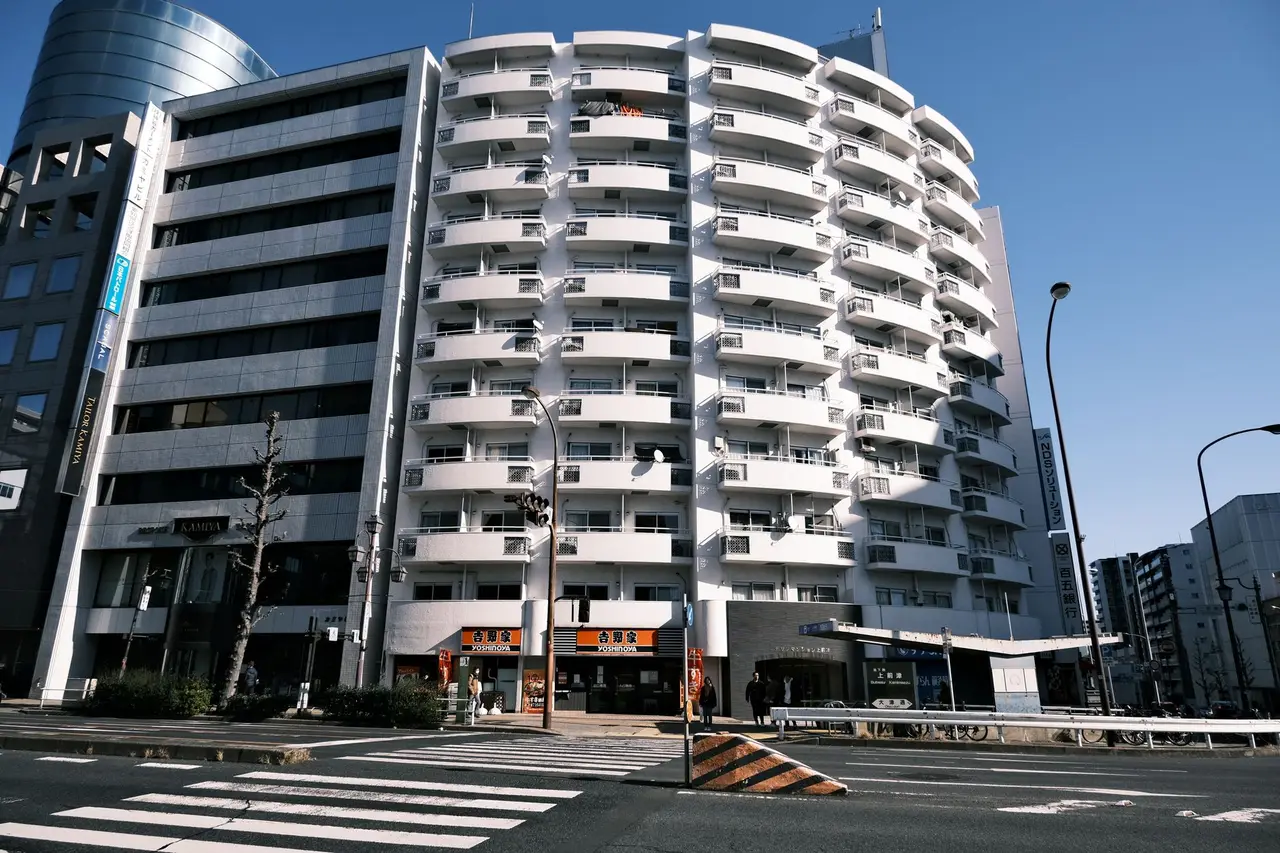
I expected it to feel overhyped. It didn’t. The grilled eel was smoky, the rice held up, and the ritual of eating it in three stages was actually more fun than I wanted it to be. Still, I wouldn’t tell a budget traveler to make this their default Nagoya meal. It’s worth it once, only if you’re okay paying for the city’s signature dish.
I went because I had read enough people saying, “You can’t leave Nagoya without it.” Fine. Maybe. But if your daily food budget is around ¥3,000-¥4,000
Worth it: only if you want the classic Nagoya dish and accept the price.
Skip if: you’re trying to keep food under a tight daily cap.
My pick: one hitsumabushi meal, not a repeat order.
How to order it without slowing yourself down
Most places make this easy. You’ll usually point to the menu or choose from a lunch set if there’s an English sheet. I paid at the counter first at one place and got a number; at another, I was seated first and paid on the way out. Both were simple, but I’d still check the ordering flow before sitting down so I don’t end up awkwardly waving at a staff member while hungry.
If the restaurant is near Osu or Nagoya Station and the wait looks ugly, I’d skip it and eat elsewhere. Hitsumabushi is good, not magic. A 30-minute line turns it into a bad value fast.
Where I ate cheap without feeling punished
The best budget food in Nagoya wasn’t one dramatic meal. It was the stack of normal ones that kept me full without draining my wallet. My cheapest solid lunch was a curry rice plate for ¥780 in a station-area food hall, and I also grabbed onigiri and a bottled tea from a convenience store for under ¥400 when I was between stops. That stuff sounds boring, but it saves the day.
I’m picky about cheap food because cheap can get depressing fast. Nagoya didn’t do that to me. The basement food floors in department stores around Sakae and Nagoya Station were especially useful because I could look at a few options, choose the least annoying one, and eat standing or sitting within minutes. No drama. No line over 30 minutes. That alone made them worth it.
Best for: solo travelers who want fast lunch and don’t care about ambience.
Skip if: you need a long sit-down meal to feel like the day counted.
My pick: station basement food halls over random overpriced café lunches.
The cheap meals that kept me moving
I had a soba set for ¥900 one afternoon when I was too hot and too lazy for anything fancier. It was fine, which is a compliment in this context. Fine is what you want when you’re between trains and your shirt is already sticking to your back.
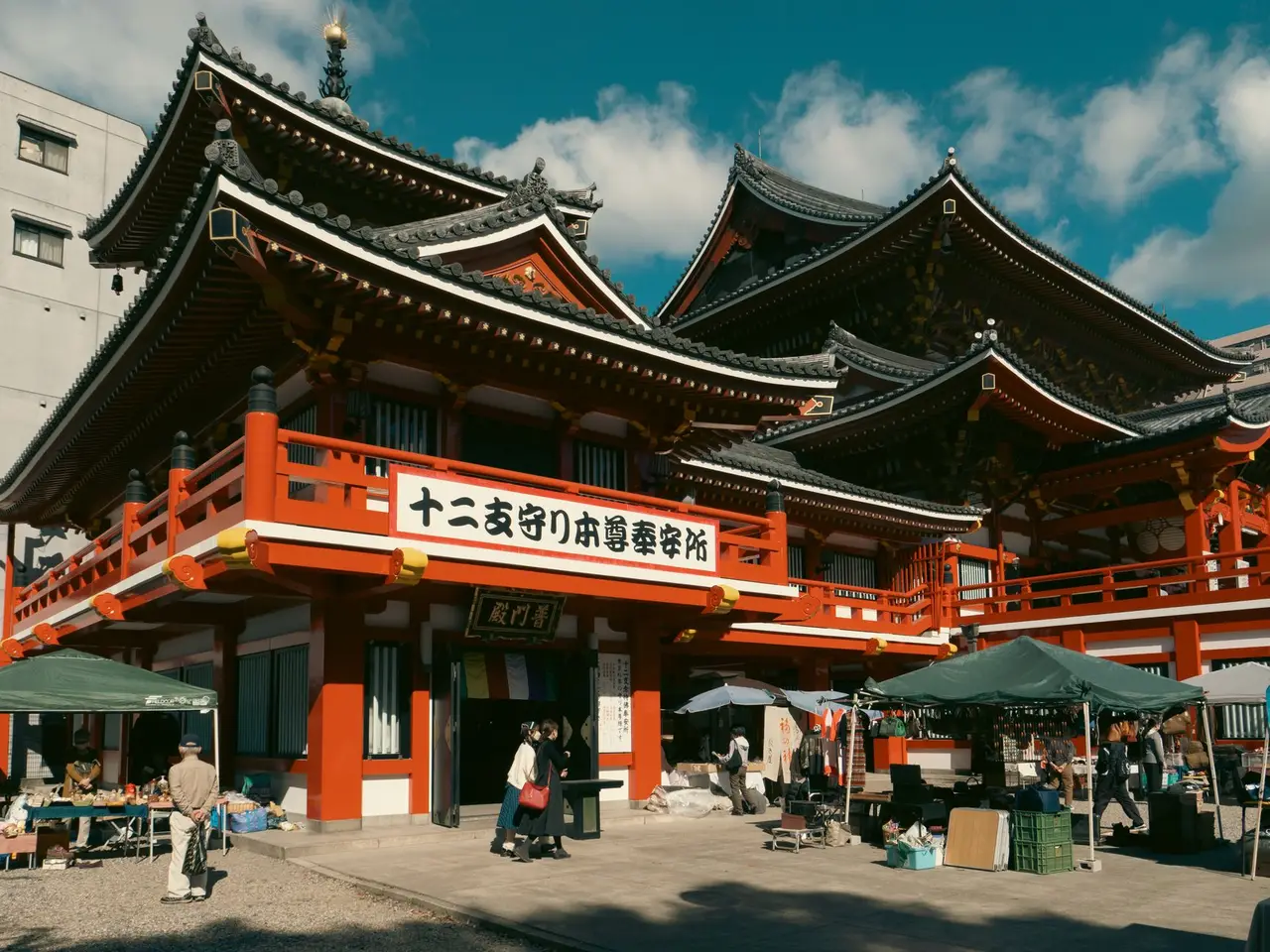
I also ate at a conveyor-belt sushi place where plates started around ¥140 each. That meal was not a life-changing sushi pilgrimage, and I didn’t need it to be. I was in and out in 25 minutes, spent about ¥1,200, and left happy enough to keep walking.
Worth it: yes, if you want speed and control over spending.
Skip if: you’re expecting a memorable dining experience.
My pick: conveyor-belt sushi for a quick, cheap dinner when I didn’t want to think.
The famous Nagoya foods I’d actually recommend, and the ones I’d leave alone
Nagoya has a few dishes that show up in every guide, and I tried enough of them to sort the useful from the overpraised. My honest take: miso-katsu is the most accessible, hitsumabushi is the most expensive but still worth one try, and kishimen noodles are the sleeper option if you want something light and local. Taiwan ramen, on the other hand, is more about spice than depth. I liked it once. I wouldn’t chase it.
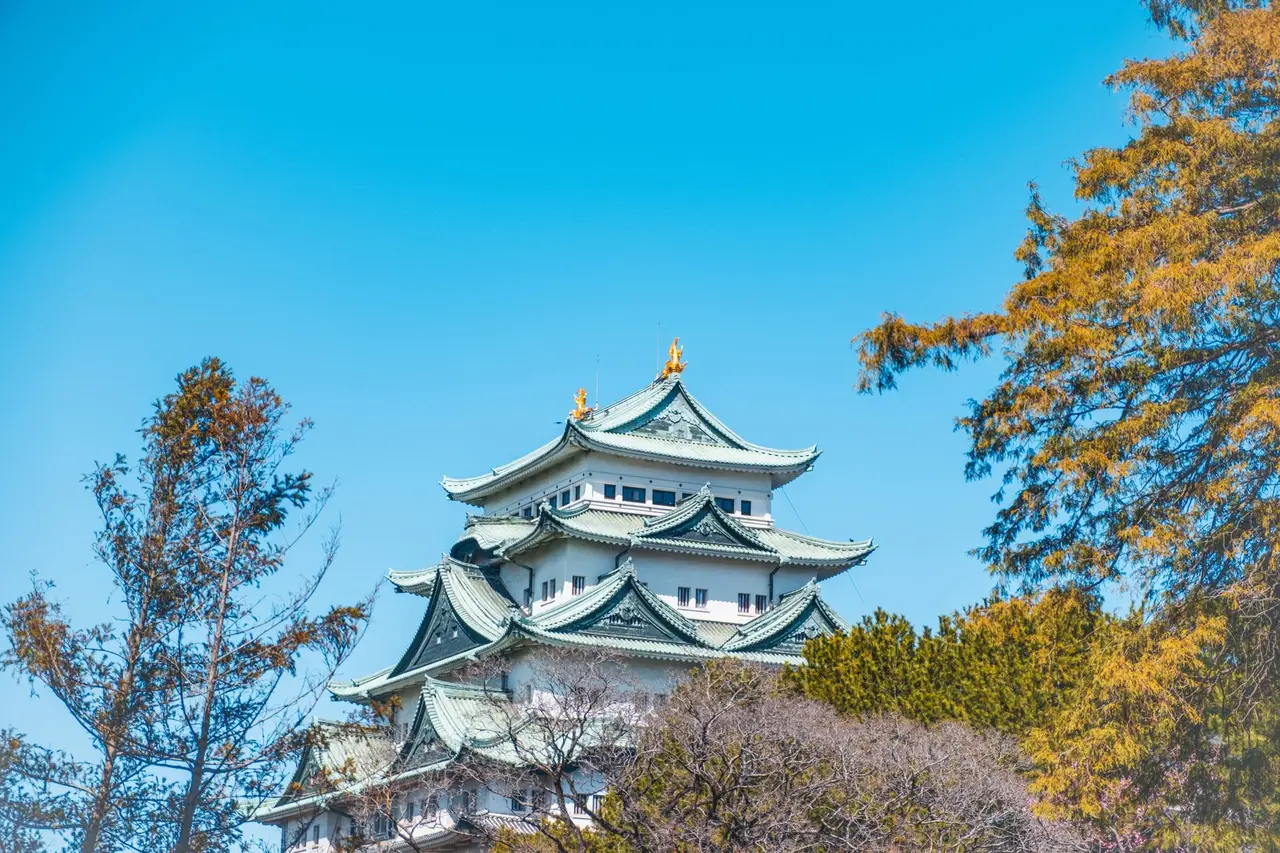
I paid ¥850 for kishimen at a casual noodle shop under the station, and that was one of the best value meals of the trip. The noodles are flat and soft, the broth is clean, and it doesn’t leave you feeling heavy. If I was arriving tired and hungry, that’s the dish I’d pick before anything else.
Best for: travelers who want a regional meal without spending all afternoon on it.
Skip if: you only want one big signature dish and nothing else.
My pick: kishimen for value, miso-katsu for comfort, hitsumabushi for one splurge.
Everyone recommends this, but…
Everyone recommends “famous eel” in Nagoya, but a lot of the places I saw were priced like they knew they were on a list. I’m not against paying for a signature dish. I just want the math to work. If the set is over ¥5,000 and the wait is longer than 30 minutes, I start thinking about what else I could eat in the city for the same money.
I expected the tourist-heavy spots to be the safest bet. A couple were fine, but they weren’t better enough to justify the hassle. The best food I had came from places where the lunch crowd looked local and nobody was trying to sell me the idea of authenticity.
Food Budget
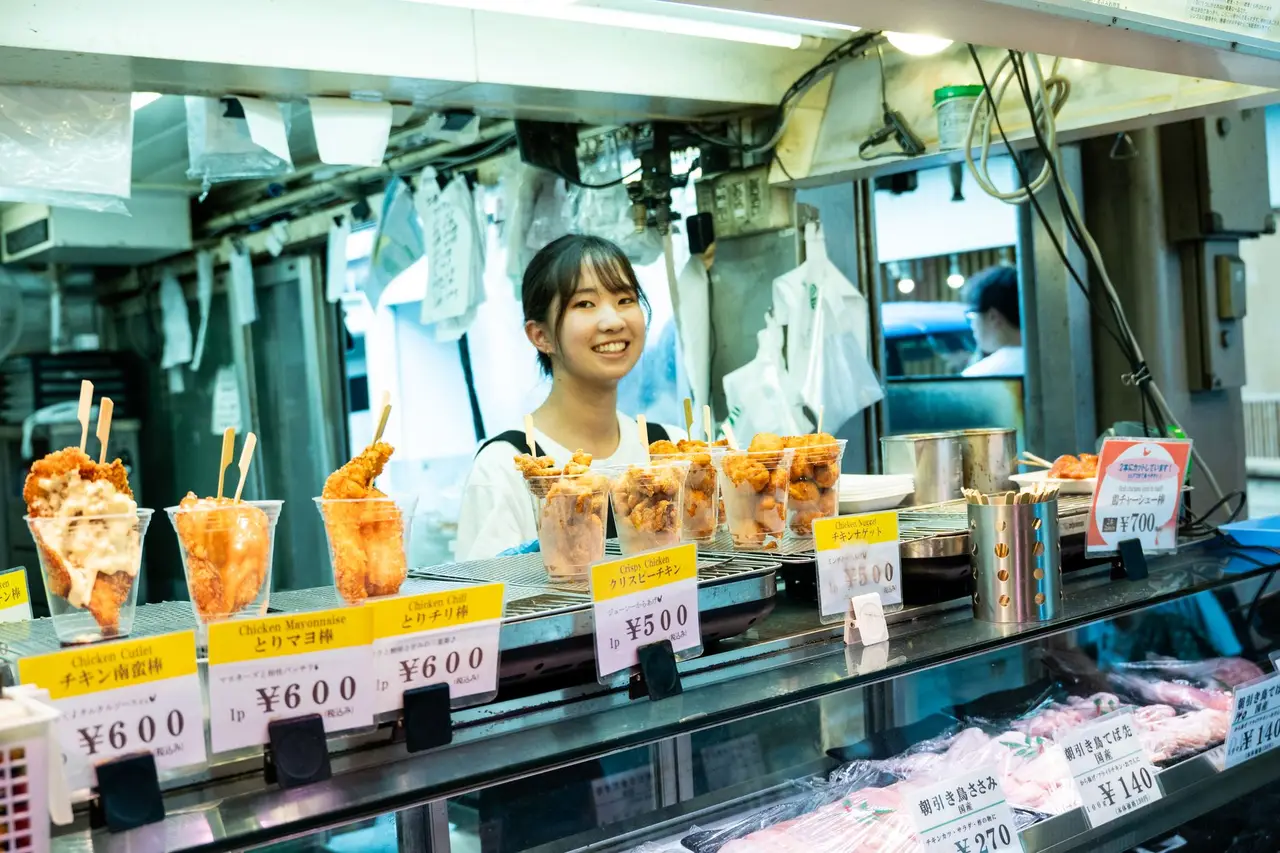
Rough per person per day estimates from my own meals.
I book food tours through Klook when I want a guided meal walk or a set tasting route, because the good slots go first and I hate wasting a night hunting around for one restaurant after another.
Osu and Sakae: where I’d snack, and where I’d stop
Osu is useful for snack grazing, but I wouldn’t build a whole food day around it. I bought taiyaki for ¥250 and a sweet potato snack for ¥300, then moved on because the area gets a little too souvenir-heavy for my taste. Good for a short stop. Not good for a serious meal plan.
Sakae was better for actual food because it had more practical choices and less “please photograph this” energy. I had yakitori skewers for about ¥180 each at a tiny counter place and a draft beer for ¥600 one evening. That was a nice low-key dinner, and it felt more local than the polished chain restaurants I passed on the main streets.
I’m not sure this is universal, but I found the best value in Nagoya after dark was usually the boring-looking place with a short menu. The shiny spots near the big intersections often had higher prices for the same food and a worse wait. I don’t love that math.
Worth it: Sakae for dinner, Osu for snacks only.
Skip if: you hate wandering between places to piece together a meal.
My pick: Sakae if you want one proper dinner, Osu if you just want a bite.
The one food mistake I made
I figured I’d wing dinner one night and just follow the crowds near Nagoya Station. That was the obvious move, and it went wrong fast. The first two places I tried had waits of 25 and 35 minutes, and I wasn’t in the mood to stand around in a humid station district after a long walking day.

I ended up paying ¥1,650 for a meal I only picked because I was tired and impatient, not because I actually wanted it. The food was okay. The problem was the time cost. I lost nearly an hour and missed the cheap noodle place I’d seen earlier, which would have been a better fit for that night.
Now I’d do it differently. I’d decide dinner before I got hungry, especially if I was near the station in the evening. Nagoya rewards a tiny bit of planning. If you don’t plan, you pay for it in either money or annoyance. Sometimes both.
Best for: travelers who don’t mind wandering and can wait out a line.
Skip if: you’re hungry, hot, and trying to keep the night simple.
My pick: choose the second-best place with no line.
I booked the food tour through Klook — way cheaper than booking at the counter.
FAQ
Is Nagoya cheap for food compared with Tokyo or Osaka?
Yes, Nagoya is cheaper for everyday meals than Tokyo, and I found it a little easier to eat well without planning every stop. A solid lunch set for ¥900-¥1,100 was normal for me, while the same kind of meal in Tokyo often drifted higher. If you keep your splurges to one meal, the city is very manageable on a budget.
What should I order first if I only have one meal there?
I’d order miso-katsu first, not eel. It’s cheaper, easier to find, and it gives you the strongest “this is Nagoya” flavor without committing to a ¥4,000-plus lunch. If you only eat one thing, I’d make it a set meal near Nagoya Station so you don’t waste time hunting.
Is hitsumabushi worth the price?
Yes, but only once if you’re paying attention to your budget. I spent ¥4,200 and thought the meal earned its reputation, though I also knew I was paying for the experience as much as the food. If your trip is short, I’d choose it over a second fancy meal and keep the rest of the day cheap.
Where did you find the best cheap food around the city?
The station basements and casual lunch spots around Nagoya Station were my best value stops. I got a curry plate for ¥780 and a kishimen bowl for ¥850, both fast and filling. I’d start there before wandering into the more polished parts of Sakae.
Do I need reservations for Nagoya restaurants?
No, not for most budget meals, and that’s part of why I liked eating here. I only saw real pressure at the more famous eel places and a few dinner spots after 7pm. If you want a specific hitsumabushi restaurant, I’d book ahead or go early; otherwise, walk-ins work fine.
 Emma Hayes