

I thought Nagoya hotel prices in 2026 would feel like a steal. They mostly did, but not everywhere and not for every kind of trip. I spent a few nights comparing station hotels, mid-range business places, and one cheaper option that looked smart online and felt annoying in person. My answer is simple: Nagoya is worth paying a little extra for the right location, especially if you’re doing a short trip or arriving late. It’s not the city where I’d chase the cheapest room and then lose half a day to train transfers.
Quick Answer: If I had one night in Nagoya, I’d book near Nagoya Station and expect around ¥10,000-¥13,000 for a clean, quiet room. Budget rooms can run around ¥6,500-¥8,500, but the best value comes from location, not fancy extras.
My quick verdict on Nagoya hotels
Nagoya hotel prices in 2026 felt fair, but only if I stopped chasing the cheapest number on the screen. I paid about ¥11,800 for a plain room near Nagoya Station on a rainy night, and that was the stay that made the whole city make sense. I got back soaked, walked in from the station in a few minutes, and didn’t have to negotiate with my suitcase or the weather. That mattered more than any free breakfast.
I booked through Agoda and saved about 15% compared to the hotel’s own site.
Where I’d Actually Stay in Nagoya
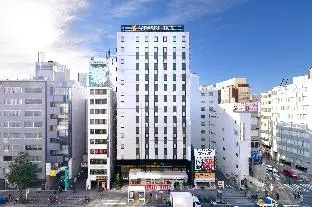
Vessel Inn Sakae Station
Nagoya
★★★★☆
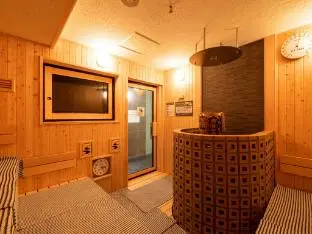
2025 Renewal Open – Anshin Oyado Nagoya Man / Woman Sakae Station
Nagoya
★★★★☆
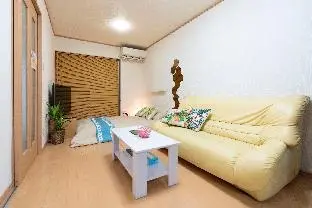
New OPEN Max 10 people Nagoya Station 2LDK
Nagoya
★★★★☆
If I were booking again, I’d still stay near Nagoya Station for one night and probably stay on the same rail line if I was there longer. The city is too transit-heavy to make a big deal out of saving ¥1,000 or ¥1,500 a night if it turns into a 15-minute walk with luggage. I tried the simple business-hotel style of stay, and it did the job. Clean room, quiet hallway, easy platform access. Nothing fancy, just the kind of setup that keeps a trip moving.
The cheaper rooms a few stops out can work, but only if you’re happy trading convenience for the rate. For me, the best value in Nagoya was location first, then the room itself. If you’re arriving late, traveling solo, or only have a short stay, I’d pay a bit more and stop thinking about logistics.
Nagoya Station: the boring choice that kept winning
I kept circling back to Nagoya Station because it solved the most annoying part of the trip: moving around with a bag in hot, humid weather. Outside, it was around 23-30°C and sticky enough that I was glad I’d packed a light tee and shorts instead of anything heavier. I wasn’t in the mood for a 15-minute uphill walk after dinner, and the station area made that problem disappear.
I compared one hotel five minutes from the station with another cheaper place that was technically “nearby” but required a longer walk through streets that felt less useful after dark. The cheaper one would’ve saved me about ¥1,500 a night. I passed because I knew I’d pay that back in taxi temptation, snack stops, and the general misery of dragging a bag in the rain. That math never works out.
Location consequence: you get easy JR, Meitetsu, and subway connections, so day trips and late arrivals are painless.
Sleep/noise reality: station-area business hotels were quiet enough for me, even with the city moving outside; I didn’t hear train noise once in my room.
Price-value judgment: worth it if you’re in Nagoya for 1-3 nights. Less exciting than a neighborhood stay, but the convenience pays you back every day.
Best for: solo travelers, short stays, business trips, and anyone using Nagoya as a base.
Skip if: you want late-night strolling and a stronger local feel outside the hotel door.
I did make one bad call here. I assumed a slightly cheaper hotel two blocks farther out would be no big deal because the map looked fine. The trigger was a rainy arrival at 9:40pm, when the walk turned into a slightly miserable stretch past closed storefronts and a crossing I had to wait at twice. The consequence wasn’t dramatic, but it was real: I spent about 20 extra minutes getting settled and paid ¥900 for water and a snack because I was too tired to go hunting for food. Next time I’d take the hotel that’s closer to the station even if it costs a bit more. For me, that extra money is cheaper than tiredness.
Sakae: better if you want food and a little more life
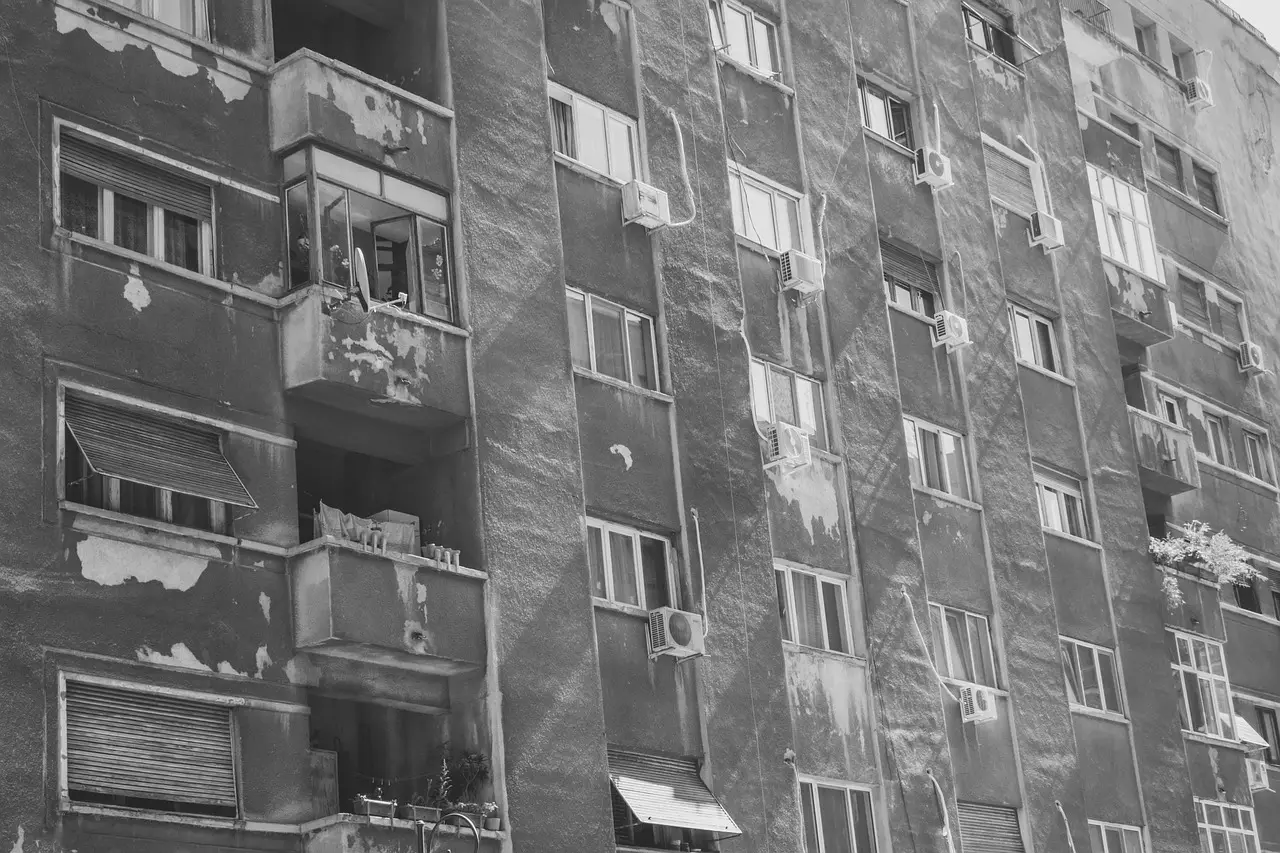
Sakae is the area I’d choose if I were staying longer and wanted easier access to restaurants, shopping, and a bit more evening energy. It’s not some magical neighborhood; it’s just more practical after dinner than a pure station base. I walked through after sunset and found it much easier to grab food without making a whole production out of it.
I stayed out there long enough to notice the tradeoff. Hotels can be similar in price to station options, sometimes a little cheaper, but you’re giving up the one thing that makes Nagoya easy: direct transit convenience. If I saved ¥2,000 a night in Sakae, I’d only call that a win if I was planning to spend most evenings in the area anyway. Otherwise, I’d rather stay by the station and not think about it.
Location consequence: better for food and nightlife than pure transit access, but you add a bit of friction getting in and out.
Sleep/noise reality: quieter side streets can sleep well, but busier blocks can pick up late-night foot traffic and delivery noise.
Price-value judgment: good value only if you’ll actually use the area. If not, it’s convenience you won’t cash in.
Best for: couples, longer stays, and travelers who care more about dinner options than train platforms.
Skip if: your plan is mostly day trips and early departures.
I expected Sakae to feel more local than it did. It was useful, sure, but also a bit more polished and commercial than I wanted. I’m not saying it’s bad. I’m saying it’s fine, not special, and I’d only book it again if the hotel rate was meaningfully lower than the station area.
Budget hotels in Nagoya: cheap, but not all cheap is smart
Nagoya’s budget hotels are where I saw the clearest gap between price and value. Some rooms were around ¥6,500-¥8,500 and looked like a good deal until I checked the walk, the nearest station, and the room size. One place I looked at would’ve saved me about $18 a night, but it also added a 12-minute walk from the station and felt like the kind of place where I’d be annoyed before I even unlocked the door.
I’ve stayed in enough business hotels to know the formula: tiny room, small desk, fast check-in, decent bed, and a bathroom that does the job. That’s fine. I don’t need charm in a budget room. But I do need a location that doesn’t punish me. A cheap hotel 15-20 minutes from the action isn’t cheap if I’m paying with time and extra rides.
Location consequence: the farther out you go, the more your “savings” disappear into transit and energy costs.
Sleep/noise reality: most budget business hotels are actually pretty quiet inside, but thin walls or hallway noise can show up depending on the building.
Price-value judgment: worth it only when the hotel is still close to a station. If it’s cheap and inconvenient, I’d skip it.
Best for: budget travelers, solo travelers, and anyone who just needs a clean crash pad.
Skip if: you hate compact rooms or you’ll be arriving late with luggage.
I booked one budget room because the photos looked decent and the rate was under ¥7,000. The mistake was the station distance. The walk itself wasn’t long on paper, but after a hot day and a sudden shower, it felt longer than it should have. I spent less on the room and more on convenience-store dinner because I couldn’t be bothered to trek back out. I’d rather pay another ¥1,000-¥2,000 and stay somewhere that saves me the hassle.
What hotel prices actually buy you in 2026

Here’s the part that matters most: in Nagoya, hotel prices usually buy location first, then room size, then a nicer lobby you’ll barely use. I paid around ¥10,000-¥13,000 for rooms that were clean, efficient, and easy to reach. Once I pushed lower, the tradeoff became obvious fast. The room got smaller, the walk got longer, or both.
If you’re comparing on Agoda, don’t just sort by price and stop there. I’d look at the station name, then the walking time, then the real review photos of the bathroom and bed layout. A room that’s ¥1,800 cheaper but adds 18 minutes of transit is usually not a bargain. It’s a slow leak.
Best for: travelers who value smooth logistics more than hotel perks.
Skip if: you want a room that feels spacious or social. Nagoya’s value hotels are practical, not glamorous.
My pick: spend on location, save on extras.
See all Nagoya hotels on Agoda and sort by station distance first, not just lowest nightly rate.
Sleep quality: the difference between quiet and annoying
For me, sleep in Nagoya came down to two things: how close the hotel was to a big station and whether the room faced the street or not. I slept fine in the station area because the windows were decent and the hallway noise was low. I did not sleep as well in the cheaper option farther out, mostly because I could hear more of the building and I was already mildly irritated about the walk. Funny how that works.
I’m not a light sleeper in a dramatic way, but I do notice when a room feels flimsy. In Nagoya, the better-value business hotels were quiet enough that I could open my laptop for half an hour, charge my phone, and still fall asleep without hearing the whole floor. That matters more than a rooftop or a bigger bed. I’d take a plain room with blackout curtains over a prettier room with bad soundproofing any day.
Worth it if: you’re picky about sleep and don’t want hotel noise to mess up an early train day.
Skip if: you need a social hotel atmosphere. These places are built for sleeping, not hanging out.
My pick: quiet, plain, close to transit. That’s the sweet spot.
The hotel I’d book again if I had to choose tonight
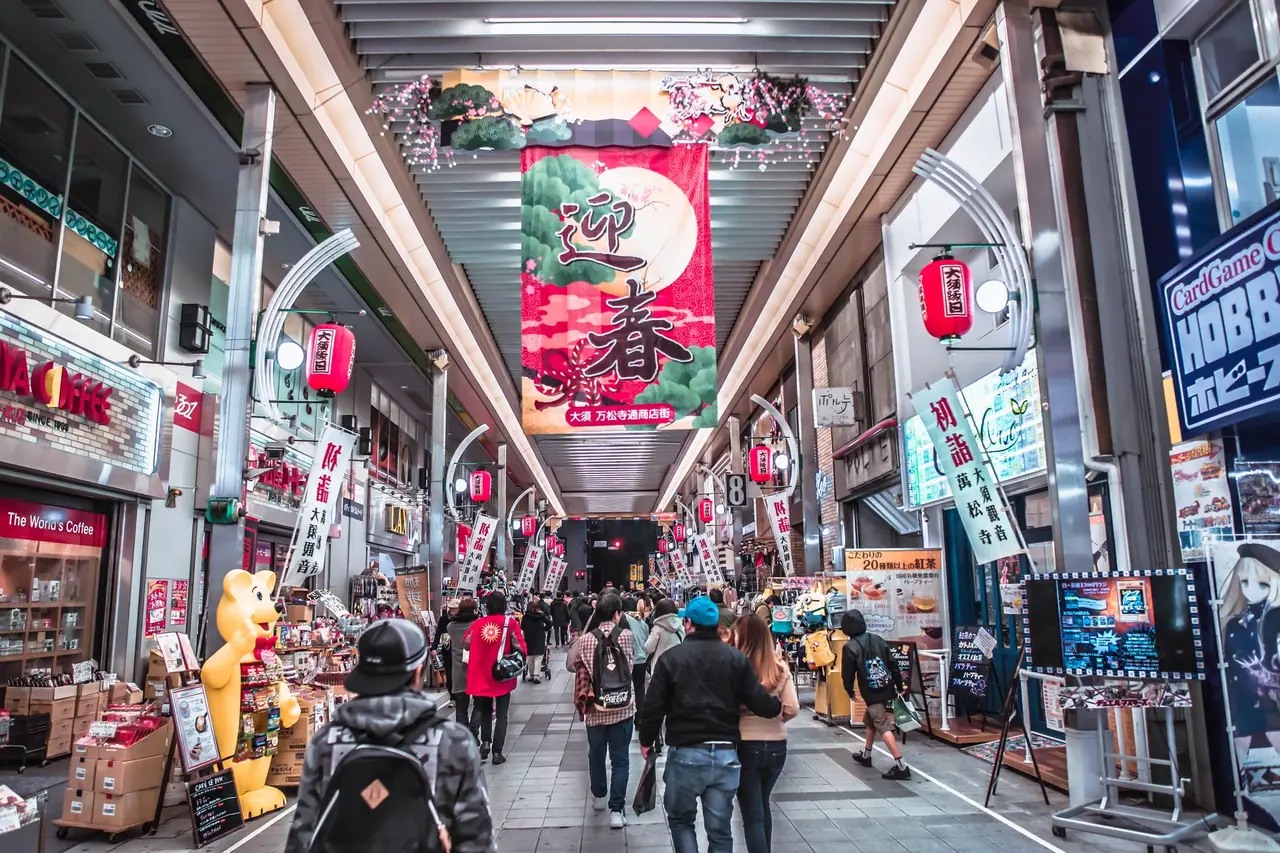
If I were booking again, I’d choose a mid-range hotel near Nagoya Station and pay around ¥10,000-¥13,000 before taxes if that rate held. I’d rather have a 5-8 minute walk to the platform than save a small amount and end up with a transfer or a longer exposed walk. The alternative — a cheaper room farther out — only wins if I’m staying four nights or more and planning to spend most of my time in one neighborhood.
I almost picked the cheaper option twice. Both times, the thing that stopped me was the same: I didn’t want to build my day around the hotel. That’s the tipping point for me. If a room makes me think about the commute before breakfast, I’ve already lost the value argument.
Best for: short trips, rainy days, late check-ins, and anyone who hates wasting time on transport.
Skip if: you’re trying to maximize atmosphere or nightlife right outside the door.
Next time: I’d book the station hotel earlier and stop trying to outsmart a ¥1,500 difference.
Rough daily estimates from my own trip. Prices shift by season.
What I’d do differently next time
I’d stop hunting for the cheapest room and start with the station map. That sounds obvious, but I still spent too much time comparing tiny price gaps that didn’t matter in the end. I’d also book earlier for a better room layout, because the last-minute options were more limited than I expected.
I’d probably skip the far-out bargain even if the photos looked fine. And I’d keep a little budget for convenience-store dinners and a backup umbrella, because Nagoya weather can flip from hot to damp fast and I don’t love arriving hungry and wet at the same time.
Hotel Cards
Nagoya Station area — I’d pay the ¥10,000-¥13,000 here if I was arriving late or leaving early, because dragging a suitcase through a quiet side street after 11pm is never as charming as it sounds.
Sakae — the same ¥10,000-¥13,000 can work here, but only if you want restaurants and bars on the doorstep; otherwise you’re just paying extra to walk past brighter signs.
Budget business hotel a few stops out — at ¥6,500-¥8,500, this is where Nagoya hotel prices 2026 start making sense, as long as you’re fine trading a better address for a room that does the basics and nothing more.
FAQ
Is it worth paying more to stay near Nagoya Station?
Yes, I’d pay more near Nagoya Station. The extra ¥1,000-¥2,500 a night usually buys you easier arrivals, faster day trips, and less time dragging luggage around. If your trip is short, that trade is worth it every time.
Are cheap hotels in Nagoya actually good value?
Sometimes, but only when they’re still close to a station. I’d skip a room that saves $15 but adds a long walk or a clunky transfer, because the convenience cost shows up fast. For me, cheap and central beats cheaper and awkward.
Which area felt better for eating out in the evening?
I’d pick Sakae for dinner and wandering after dark. The area gives you more easy food options without planning every meal around the station. If you care more about transit than atmosphere, stay by Nagoya Station and take the short ride over when you want it.
Did you sleep well in the station-area hotels?
Yes, I slept well in the station-area hotels I tried. The rooms were quiet enough, the windows held up fine, and hallway noise was low. I’d still avoid street-facing rooms if you’re sensitive to sound, just because that’s usually the easiest weak point.
What would you book for a one-night stopover?
I’d book the closest decent hotel to Nagoya Station and not overthink it. A one-night stopover is all about cutting friction, especially if you’re arriving late or leaving early. I’d rather spend ¥1,500 more than waste half an hour on a bad walk.
 Emma Hayes